


Off-roading is an exhilarating experience that allows enthusiasts to explore rugged terrains and enjoy the great outdoors. However, navigating through dark trails or unlit paths can be challenging without adequate lighting. LED light bars have become a popular solution for off-road vehicles, offering powerful illumination and enhanced visibility. When selecting the right LED light bar, several factors come into play. We will help guide you through the essential features and specifications to consider when choosing LED light bars for your off-road vehicle.
Understanding LED Light Bars
LED light bars are elongated lighting fixtures that utilize light-emitting diodes (LEDs) to provide bright illumination. They come in various sizes, shapes, and configurations, making them suitable for different vehicles and applications. The primary purpose of these light bars is to enhance visibility during nighttime driving or in low-light conditions, ensuring a safer and more enjoyable off-roading experience. Additionally, LED technology is known for its energy efficiency and longevity, which means that these light bars provide superior lighting and consume less power compared to traditional halogen lights. This efficiency translates into longer usage times and less frequent replacements, making them a practical choice for adventurers and everyday drivers.
Types of LED Light Bars
LED light bars can be categorized into several types based on their design and functionality. Understanding these types can help you select the most suitable option for your off-road vehicle. Each type offers unique advantages that cater to specific needs, whether you’re navigating through dense forests or cruising down open highways.
- Single Row Light Bars: These are compact and sleek, making them ideal for mounting on smaller vehicles or in tight spaces. Their low-profile design minimizes wind resistance, making them a popular choice for those who prioritize aerodynamics.
- Double Row Light Bars: Offering more LEDs and increased brightness, double row light bars are perfect for larger vehicles that require extensive illumination. They are particularly useful for off-road enthusiasts who tackle challenging terrains where visibility is paramount.
- Curved Light Bars: Designed to follow the contour of your vehicle, curved light bars provide a wider beam spread, enhancing visibility on both sides of the vehicle. This feature is especially beneficial for those who frequently drive in rugged environments, as it allows for better peripheral lighting, reducing blind spots.
Beam Patterns Explained
Another crucial aspect to consider is the beam pattern of the light bar. Different beam patterns serve various purposes, and understanding these can significantly enhance your driving experience:
- Spot Beam: This pattern focuses light into a narrow beam, providing long-range visibility. It is ideal for high-speed driving on open trails, allowing you to see obstacles from a distance and react accordingly.
- Flood Beam: Flood beams spread light over a wider area, making them suitable for close-range visibility and illuminating the surroundings. This is particularly useful when navigating tight trails or during camping trips where you need to light up your immediate area.
- Combo Beam: A combination of spot and flood beams, this pattern offers versatility, ensuring both long-range and close-range visibility. This makes it a favorite among off-roaders who want a comprehensive lighting solution that adapts to various driving conditions.
In addition to the beam patterns, many modern LED light bars come equipped with features such as adjustable mounting brackets, allowing users to customize the angle of illumination based on their specific needs. Some models even offer smart technology, enabling users to control brightness levels or switch between beam patterns with the touch of a button. This level of customization enhances functionality and contributes to a more personalized driving experience, making LED light bars an essential accessory for any vehicle enthusiast.
Key Features to Consider
When selecting an LED light bar for your off-road vehicle, several features can significantly impact performance and durability. Here are the key features to keep in mind:
Brightness and Lumens
The brightness of an LED light bar is measured in lumens. The higher the lumen rating, the brighter the light. For off-road applications, a light bar with at least 3,000 to 6,000 lumens is recommended to ensure adequate visibility in dark conditions. However, it’s essential to balance brightness with beam patterns to achieve the desired lighting effect. A wider beam pattern is ideal for illuminating the surrounding area, while a focused beam can enhance long-distance visibility, making it easier to navigate rugged terrains and obstacles.
Durability and Build Quality
Off-road environments can be harsh, so durability is a critical factor. Look for light bars constructed from high-quality materials, such as aluminum housings and polycarbonate lenses. Additionally, ensure the light bar is rated for water and dust resistance, typically indicated by an IP (Ingress Protection) rating. An IP67 rating, for example, means the light bar is dust-tight and can withstand immersion in water up to 1 meter for 30 minutes. Furthermore, consider light bars that undergo rigorous testing for shock resistance and vibration, as these features will ensure your lighting solution remains functional even on the bumpiest of trails.
Heat Management
LED lights generate heat during operation, which can affect their lifespan and performance. Effective heat management systems, such as built-in cooling fans or heat sinks, are essential for maintaining optimal operating temperatures. Check for light bars that feature these systems to ensure longevity and consistent brightness. Additionally, some advanced models incorporate thermal monitoring technology that automatically adjusts the light output based on temperature, preventing overheating and enhancing overall efficiency. This feature is particularly beneficial during extended use, such as on long night drives or during off-road competitions, where maintaining peak performance is crucial.
Installation Considerations
Installing an LED light bar can vary in complexity depending on the vehicle and the specific light bar model. Here are some installation considerations to keep in mind:
Mounting Options
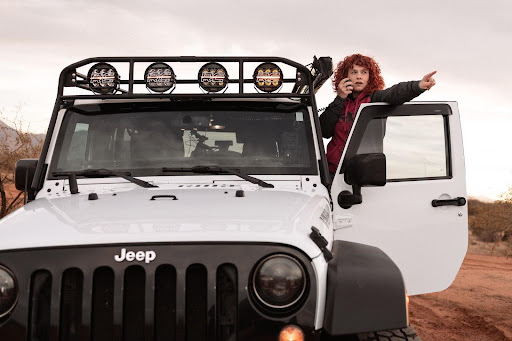
LED light bars can be mounted in various locations on an off-road vehicle, including the roof, bumper, or grille. The mounting options will depend on the design of the light bar and the vehicle’s configuration. Ensure the chosen mounting location provides adequate support and visibility without obstructing the driver’s view. Additionally, consider the aerodynamics of the vehicle; a roof-mounted light bar can create wind resistance that may affect fuel efficiency. It’s worth noting that some vehicles may require additional brackets or adapters to secure the light bar properly, which can add to the overall installation time and cost.
Wiring and Power Supply
Proper wiring is crucial for the safe operation of LED light bars. Most light bars come with wiring harnesses that include switches, fuses, and relays. It is vital to follow the manufacturer’s instructions for wiring to prevent electrical issues. Additionally, ensure the vehicle’s electrical system can handle the power requirements of the light bar. It may be beneficial to upgrade the vehicle’s battery or alternator if the light bar draws significant power, as this will help maintain consistent performance. Furthermore, consider using weatherproof connectors and heat-shrink tubing to protect the wiring from moisture and dirt, which can be especially important for off-road applications.
Professional Installation vs. DIY
While some off-road enthusiasts may opt for DIY installation, others may prefer professional assistance. If you are not comfortable with electrical work or if the installation requires modifications to the vehicle, seeking professional help can ensure proper installation and avoid potential issues. Professional installers often have access to specialized tools and experience that can make the process smoother and more efficient. Additionally, they can provide valuable advice on the best light bar options for your specific needs and how to integrate them seamlessly with the vehicle’s existing systems. However, for those who enjoy hands-on projects, DIY installation can be a rewarding experience that enhances your understanding of your vehicle and its capabilities.
Legal Considerations
Before installing an LED light bar, it is essential to understand the legal regulations regarding off-road lighting in your area. Some jurisdictions have specific laws governing the use of auxiliary lights, including brightness limits and mounting heights. Familiarizing yourself with these regulations can help you avoid fines and ensure safe operation on public roads.
Road Use Regulations
Many regions have restrictions on the use of high-intensity lights on public roads. It is crucial to ensure your LED light bar is compliant with local laws when driving on highways or streets. Some light bars may need to be turned off or covered when driving in these areas. Additionally, certain states may require specific certifications for the lights you install, so checking with local authorities or vehicle regulations can save you from potential legal issues down the line. Ignoring these regulations puts you at risk for fines and could lead to accidents if your lights distract or blind other drivers.
Off-Road Use Guidelines
When using LED light bars exclusively for off-road activities, ensure they are aimed correctly to avoid blinding other drivers or wildlife. Properly adjusted lights can enhance safety for everyone on the trail. Furthermore, it’s advisable to consider the environmental impact of your lighting choices. Some areas may have restrictions on the use of bright lights to protect nocturnal wildlife and preserve the natural ambiance of the surroundings. Being mindful of these factors promotes responsible off-roading and contributes to the conservation of local ecosystems. Additionally, joining off-road clubs or forums can provide valuable insights into best practices and local regulations, helping you stay informed and compliant while enjoying your outdoor adventures.
Cost vs. Quality
Investing in a high-quality LED light bar can significantly enhance your off-roading experience. However, it is essential to strike a balance between cost and quality. Cheaper options may save money upfront, but they could compromise performance and durability in the long run. A well-constructed light bar provides superior brightness and withstands the rigors of off-road conditions, including mud, water, and vibrations from rough terrain.
Budget Considerations
Setting a budget for your LED light bar purchase is a wise decision. Prices can vary widely based on brand, size, and features. Determine what features are most important to you and find a light bar that meets those needs within your budget. For instance, consider whether you need a light bar with adjustable brightness settings or one that offers a wide beam angle for better visibility. Additionally, keep in mind the cost of installation, as some models may require professional help, adding to your overall expenditure.
Long-Term Investment
Consider the long-term benefits of investing in a quality LED light bar. A durable, high-performing light bar will provide better illumination, require fewer replacements, and ultimately save you money over time. Look for warranties and customer reviews to gauge the reliability of a product. Furthermore, high-quality light bars often come equipped with advanced features such as heat dissipation technology, which prevents overheating and extends the lifespan of the LEDs. This can be particularly beneficial during extended night rides or in challenging weather conditions, where consistent performance is essential for safety and navigation.
Moreover, investing in a reputable brand can provide peace of mind. Many manufacturers offer customer support and resources that can help you troubleshoot any issues or provide guidance on installation. This level of service can be invaluable, especially for first-time buyers who may have questions about compatibility with their vehicle or the best practices for mounting and usage. In the end, the right LED light bar can transform your off-roading adventures, making them safer and more enjoyable while ensuring your investment pays off in the long run.
Maintenance and Care
Proper maintenance of your LED light bar can extend its lifespan and ensure optimal performance. Here are some tips for keeping your light bar in excellent condition:
Regular Cleaning
Dust, dirt, and debris can accumulate on the surface of the light bar, reducing its effectiveness. Regularly clean the lenses with a soft cloth and mild soap to maintain clarity and brightness.
Checking Connections
Periodically inspect the wiring and connections to ensure they are secure and free from corrosion. Loose or damaged connections can lead to malfunction or failure of the light bar.
Storage Considerations
If the light bar is removable, store it in a cool, dry place when not in use. Avoid exposing it to extreme temperatures or moisture, which can affect its performance.
Lighting That Leads
Selecting the right LED light bar for off-road vehicles involves careful consideration of various factors, including brightness, durability, installation options, and legal regulations. By understanding the different types of light bars and their features, enthusiasts can make informed decisions that enhance their off-roading experiences. Investing in a quality LED light bar improves visibility and ensures safety and enjoyment on the trails. With the right knowledge and preparation, off-road adventures can be both thrilling and secure.
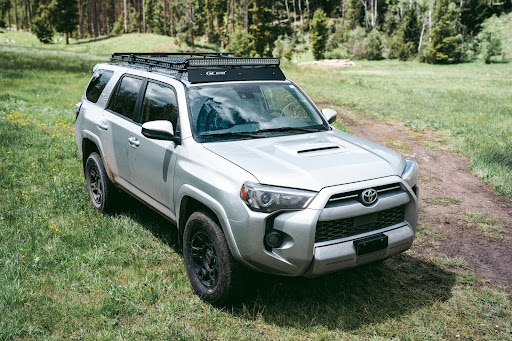
Need reliable gear for your off-road setup? GOBI Racks has what you need—roof racks, gear bags, LED light bars, and more, all built to enhance your vehicle’s capability and style. Check out the Ranger Rack, featuring a four-place light bar for off-road lights positioned between upper and lower rack tubing, and two independent rear light bars. Equip your ride for the next trail—order yours today!