




When it comes to vehicle safety and utility, side rails often do not receive the attention they deserve. These components can significantly enhance the functionality and safety of your vehicle, particularly for those who frequently transport cargo or engage in outdoor activities. Together, we will learn about the importance of side rails, their benefits, and whether or not they are a necessary addition to your vehicle.
Understanding Side Rails
Side rails, also known as roof rails or cross rails, are typically mounted on the roof of a vehicle. They serve as a framework that allows for the secure attachment of various accessories, such as cargo carriers, bike racks, and roof boxes. While they are commonly found on SUVs and crossovers, many sedans and trucks can also be equipped with them. The versatility of side rails makes them an essential feature for outdoor enthusiasts, travelers, and anyone needing extra storage space for their gear.
In addition to their practical uses, side rails can enhance the aesthetic appeal of a vehicle. Many manufacturers design them to complement the car’s overall look, adding a sporty or rugged flair. This can be particularly appealing for those who want their vehicle to reflect an adventurous lifestyle, making side rails a functional and stylish accessory.
Types of Side Rails
There are several types of side rails available, each designed to cater to different needs and vehicle types:
- Factory-Installed Side Rails: These are built into the vehicle’s design and are often included in higher trim levels. They are engineered to fit seamlessly with the vehicle’s structure, ensuring optimal strength and stability.
- Aftermarket Side Rails: These can be added to vehicles that do not come with them, providing flexibility for customization. Aftermarket options often come in various styles and finishes, allowing owners to choose a look that best suits their vehicle.
- Adjustable Side Rails: Some models allow for adjustments in height or width, accommodating various cargo sizes. This adaptability makes them particularly useful for those who frequently transport different types of gear, from kayaks to luggage.
Materials Used in Side Rails
Side rails are typically constructed from durable materials to withstand the rigors of outdoor use. Common materials include:
- Aluminum: Lightweight and resistant to corrosion, aluminum side rails are a popular choice for many vehicles. Their lightweight nature helps improve fuel efficiency while still providing the strength needed for carrying loads.
- Steel: Known for its strength and durability, steel side rails can handle heavier loads but may add extra weight to the vehicle. They are often coated to prevent rust and can be a great option for those who need to haul substantial cargo.
- Plastic or Composite Materials: These options are often used for their lightweight properties and resistance to rust. They can be molded into various shapes and designs, offering a modern look while still being functional.
In addition to the materials used, the installation process of side rails can vary significantly. Some side rails come with a straightforward installation kit that allows vehicle owners to mount them without professional help, while others may require specialized tools and expertise. It’s essential to consider the installation requirements when purchasing side rails, especially for those who prefer a DIY approach. Proper installation is crucial to ensure the side rails can safely support the weight of any accessories and cargo attached to them.
Furthermore, the maintenance of side rails is an important aspect to consider. Regular cleaning and inspection can help prevent rust and wear, especially for those who frequently use their vehicles in harsh weather conditions or off-road environments. Keeping the side rails in good condition extends their lifespan and ensures they continue to perform effectively, providing peace of mind while traveling with extra gear.
The Benefits of Side Rails
Side rails offer a multitude of benefits that enhance a vehicle’s functionality and safety. Understanding these advantages can help vehicle owners make informed decisions about their use.
Increased Cargo Capacity
One of the primary advantages of side rails is their ability to increase a vehicle’s cargo capacity. With the addition of roof-mounted accessories, drivers can transport larger items that would otherwise not fit inside the vehicle. This is particularly beneficial for:
- Outdoor enthusiasts transporting kayaks, bikes, or camping gear.
- Families needing extra space for luggage during road trips.
- Contractors or tradespeople carrying tools and equipment.
Additionally, side rails can accommodate various accessories such as cargo baskets, ski racks, or roof boxes, which further enhance their utility. For instance, a cargo basket can be an ideal solution for transporting bulky items like coolers or camping gear, while a ski rack can securely hold multiple pairs of skis or snowboards, making winter sports trips much more convenient. This versatility allows vehicle owners to customize their cargo solutions based on specific needs and activities, ensuring they are always prepared for their adventures.
Enhanced Safety Features
Side rails also contribute to vehicle safety in several ways. They provide a secure attachment point for cargo, reducing the risk of items shifting or falling during transit. This is crucial for:
- Preventing accidents caused by unsecured loads.
- Ensuring cargo remains stable, especially during sharp turns or sudden stops.
Moreover, many side rails are designed to withstand significant weight, ensuring they can support heavy loads without compromising the vehicle’s structural integrity. In addition to their strength, some side rails come equipped with features such as tie-down points or integrated safety straps, which further enhance cargo security. This attention to detail protects the driver, passengers, and other road users, creating a safer driving environment for everyone.
 Aesthetic Appeal
Beyond functionality, side rails can enhance the aesthetic appeal of a vehicle. Many modern vehicles are designed with sleek, stylish side rails that complement their overall look. This can be particularly important for:
- Individuals looking to personalize their vehicles.
- Those who want to maintain a certain image or brand identity.
The design of side rails has evolved significantly, with options ranging from rugged, off-road styles to more streamlined, urban aesthetics. This variety allows vehicle owners to select side rails that serve a practical purpose and reflect their personal style. Furthermore, the addition of side rails can increase the vehicle’s resale value, as they are often seen as a desirable feature for potential buyers who appreciate both function and form.
Do You Need Side Rails on Your Vehicle?
The decision to install side rails on a vehicle ultimately depends on individual needs and usage patterns. Several factors can help determine whether side rails are a necessary addition:
Assessing Your Lifestyle
Consider your lifestyle and how you typically use your vehicle. If you frequently engage in outdoor activities or transport large items, side rails may be a worthwhile investment. For example:
- Adventure enthusiasts who regularly go hiking, biking, or kayaking may find side rails essential for transporting gear.
- Families who often travel long distances may appreciate the extra cargo space for luggage and supplies.
Moreover, if you have pets that accompany you on your travels, side rails can provide a secure area for pet carriers or crates, ensuring safety and comfort during your journeys. Additionally, for those who enjoy road trips or camping, side rails can facilitate the attachment of roof boxes or bike racks, maximizing your vehicle’s storage capabilities and allowing for a more organized travel experience.
Vehicle Type and Design
The type of vehicle you own can influence the necessity of side rails. Larger vehicles like SUVs and trucks are often designed to accommodate side rails, making them a practical choice. Conversely, smaller sedans may not require them unless specific needs arise.
It’s important to consider the aesthetic aspect of side rails. Many modern vehicles come with sleek, integrated designs that enhance their overall look while providing functionality. For those who prioritize style alongside utility, selecting the right side rails can complement the vehicle’s design, offering a balance between form and function. Additionally, certain models may offer customizable options, allowing you to choose colors and finishes that match your vehicle’s exterior.
Cost Considerations
While side rails can enhance functionality, they also come with a cost. Vehicle owners should weigh the potential benefits against the financial investment. Some considerations include:
- The initial cost of purchasing and installing side rails.
- Potential savings from avoiding rental fees for additional transportation options.
- Increased resale value of the vehicle, especially if side rails are factory-installed.
Furthermore, it’s wise to factor in the long-term benefits of side rails. For instance, if you frequently transport items that could damage your vehicle’s interior, side rails can help keep your cargo secure and prevent wear and tear. This preserves the condition of your vehicle and can save you money on repairs and maintenance in the long run. Additionally, many side rails come with warranties, providing peace of mind regarding their durability and performance over time.
Installation and Maintenance of Side Rails
Once the decision is made to install side rails, understanding the installation and maintenance process is essential for maximizing their benefits.
Installation Process
The installation of side rails can vary depending on the type and model. Here are general steps to follow:
- Gather Necessary Tools: Basic tools such as a wrench, screwdriver, and measuring tape are typically required.
- Read the Instructions: Always refer to the manufacturer’s instructions for specific installation guidelines.
- Position the Rails: Align the side rails with the designated mounting points on the vehicle’s roof.
- Secure the Rails: Use bolts or clamps to fasten the rails securely, ensuring they are stable and properly positioned.
Before beginning the installation, it’s wise to check the weather conditions. Ideally, choose a dry day to avoid complications with moisture that could affect the adhesive or sealants used during the installation. Additionally, having a second pair of hands can be invaluable, especially when positioning the rails or holding them in place while securing the fastenings. This makes the process smoother and ensures the rails are mounted accurately and evenly, which is crucial for their performance and safety.
Maintenance Tips
To ensure the longevity and effectiveness of side rails, regular maintenance is crucial. Consider the following tips:
- Regular Inspections: Periodically check for any signs of wear, rust, or damage.
- Cleaning: Keep the side rails clean to prevent dirt and debris buildup, which can lead to corrosion.
- Secure Fastenings: Ensure all bolts and clamps remain tight to prevent any movement during transit.
In addition to these maintenance tips, it’s beneficial to apply a protective coating or rust inhibitor, especially if you live in an area with harsh weather conditions or road salt exposure. This extra layer of protection can significantly extend the life of your side rails. Furthermore, if you frequently carry heavy loads, consider checking the weight capacity of the rails and the vehicle’s roof to avoid overloading, which can lead to structural damage or failure. Keeping a maintenance log can help track inspections and any repairs made, ensuring you stay proactive about the upkeep of your side rails.
Side Rails vs. Other Cargo Solutions
While side rails are a popular choice for increasing cargo capacity, they are not the only option available. Understanding the differences between side rails and other cargo solutions can help vehicle owners make informed decisions.
Roof Racks
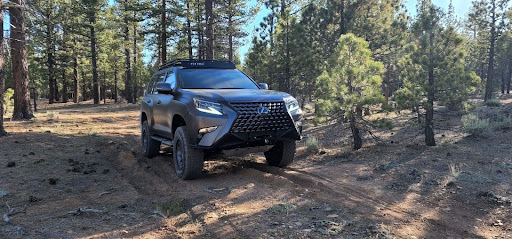
Roof racks are often confused with side rails, but they serve different purposes. Roof racks are typically more versatile and can be used to carry various types of cargo, including bikes, skis, and luggage. Key differences include:
- Flexibility: Roof racks can often be adjusted or removed, while side rails are usually permanent fixtures.
- Weight Capacity: Roof racks often have a higher weight capacity, making them suitable for heavier items.
Hitches and Tow Bars
Hitches and tow bars can be an excellent alternative for those who require even more cargo capacity. These options allow for the towing of trailers, boats, or additional cargo carriers. Considerations include:
- Usage: Hitches are ideal for those who frequently transport large trailers or equipment.
- Installation: Installing a hitch may require professional assistance, adding to the overall cost.
Interior Cargo Solutions
For some vehicle owners, interior cargo solutions such as cargo nets, dividers, and organizers may suffice. These options are particularly useful for:
- Individuals who do not require external cargo solutions.
- Those who prioritize maximizing interior space over roof-mounted options.
Form Meets Function
In summary, side rails are an important consideration for vehicle owners who frequently transport cargo or engage in outdoor activities. They provide increased cargo capacity, enhance safety, and can improve a vehicle’s aesthetic appeal. However, the decision to install side rails should be based on individual needs, vehicle type, and budget considerations. By understanding the benefits and alternatives available, vehicle owners can make informed decisions that best suit their lifestyle.
Thinking about expanding your vehicle’s cargo capacity? GOBI Racks offers a range of accessories—roof racks, ladders, gear bags, and more—to enhance both function and style. The Ranger Rack is a standout option, featuring a no-drill install, two adjustable and removable crossbars, a rear ladder, and a wind deflector. It is also designed with style and durability to maintain a safe driving max load capacity of 300 lbs. The perfect complement to side rails for maximizing utility. Order yours today and get adventure-ready!