




Transporting a ladder on a roof rack can be daunting, especially for those who are new to it. Ensuring the ladder is mounted and secured properly is crucial for safety and efficiency. We will help guide you through the steps necessary to mount and secure a ladder on a roof rack effectively.
Understanding Your Roof Rack System
Before attempting to mount a ladder, it is essential to understand the type of roof rack system you have. Roof racks come in various designs, and knowing the specifics of your system will help you choose the best mounting method.
Types of Roof Racks
Roof racks can generally be categorized into two types: factory-installed and aftermarket. Factory-installed racks are built into the vehicle’s design, while aftermarket racks are additional systems that can be purchased separately.
- Factory-Installed Racks: These are typically designed to fit specific vehicles and may come with integrated mounting points.
- Aftermarket Racks: These offer more versatility and can be adjusted to fit various vehicles, but may require additional installation steps.
Weight Capacity
Each roof rack has a weight limit, which is crucial to consider when transporting a ladder. Exceeding this limit can lead to dangerous situations, including damage to the vehicle or loss of control while driving.
Check the manufacturer’s specifications for your roof rack to ensure it can handle the weight of the ladder, along with any additional equipment you may be carrying. It’s also worth noting that the weight capacity can vary based on the distribution of weight across the rack; for instance, placing heavier items at the center can help maintain balance and stability.
Additionally, understanding the dynamic and static weight limits is important. The static weight limit refers to the maximum load when the vehicle is stationary, while the dynamic limit is applicable when the vehicle is in motion. This distinction is particularly relevant if you plan to drive on uneven terrain or at higher speeds, as the shifting weight can affect the overall handling of the vehicle.
Choosing the Right Ladder
Not all ladders are created equal, and selecting the right ladder for your needs is vital. The type of ladder you choose will affect how you mount it and the overall safety of the transport. Understanding the specific requirements of your project can guide you in making the best choice, ensuring you complete your tasks efficiently and maintain safety throughout the process.
Types of Ladders
Common types of ladders include step ladders, extension ladders, and multi-purpose ladders. Each type has its own advantages and disadvantages:
- Step Ladders: Best for short tasks and easy to handle, but may not be suitable for roof rack transport due to their bulk. They are often equipped with a wide base for stability and can include features like tool trays for convenience while working.
- Extension Ladders: Ideal for reaching high places, these ladders can be more cumbersome to secure but are often lighter. They typically extend to significant heights, making them perfect for tasks such as painting or cleaning gutters, but require careful handling to ensure they are properly locked in place before use.
- Multi-Purpose Ladders: Versatile and adjustable, these ladders can be used in various configurations but may require additional securing methods. Their adaptability allows for use in tight spaces or as scaffolding, making them a favorite among professionals who need flexibility on the job.
Material Considerations
Ladders are typically made from aluminum, fiberglass, or wood. Aluminum ladders are lightweight and rust-resistant, making them a popular choice for roof transport. They are also easy to maneuver, which is essential when working in elevated positions. Fiberglass ladders are more robust and can handle heavier loads, but they are bulkier. They are ideal for electrical work due to their non-conductive properties, providing an extra layer of safety when working near power lines. Wooden ladders, while sturdy, can be cumbersome and are less common for roof rack transport. However, they are often favored for their aesthetic appeal and traditional craftsmanship, making them a choice for certain vintage or restoration projects.
When selecting a ladder, it’s important to consider the weight rating, which indicates the maximum load capacity. This rating varies across different types and materials, so it’s crucial to choose one that meets your needs and provides a safety margin. Additionally, features such as rubberized feet for grip, locking mechanisms for stability, and lightweight designs for easy transport can significantly enhance your ladder’s usability and safety. Investing in a high-quality ladder tailored to your specific tasks can make a world of difference in your efficiency and safety on the job.
Preparing the Ladder for Transport
Once you have chosen the right ladder, it’s time to prepare it for transport. Proper preparation can prevent damage to the ladder and ensure safety during transit.
Inspecting the Ladder
Before mounting, inspect the ladder for any signs of damage or wear. Check for:
- Cracks or splits in the rungs or side rails
- Loose or missing hardware
- Rust or corrosion, particularly in aluminum ladders
Address any issues before proceeding to mount the ladder, as a damaged ladder can pose significant safety risks. Additionally, it’s wise to familiarize yourself with the ladder’s weight capacity and ensure it is suitable for the intended use. This will enhance safety and improve the efficiency of your work. If you notice any issues that require repair, consider consulting the manufacturer’s guidelines or a professional to ensure the ladder is restored to a safe condition.
Cleaning the Ladder
Cleaning the ladder before transport is essential to prevent dirt and debris from scratching your vehicle or roof rack. Use a damp cloth to wipe down the rungs and side rails, ensuring it is free from any loose materials. Pay special attention to the feet of the ladder, as dirt accumulation can affect stability when the ladder is in use. If your ladder has any sticky residues or stubborn grime, a mild detergent can be used to ensure a thorough clean. After cleaning, allow the ladder to dry completely to prevent moisture from causing rust or corrosion during transport.
Furthermore, consider applying a protective coating or rust inhibitor to metal ladders, especially if they will be exposed to harsh weather conditions during transit. This extra step can significantly prolong the lifespan of your ladder and maintain its structural integrity. Regular maintenance and cleaning enhance safety and ensure your ladder remains in peak condition for all your projects, making it a reliable tool for years to come.
Mounting the Ladder on the Roof Rack
With the ladder prepared, the next step is to mount it onto the roof rack. This process can vary depending on the type of roof rack and ladder being used.
Aligning the Ladder
Position the ladder on the roof rack, ensuring it is centered and aligned properly. The ladder should extend beyond the front and rear of the vehicle equally to maintain balance.
For extension ladders, it is often recommended to place the ladder with the rungs facing up. This orientation minimizes wind resistance and helps secure the ladder more effectively. Additionally, it allows for easier access to the rungs when you need to retrieve or adjust the ladder after reaching your destination.
Using Ladder Mounts and Straps
To secure the ladder, use appropriate ladder mounts and straps. Ladder mounts can be fixed to the roof rack, providing a stable base for the ladder. Straps should be high-quality and rated for the weight of the ladder.
- Ratchet Straps: These provide a tight and secure hold, preventing the ladder from shifting during transport.
- Cam Buckle Straps: Easier to use and adjust, these are suitable for lighter ladders and quick jobs.
Before hitting the road, double-check that all straps are tightened securely and that the ladder is firmly in place. A good practice is to give the ladder a gentle shake to ensure it doesn’t move. If you’re traveling a long distance or at high speeds, consider stopping periodically to inspect the ladder and straps, as vibrations can sometimes loosen them over time.
Moreover, it’s wise to familiarize yourself with local regulations regarding transporting ladders on vehicles. Some areas may have specific guidelines on how far a ladder can extend beyond the vehicle’s rear or how it should be marked for visibility. Adhering to these regulations keeps you compliant and enhances safety for you and other road users.
Securing the Ladder
Once the ladder is aligned and mounted, it is crucial to secure it properly to prevent movement while driving. A well-secured ladder reduces the risk of accidents and damage. Proper securing protects the ladder itself and ensures the safety of other road users, as a loose ladder can become a projectile in the event of sudden stops or sharp turns.
Strapping Techniques
When using straps, it is important to employ the right techniques to ensure maximum security:
- Crossing Straps: For added stability, cross the straps over the ladder. This method prevents lateral movement.
- Wrap Around: Wrap the strap around the ladder and the roof rack, ensuring a tight fit without damaging the ladder.
Always double-check the tightness of the straps before hitting the road. A loose strap can lead to dangerous situations, including the ladder falling off while driving. Additionally, consider using ratchet straps for enhanced security, as they provide a more secure hold compared to standard tie-downs. Ratchet straps allow for easy tightening and can accommodate various ladder sizes, making them a versatile choice for any vehicle.
Using Additional Safety Measures
Consider using additional safety measures such as:
- Safety Flags: Attach a brightly colored flag to the end of the ladder that extends beyond the vehicle. This alerts other drivers to the extended load.
- Reflective Tape: Applying reflective tape to the ladder can improve visibility, especially during low-light conditions.
Moreover, it’s advisable to regularly inspect both the ladder and the securing equipment for any signs of wear and tear. Frayed straps or damaged reflective tape can compromise safety and should be replaced immediately. Additionally, familiarize yourself with local regulations regarding transporting ladders, as some areas may have specific requirements for securing loads on vehicles, including the use of safety lights or additional signage for oversized items.

Driving with a Ladder on the Roof Rack
Once the ladder is securely mounted, it is essential to drive carefully. The added height and weight can affect the vehicle’s handling and stability. Furthermore, it’s important to be aware of your surroundings, as the ladder can obstruct your view and pose a hazard to other drivers if not properly secured.
Adjusting Driving Habits
When driving with a ladder on the roof rack, consider the following adjustments to your driving habits:
- Reduce Speed: Driving at a lower speed can help maintain control and reduce wind resistance. This is particularly crucial when navigating through windy areas or on highways where gusts can unexpectedly sway the ladder.
- Avoid Sudden Movements: Make gradual turns and avoid sudden stops to prevent the ladder from shifting. Sudden maneuvers can destabilize the ladder and can lead to a loss of control over the vehicle.
- Increase Following Distance: Allow for more space between your vehicle and the one in front of you to accommodate any sudden stops. This extra distance can provide you with the necessary reaction time to adjust your speed safely.
Regular Checks During Transit
During long trips, it is advisable to stop periodically to check the ladder’s security. This ensures the straps remain tight and there are no signs of movement or wear. Additionally, keeping an eye on the ladder can help you catch any potential issues before they become serious problems, such as fraying straps or loose fittings that could lead to accidents.
Moreover, it’s wise to familiarize yourself with local regulations regarding transporting ladders. Some areas may have specific laws governing the height and width of loads carried on vehicles, and being compliant can save you from fines or other legal troubles. Before embarking on your journey, consider planning your route to avoid low bridges and tight turns, which can pose additional challenges when carrying a ladder on your roof rack. This proactive approach enhances your safety and ensures a smoother driving experience overall.
Unloading and Storing the Ladder
Once you reach your destination, safely unloading the ladder is just as important as mounting it. Proper storage ensures the longevity of the ladder and roof rack.
Unloading the Ladder Safely
To unload the ladder, follow these steps:
- Ensure the vehicle is parked on a flat surface.
- Remove the safety flags or reflective tape before unloading.
- Carefully unstrap the ladder, making sure to support it as you lift it off the roof rack.
It’s important to have a second person assist if the ladder is particularly long or heavy, as this can prevent accidents and injuries.
Storing the Ladder
After unloading, store the ladder in a safe and dry location. If possible, keep it indoors to protect it from the elements. If outdoor storage is necessary, consider using a ladder cover to shield it from rain and UV damage.
Secure Your Load with Confidence
Properly mounting and securing a ladder on a roof rack requires attention to detail and safety considerations. By understanding your roof rack system, choosing the right ladder, preparing it for transport, and following best practices for mounting and securing, you can ensure a safe and efficient journey. Remember to drive carefully and regularly check the ladder during transit. With these guidelines, transporting a ladder can be a hassle-free experience.
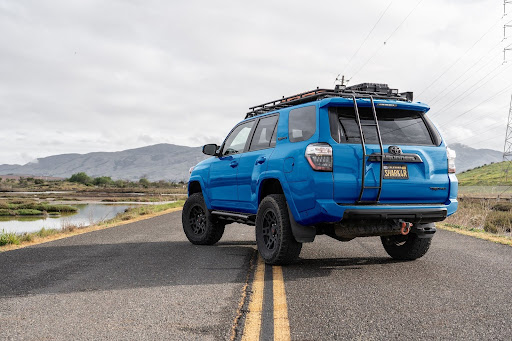
Looking to upgrade your setup for safer ladder transport? GOBI Racks offers high-quality roof racks, ladders, gear bags, and more, built to enhance your vehicle’s utility and style. The Ranger Rack stands out. It’s the ideal solution for secure and efficient hauling. Access your cargo quickly and easily with the bolt-on GOBI ladder, which attaches directly to the rear lift gate. Explore your options and order today!