





Camping is a beloved outdoor activity that allows individuals and families to connect with nature, unwind, and create lasting memories. However, the experience can be significantly enhanced by using the right tools effectively. With our help, you will understand which essential camping tools you’ll need to pack, and we will provide expert tips on how to utilize them like a pro, ensuring your next outdoor adventure is both enjoyable and efficient.
Understanding Essential Camping Tools
Before diving into the specifics of each tool, it’s important to understand what constitutes essential camping gear. Essential tools can be categorized into various groups: cooking, shelter, navigation, and safety. Each category plays a vital role in ensuring a successful camping trip. Proper preparation with the right tools enhances your experience and minimizes risks associated with outdoor adventures. Whether you’re embarking on a weekend getaway or a week-long expedition, having the right equipment can make all the difference in your comfort and enjoyment.
Categories of Camping Tools
- Cooking Tools: Items such as portable stoves, cookware, and utensils.
- Shelter Tools: Tents, tarps, and sleeping bags that provide comfort and protection.
- Navigation Tools: Compasses, maps, and GPS devices to help you find your way.
- Safety Tools: First aid kits, multi-tools, and fire starters that ensure safety in the wild.
When it comes to cooking tools, the variety available can be overwhelming, but focusing on lightweight and compact options can save space in your backpack. Consider investing in a high-efficiency portable stove that can boil water quickly, as well as nesting cookware that minimizes bulk. Utensils made from durable materials, such as titanium or stainless steel, are lightweight and resistant to rust and corrosion, making them ideal for outdoor use. Additionally, don’t forget to pack biodegradable soap and a sponge for easy cleanup, ensuring you leave no trace behind.
In the realm of shelter tools, the importance of choosing the right tent cannot be overstated. Factors such as weather conditions, terrain, and the number of occupants should guide your selection. A four-season tent is perfect for harsher climates, while a lightweight backpacking tent is ideal for summer trips. Sleeping bags also come in various shapes and temperature ratings, so it’s crucial to select one that suits the season and your personal comfort preferences. Remember to bring a sleeping pad for insulation and cushioning, which can significantly enhance your sleeping experience under the stars.
Cooking Tools: Preparing Meals in the Wild
Cooking while camping can be a delightful experience if you have the right tools. Preparing meals outdoors nourishes the body and enhances the overall camping experience. The sights and sounds of nature can turn a simple meal into a memorable feast, and with the right equipment, you can create delicious dishes that rival those made in a home kitchen.
Portable Stoves
A portable stove is a must-have for any camping trip. They come in various types, including propane, butane, and wood-burning stoves. Each type has its pros and cons, depending on your cooking needs and the environment. For instance, propane stoves are often praised for their efficiency and ease of use, while wood-burning stoves provide a more authentic outdoor cooking experience, allowing you to connect with nature uniquely. To use a portable stove like a pro, consider the following tips:
- Read the Instructions: Always familiarize yourself with the stove’s operation before your trip.
- Practice Setup: Set up your stove at home to ensure you understand how it works.
- Safety First: Use the stove in well-ventilated areas to avoid carbon monoxide buildup.
Additionally, it’s wise to carry extra fuel, as running out can put a damper on your culinary plans. Consider bringing a windscreen to protect your flame from breezy conditions, which can significantly affect cooking times and efficiency. Having a sturdy, flat surface to work on can make a world of difference, so a portable table or even a large rock can serve as a great prep area.
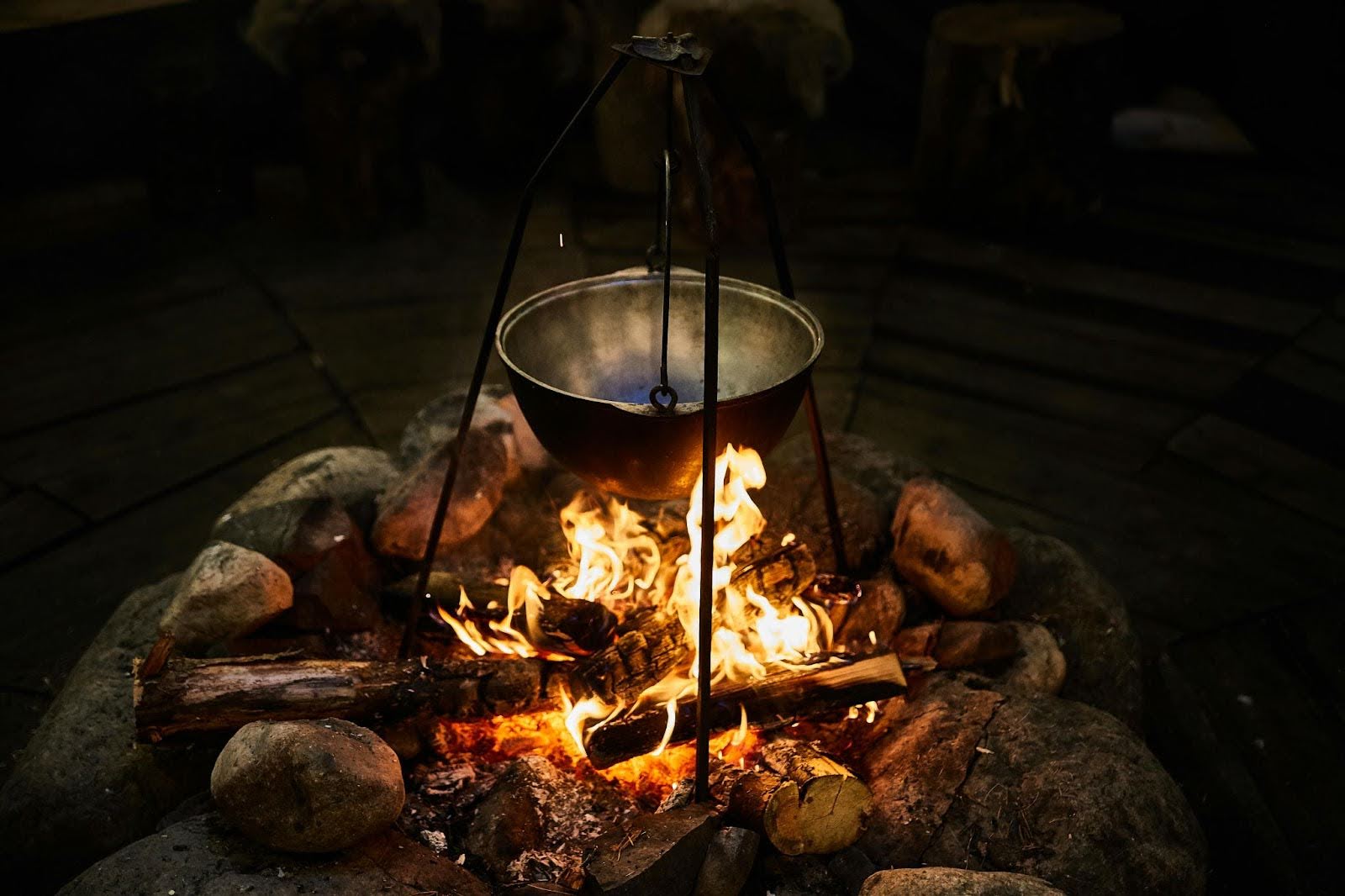
Cookware and Utensils
Investing in lightweight, durable cookware can make a significant difference in your cooking experience. Look for pots, pans, and utensils designed specifically for camping, as they are often more compact and easier to clean. Stainless steel and titanium options are excellent choices due to their resilience and lightweight nature, making them ideal for backpacking trips where every ounce counts. When using cookware, keep these tips in mind:
- Pre-Plan Meals: Prepare a meal plan before your trip to ensure you bring the right cookware.
- Use Non-Stick Options: Non-stick cookware can simplify cooking and cleaning.
- Clean Properly: Always clean your cookware thoroughly after each use to prevent rust and damage.
In addition, consider packing a multi-tool or a set of nesting utensils that can save space and weight in your pack. A good cutting board and a sharp knife are essential for meal prep, allowing you to chop vegetables and prepare meats with ease. Don’t forget to bring along a small sponge or cloth for cleaning, as well as biodegradable soap to protect the environment while ensuring your cooking gear stays in top condition.
Shelter Tools: Creating a Comfortable Space
Having a reliable shelter is crucial for a comfortable camping experience. The right tools can protect you from the elements and provide a cozy space to relax. Whether you are embarking on a weekend getaway or a longer expedition, investing in quality shelter tools can make all the difference in your overall enjoyment of the great outdoors.
Tents
Tents are the primary shelter for most campers. They come in various sizes and styles, catering to different camping needs. From lightweight backpacking tents designed for portability to spacious family tents that can accommodate multiple people, the options are vast. Proper setup is essential for maximizing comfort and safety, ensuring your tent can withstand the unpredictable nature of the wilderness. To set up a tent like a pro:
- Choose the Right Spot: Look for level ground, away from potential hazards like falling branches. Additionally, consider the direction of the wind and the position of the sun to enhance your comfort throughout the day.
- Follow Instructions: Always refer to the tent’s manual for specific setup instructions. Familiarizing yourself with the tent’s features, such as ventilation options and rainfly setup, can also improve your camping experience.
- Secure the Tent: Use stakes and guylines to secure your tent against wind and rain. In particularly windy areas, consider adding extra stakes or using rocks to weigh down the guylines for added stability.
Sleeping Bags and Pads
A good night’s sleep is vital for an enjoyable camping experience. Sleeping bags and pads provide insulation and comfort, allowing you to recharge for your outdoor adventures. When selecting these items, consider the temperature ratings and packability, as well as the material of the sleeping bag which can affect breathability and warmth retention. Tips for using sleeping bags and pads effectively include:
- Choose the Right Bag: Select a sleeping bag rated for the temperature you expect during your trip. Mummy bags are great for colder climates, while rectangular bags offer more room for movement in milder conditions.
- Use a Sleeping Pad: A sleeping pad adds insulation and cushioning, enhancing comfort. Look for options with built-in insulation for cold ground or inflatable pads that can be easily packed away.
- Practice Packing: Learn how to pack your sleeping bag efficiently to save space. Compression sacks can help reduce bulk, making it easier to fit your gear into your backpack.
Additionally, consider bringing along a travel pillow or a stuff sack filled with clothes to serve as a makeshift pillow. This can significantly improve your sleeping comfort and help you wake up refreshed and ready for the day ahead. Remember, the right shelter tools contribute to a good night’s sleep and enhance your overall camping experience by allowing you to focus on the beauty of nature around you.
Navigation Tools: Finding Your Way
Getting lost in the wilderness can turn a fun camping trip into a stressful situation. Proper navigation tools are essential for staying on track.
Maps and Compasses
While GPS devices are popular, traditional maps and compasses are still invaluable tools for navigation. They do not rely on batteries and can provide a broader view of the area. To navigate effectively with maps and compasses:
- Learn Basic Skills: Familiarize yourself with reading maps and using a compass before your trip.
- Practice: Test your navigation skills in familiar areas before heading into the wilderness.
- Keep Maps Dry: Use waterproof bags to protect your maps from moisture.

GPS Devices
GPS devices can be incredibly useful for tracking your location and planning routes. They often come with additional features like waypoint marking and distance measurement. When using a GPS device, consider these tips:
- Charge Before Use: Ensure your device is fully charged before heading out.
- Download Maps: Download offline maps in case you lose signal in remote areas.
- Backup Navigation: Always carry a map and compass as a backup.
Safety Tools: Ensuring a Secure Experience
Safety should always be a priority when camping. Having the right tools can help mitigate risks and prepare you for emergencies.
First Aid Kits
A well-stocked first aid kit is essential for any camping trip. It should include items for treating minor injuries and supplies for more serious situations. To use a first aid kit effectively:
- Check Contents: Regularly check your kit to ensure all items are in good condition and replace expired supplies.
- Know Basic First Aid: Familiarize yourself with basic first aid procedures relevant to your activities.
- Keep It Accessible: Store your first aid kit in a location that is easy to reach in case of an emergency.
Multi-Tools
A multi-tool can be a lifesaver in various situations, providing multiple functions in a compact form. They can be used for everything from food preparation to equipment repairs. To maximize the use of a multi-tool:
- Choose Quality: Invest in a high-quality multi-tool that includes the functions you need.
- Practice Using It: Familiarize yourself with all the tools and functions before your trip.
- Keep It Clean: Regularly clean and maintain your multi-tool to ensure it operates smoothly.
Additional Camping Tools to Consider
While the aforementioned tools are essential, several additional items can enhance your camping experience. These tools can provide convenience, comfort, and enjoyment during your outdoor adventures.
Lighting Tools
Proper lighting is crucial for navigating and enjoying your campsite after dark. Options include lanterns, headlamps, and flashlights. When selecting and using lighting tools, keep these tips in mind:
- Choose the Right Type: Consider the type of lighting that best suits your activities and campsite layout.
- Bring Extra Batteries: Always pack extra batteries or a portable charger for rechargeable devices.
- Test Before Use: Ensure all lighting tools are functional before heading out.
Fire Starting Tools
Fire is essential for warmth, cooking, and ambiance while camping. Having reliable fire-starting tools can make the process easier and more enjoyable. To start a fire like a pro:
- Choose Quality Tools: Invest in waterproof matches, lighters, or fire starters.
- Know Fire Safety: Always follow fire safety guidelines and regulations for your camping area.
- Practice Fire Building: Familiarize yourself with different fire-building techniques before your trip.
Maintaining Your Camping Tools
Proper maintenance of camping tools is essential for ensuring their longevity and effectiveness. Regular care can save time and money in the long run.
Cleaning and Storage
Cleaning your tools after each trip is crucial. Dirt, moisture, and food residues can lead to damage and reduce the lifespan of your gear. Consider the following cleaning and storage tips:
- Clean After Each Use: Rinse and dry cookware, tools, and equipment after each trip.
- Store Properly: Store tools in a cool, dry place to prevent rust and degradation.
- Inspect Regularly: Regularly check your gear for wear and tear, replacing items as necessary.
Repairing Damaged Tools
Accidents happen, and tools can get damaged during use. Knowing how to repair them can save you from having to replace them entirely. To repair damaged tools:
- Learn Basic Repair Skills: Familiarize yourself with basic repair techniques for your tools.
- Carry Repair Kits: Bring along small repair kits for items like tents and sleeping pads.
- Seek Professional Help: For significant damage, consider seeking professional repair services.
Conclusion
Utilizing essential camping tools effectively can elevate any outdoor experience. From cooking and shelter to navigation and safety, understanding how to use these tools like a pro can make all the difference. By investing in quality gear, practicing your skills, and maintaining your tools, campers can ensure a safe and enjoyable adventure in the great outdoors. Embrace the beauty of nature and make the most of your camping trips by mastering these essential tools.
Now that you understand the correct tools to bring for a camping trip, are you looking for ways to enhance your vehicle? Check out GOBI Racks. They sell roof racks, ladders, gear bags, and other car accessories to improve your vehicle for any camping adventure. Be sure to view the Toyota 4Runner 5th Gen Stealth Rack, as this rack comes with two removable crossbars, has a no-drill mounting system, and can hold 300 pounds comfortably. Place your order today!