





Camping is an excellent way to escape the hustle and bustle of everyday life, reconnect with nature, and create lasting memories. However, a successful camping trip requires careful planning and the right gear. With our help, you will have a comprehensive checklist of camping essentials to ensure that every adventure is enjoyable and stress-free.
Before You Go: Planning and Preparation
Planning is the key to a successful camping experience. It involves more than just packing your bags; it requires understanding your destination, the weather, and the activities you plan to engage in.
Understanding Your Destination
Researching your camping location is crucial. Consider factors such as:
- Accessibility: How far is the campsite from your home? What is the best route to take?
- Terrain: Is the area flat, hilly, or rocky? This will influence your choice of gear.
- Wildlife: Are there any animals you should be cautious of? Knowing what to expect can enhance your safety.
In addition to these factors, familiarize yourself with the local regulations and guidelines for camping in the area. Some campsites may have specific rules regarding campfires, waste disposal, and quiet hours. Understanding these regulations helps preserve the natural environment and ensures a smooth experience for you and fellow campers. Moreover, consider exploring local attractions or hiking trails that may enhance your trip, allowing you to immerse yourself in the beauty of the surroundings.
Weather Considerations
Weather can change rapidly, especially in mountainous regions. Check the forecast leading up to your trip and pack accordingly. Consider:
- Temperature Fluctuations: Daytime may be warm, but nights can be chilly.
- Rain: A waterproof tent and rain gear are essential if rain is expected.
- Wind: Windbreaks may be necessary for cooking and relaxing outside.
Essential Gear for Camping
Having the right gear can make or break your camping experience. Below is a categorized list of essential items to consider:
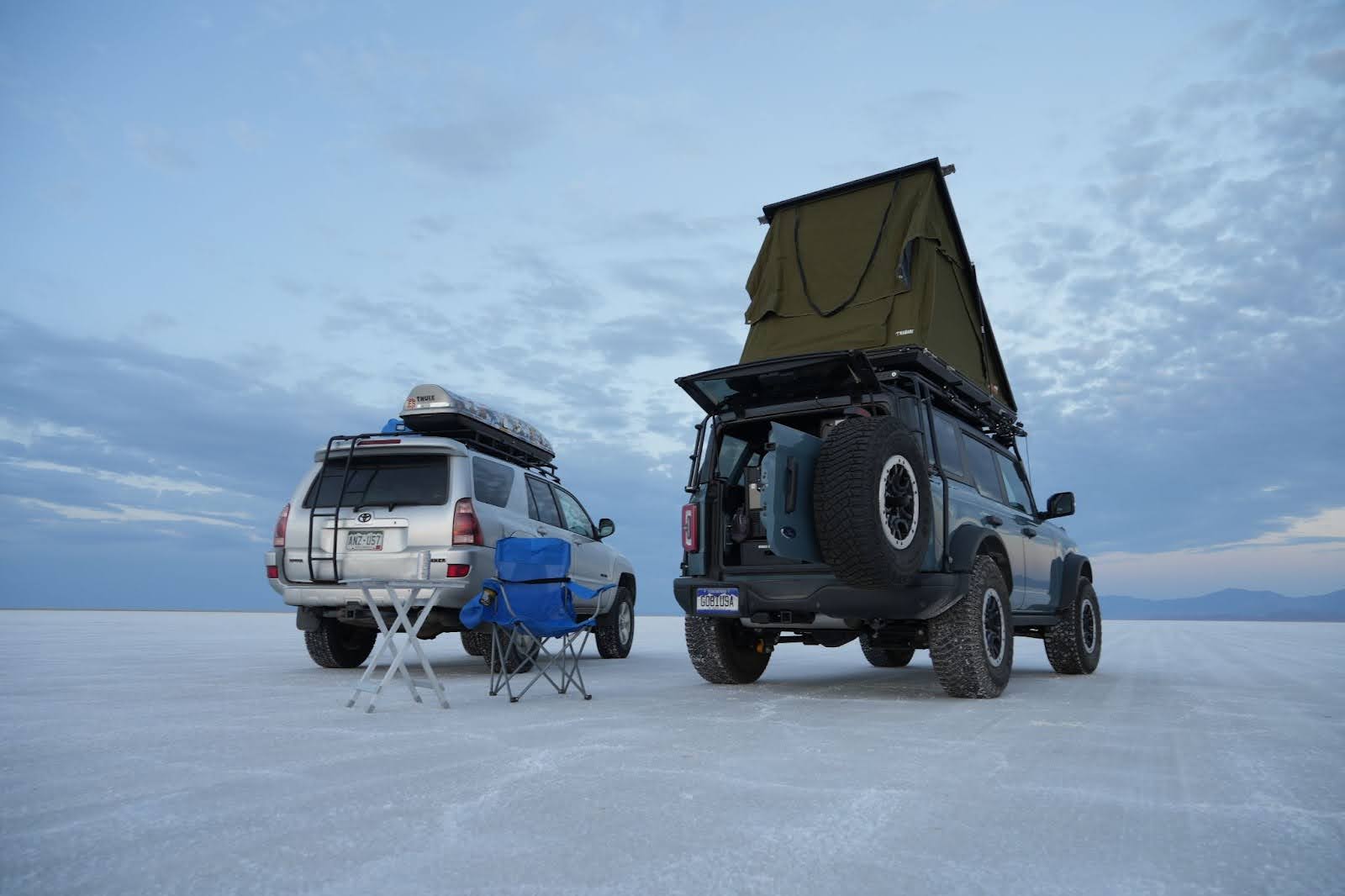
Camping Shelter
Your shelter is your home away from home. Here are the essentials:
- Tent: Choose a tent that suits your group size and is suitable for the weather conditions.
- Ground Tarp: Protects the bottom of your tent from moisture and abrasions.
- Sleeping Bags: Ensure they are rated for the temperatures you expect.
- Sleeping Pads: Provides insulation and comfort while sleeping.
When selecting a tent, consider factors such as weight, ease of setup, and durability. Some tents come with additional features like vestibules for gear storage or built-in rainflies for extra weather protection. If you’re camping in a particularly rainy area, a tent with a high waterproof rating can be invaluable. Moreover, sleeping pads vary widely in thickness and material; inflatable pads offer great comfort, while foam pads are typically more durable and less prone to punctures. Don’t forget to bring extra stakes and guylines for windy conditions, as securing your tent properly can prevent mishaps during the night.
Cooking and Food Supplies
Cooking outdoors can be a delightful experience. Here’s what you’ll need:
- Portable Stove or Grill: Choose a model that suits your cooking style.
- Fuel: Ensure you have enough fuel for your cooking needs.
- Cooking Utensils: Include pots, pans, spatulas, and knives.
- Food: Plan meals in advance and pack non-perishable items.
- Cooler: Keep perishables fresh, especially in warmer weather.
In addition to the basic cooking supplies, consider bringing along a multi-tool or Swiss Army knife, which can serve multiple purposes and save space in your pack. For those who enjoy coffee or tea, a portable coffee maker or kettle can elevate your morning routine while surrounded by nature. Meal planning is key; try to incorporate ingredients that can be used in multiple dishes to minimize waste. Don’t forget to pack snacks like trail mix or energy bars for quick bites during hikes. Lastly, a compact dishwashing kit—including biodegradable soap, a sponge, and a drying cloth—will help keep your cooking area tidy and environmentally friendly.
Clothing and Personal Items
Wearing the right clothing can significantly enhance your comfort while camping. Here’s a breakdown of what to pack:
Layering for Comfort
Layering is essential for adapting to changing weather conditions. Consider the following:
- Base Layer: Moisture-wicking shirts and thermal underwear.
- Insulating Layer: Fleece jackets or down vests for warmth.
- Outer Layer: Waterproof and windproof jackets to protect against the elements.
When selecting your base layer, opt for materials like Merino wool or synthetic fabrics that effectively wick moisture away from your skin, keeping you dry and comfortable. The insulating layer should provide warmth and allow for breathability; look for options with zippered vents for added airflow. As for the outer layer, ensure it is lightweight yet durable, as this will help you stay agile while also shielding you from unexpected rain or wind gusts.
Footwear and Accessories
Your choice of footwear can impact your hiking experience. Here are some recommendations:
- Hiking Boots: Sturdy, supportive, and waterproof options are best.
- Sandals: Useful for relaxing around the campsite.
- Hats and Gloves: Protect against sun and cold, respectively.
Investing in high-quality hiking boots is crucial, as they provide the necessary support for your ankles and feet, especially on uneven terrain. Look for boots with good traction to prevent slips on rocky paths. Additionally, consider bringing along a pair of moisture-wicking socks to prevent blisters and keep your feet dry. For accessories, a wide-brimmed hat can shield your face from harmful UV rays, while gloves made from breathable materials will keep your hands warm without causing overheating during physical activity. Don’t forget to pack a buff or neck gaiter, as these can serve multiple purposes like keeping your neck warm or protecting your face from dust and sun exposure.
Safety and Navigation Tools
Safety should always be a priority while camping. Equip yourself with the necessary tools to navigate and stay safe. The wilderness can be unpredictable, and being prepared can make all the difference in ensuring a positive experience.
Navigation Equipment
Being able to navigate your surroundings is crucial. Consider bringing:
- Map and Compass: Always have a physical map as a backup. Familiarize yourself with the area beforehand and practice using your compass to ensure you can orient yourself even without electronic devices.
- GPS Device: Useful for tracking your location in unfamiliar territory. Many modern GPS devices also allow you to download maps and waypoints, which can be invaluable in dense forests or mountainous regions.
- Emergency Whistle: Helps signal for help if needed. A whistle can be heard much farther than your voice, making it a critical tool for alerting others in case of an emergency.
First Aid Kit
A well-stocked first aid kit is essential for any camping trip. Include the following:
- Adhesive bandages of various sizes
- Antiseptic wipes and ointment
- Pain relievers and allergy medication
- Any personal medications
In addition to these basics, consider adding items such as gauze pads, medical tape, and a pair of tweezers for removing splinters or ticks. It’s wise to include a first aid manual or guide, which can provide instructions on how to handle common injuries or emergencies. Remember to regularly check and replenish your first aid kit before each trip, ensuring all items are within their expiration dates and ready for use.
Furthermore, it’s beneficial to have a basic understanding of first aid techniques. Taking a first aid and CPR course can equip you with the skills needed to respond effectively in an emergency. This knowledge enhances your safety and the safety of those around you, fostering a sense of confidence and preparedness as you embark on your outdoor adventures.
Camping Comforts
While camping is about enjoying nature, certain comforts can enhance the experience. Here are some items to consider:
Seating and Relaxation
After a long day of hiking, having a comfortable place to sit can make a big difference. Consider:
- Camping Chairs: Lightweight and portable options are ideal.
- Hammocks: Perfect for relaxing between trees.
In addition to traditional camping chairs, you might explore inflatable loungers, which can provide a plush seating option without taking up much space in your pack. These loungers are designed to be quick to inflate and deflate, making them a convenient choice for those who want to kick back and enjoy the scenery. Furthermore, consider bringing along a compact blanket or throw to enhance your seating area, which can add an extra layer of comfort during chilly evenings by the campfire.
Lighting Solutions
Proper lighting is essential for safety and convenience at night. Options include:
- Headlamps: Hands-free lighting for tasks around the campsite.
- Lanterns: Provide ambient light for socializing and cooking.
- Flashlights: A reliable flashlight is a must for navigating at night.
Beyond these basics, consider solar-powered lights that can charge during the day and provide illumination at night without the need for batteries. These eco-friendly options save you from carrying extra weight and add a charming glow to your campsite. Additionally, string lights can create a cozy atmosphere, perfect for late-night storytelling or simply enjoying the stars. They can be hung from trees or your tent, transforming your camping space into a warm and inviting retreat.
Food and Cooking Essentials
Food is a central part of the camping experience. Preparing meals outdoors can be both fun and rewarding. Here’s what you need to consider:
Meal Planning
Planning meals ahead of time can save time and reduce stress. Consider the following:
- Choose simple recipes that require minimal ingredients.
- Incorporate foods that can be cooked over a fire or on a portable stove.
- Pre-pack meals in resealable bags for easy access.
Additionally, think about the nutritional balance of your meals. Camping often involves physical activities like hiking, swimming, or fishing, so it’s important to fuel your body with the right nutrients. Incorporating a mix of carbohydrates, proteins, and healthy fats will keep your energy levels up throughout your adventures. Don’t forget to pack snacks like trail mix, granola bars, or fresh fruit to keep everyone satisfied between meals. A well-planned menu enhances your camping experience and brings a sense of comfort and familiarity to the great outdoors.
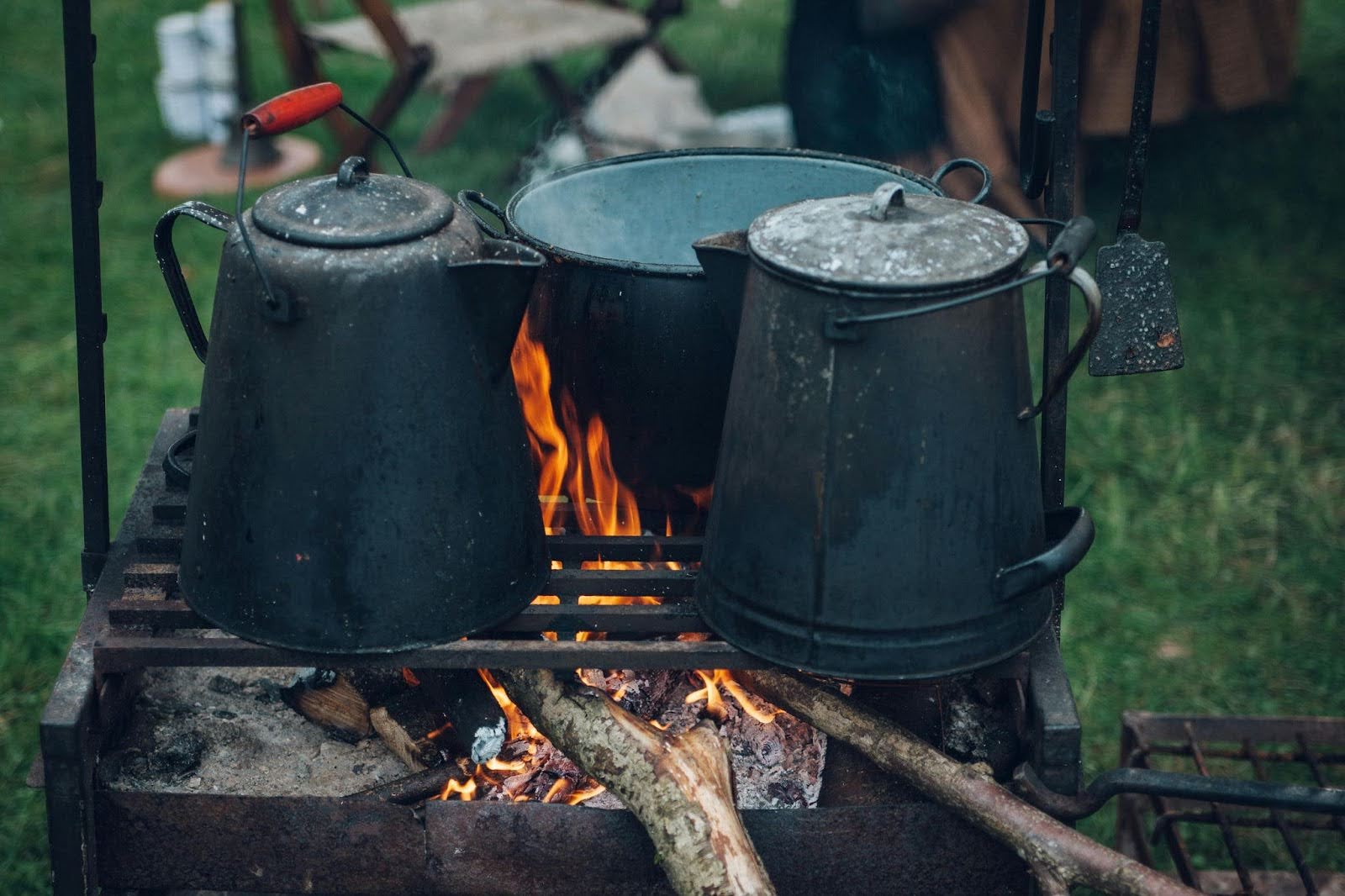
Cooking Utensils
Having the right tools can make cooking outdoors a breeze. Essential cooking utensils include:
- Multi-Tool: A versatile option for various tasks.
- Cutting Board: Useful for food preparation.
- Biodegradable Soap: For cleaning dishes without harming the environment.
In addition to these basics, consider packing a few specialized items that can enhance your outdoor cooking experience. A lightweight cast-iron skillet is perfect for frying, sautéing, and baking over an open flame, while a portable grill can elevate your meal options to include grilled meats and vegetables. Don’t overlook the importance of proper storage containers as well; airtight containers can keep your ingredients fresh and protect them from wildlife. Lastly, a good set of reusable utensils and plates will reduce waste and add a touch of home to your campsite dining setup.
Environmental Considerations
Camping is a way to connect with nature, so it’s essential to leave no trace and respect the environment. Here are some tips to consider:
Leave No Trace Principles
Adhering to Leave No Trace principles helps preserve the beauty of natural areas. Key principles include:
- Plan ahead and prepare to minimize impact.
- Travel and camp on durable surfaces to reduce erosion.
- Dispose of waste properly, including food scraps.
Wildlife Safety
Respecting wildlife is crucial for both your safety and the animals’ well-being. Consider the following:
- Store food securely to prevent attracting animals.
- Observe wildlife from a distance and do not feed them.
- Understand local wildlife hazards and how to avoid them.
Final Preparations Before Departure
As the departure date approaches, ensure that everything is in order. Here are some final checks to consider:
Check Your Gear
Before hitting the road, conduct a thorough gear check:
- Inspect your tent for any damage or missing parts.
- Ensure all cooking equipment is clean and functional.
- Double-check your food supplies and ensure perishables are packed correctly.
Inform Someone of Your Plans
Always let someone know your camping itinerary. This is crucial for safety:
- Share your expected return date and location.
- Provide contact information in case of emergencies.
Conclusion
Camping can be a rewarding experience that allows individuals and families to bond with nature and each other. By preparing adequately with the right gear, planning meals, and respecting the environment, every camping adventure can be enjoyable and memorable. Use this checklist to ensure you have everything you need for a successful trip, and embrace the great outdoors with confidence.
Are you interested in getting a roof rack to help store your supplies for your next camping trip? Check out GOBI Racks. They sell roof racks for various car models and brands, ensuring a perfect fit every time. Remember to view the Ranger Rack, as this rack comes with two removable crossbars, has a no-drill mounting system, and can hold 300 pounds comfortably. Place your order today!