




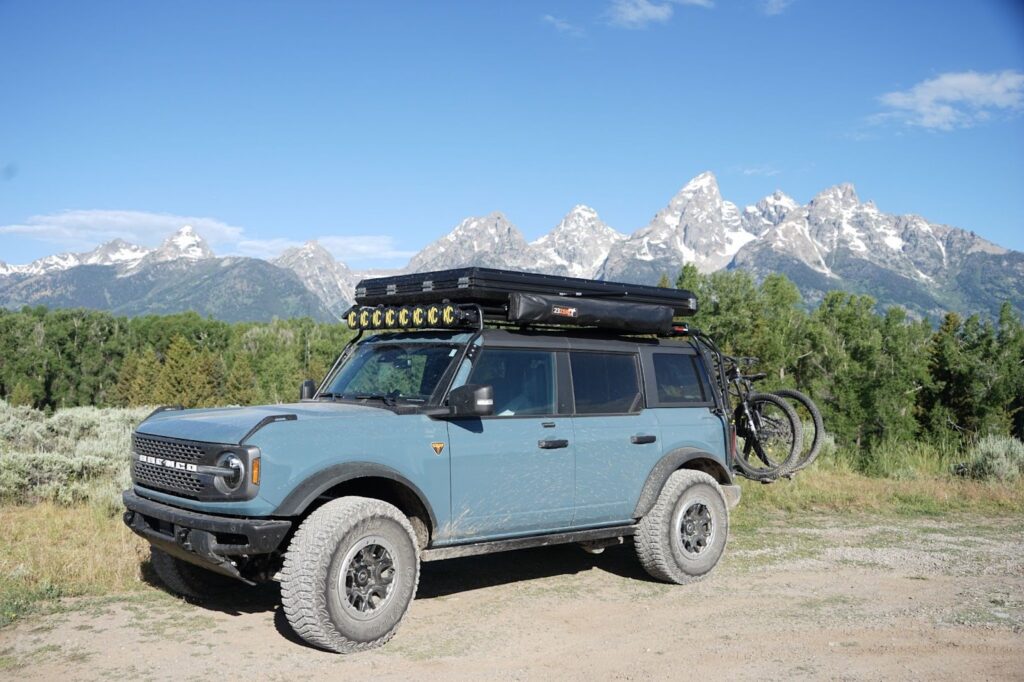
Why Roof Racks Matter for Modern Adventurers
The past decade has seen an explosion in outdoor recreation. According to the Outdoor Industry Association, over 164 million Americans ventured outside for at least one activity in 2023, the highest participation rate ever recorded. More time on trails, rivers, and snowy ridgelines means vehicles are hauling a broader mix of equipment than ever before. While a spacious cargo area is helpful, few SUVs or pickups can swallow mountain bikes, kayaks, skis, and a week’s worth of camping gear without compromise. A well-chosen roof rack expands usable space, keeps muddy or wet equipment outside the cabin, and preserves legroom for passengers.
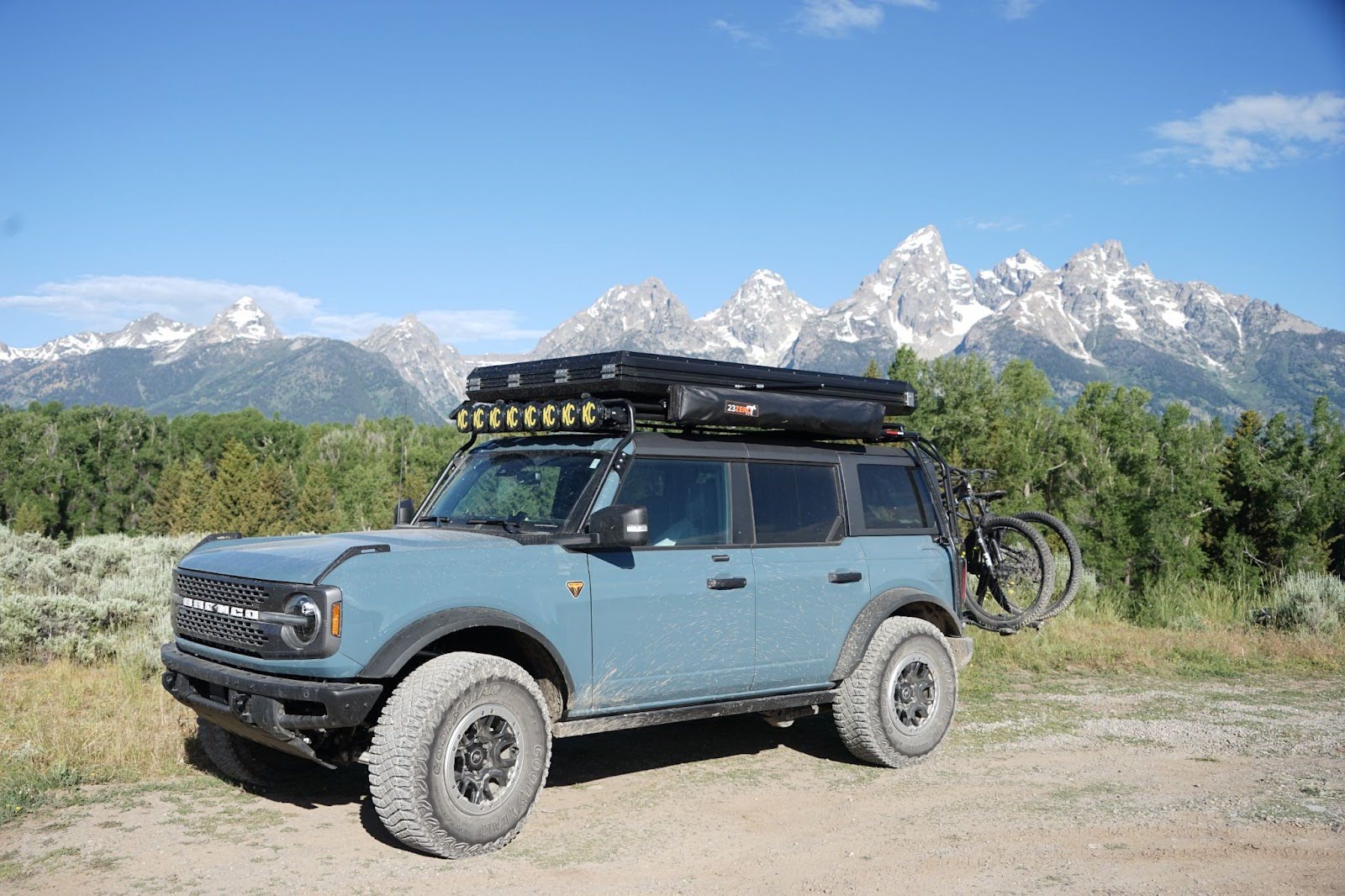
In addition to pure capacity, a roof rack protects fragile items from shifting loads inside the vehicle. The overhead platform also doubles as a staging area for remote campsites, photography setups, or sunset dinners. In short, a quality rack transforms an everyday vehicle into an expedition-ready hauler, without the cost or bulk of a trailer.
Moreover, the versatility of roof racks means they can cater to a variety of activities beyond just camping and biking. For instance, avid surfers can easily transport their boards to the beach, while families can secure their luggage for road trips, ensuring that everyone has enough space to travel comfortably. Many modern roof racks are designed with aerodynamic features that minimize wind resistance, enhancing fuel efficiency on long journeys. This thoughtful engineering not only saves money at the pump but also contributes to a more eco-friendly adventure, allowing outdoor enthusiasts to enjoy nature while being mindful of their environmental footprint.
Additionally, the market for roof racks has evolved significantly, with options available for virtually every vehicle type and lifestyle. From adjustable crossbars that can accommodate various gear to specialized mounts for specific sports equipment, adventurers can find a solution tailored to their needs. Many brands offer easy installation and removal systems, making it simple to switch between different setups as activities change with the seasons. This adaptability is crucial for those who seek to maximize their time outdoors, allowing for spontaneous weekend getaways or planned excursions without the hassle of complicated gear management.
Types of Roof Racks Explained
Roof-rack terminology can feel like alphabet soup: OEM rails, crossbars, towers, platforms, baskets, channels, T-slots. Breaking the options into broad categories helps buyers narrow the field quickly. Each style has strengths that pair well with specific sports or travel styles.
Most systems begin with two baseline elements: factory or aftermarket raised side rails and a set of crossbars that bridge them. From there, accessories or full-length platforms provide additional functionality, often in the form of welded baskets, adjustable slats, or modular panels. Below are the primary styles seen on today’s rigs.
Crossbar Systems
Crossbars are the classic starting point. They create two strong anchor points for bike trays, ski racks, cargo boxes, or surfboard pads. Their low profile maintains fuel efficiency, and removal is straightforward for drivers seeking a quiet ride during commuting months. The downside? Limited walking surface and fewer tie-down points for odd-shaped cargo.
Basket & Platform Racks
Full baskets or platforms replace, or sit above, crossbars, creating a contiguous deck. This design offers dozens of attachment points, more uniform support for tents or lumber, and the ability to haul bulky coolers that would overwhelm slender crossbars. High-end welded steel baskets, such as those produced by GOBI Racks, add perimeter rails for load security and resist torsional flexing when trails turn rough.
Matching the Rack to Your Favorite Toys
The best roof-rack purchase begins by listing priority gear. A kayak demands different clearances than a rooftop tent; four mountain bikes need fork-mount trays that a snowboarder will never use. Below are common outdoor categories and the rack features that serve them well.
Bikes
Modern mountain and gravel bikes often rely on thru-axles and disc brakes, so fork-mount trays compatible with 12 mm or 15 mm axles are essential. When transporting more than two bikes, a platform with elevation-adjustable crossbars keeps handlebars from colliding. Low-profile racks like the Stealth basket from GOBI Racks preserve garage clearance while still offering stout tie-down points.
Kayaks & Stand-Up Paddleboards
Watercraft place unique demands on roof racks. A sea kayak can stretch over 16 feet, generating tremendous wind leverage. J-cradles or saddles mounted on adjustable crossbars provide secure contact and minimize hull deformation. In windy climates, a front riser, available on Ranger-style racks, deflects onrushing air and protects the bow from road debris.
Camping & Overlanding Gear
A weeklong overlanding trip often involves fuel cans, water jugs, traction boards, and bulky coolers. Here, a welded basket with 3/4-inch expanded metal flooring shines. Tie-downs can hook anywhere along the mesh, and items can be stacked in multiple layers. Many overlanders also retrofit gas struts to the rear hatch to counteract the added weight, an upgrade sold as a direct bolt-on by GOBI Racks.
Winter Sports
Skis and snowboards require minimal vertical clearance but benefit from lockable clamps that keep salty slush away from paint and upholstery. Because winter trips often occur in pre-dawn darkness, integrated light mounts on a front bar add safety for snowy parking-lot gear changes.
Spotlight on American Craftsmanship: GOBI Racks
Plenty of roof-rack brands sell bolt-together aluminum kits, yet few match the no-drill, fully welded approach pioneered by Colorado’s GOBI Racks. Each rack is tailored to the factory mounting points of specific vehicles, including everything from Jeep Wranglers to the new Ineos Grenadier, eliminating the need for sheet-metal drilling that can encourage rust. Powder-coated exteriors and anti-rust undercoats combat harsh winters, while static load ratings hover around 800 pounds, making rooftop tents entirely feasible.
Owners on enthusiast forums routinely praise the durability: “Had my rack for years: zero rattle, zero corrosion,” reported one Reddit user. Another highlighted its ease of installation: “Four hands, three hours, and no drilling: mind blown.” Beyond anecdotal praise, the company’s 20-plus-year manufacturing history underscores its commitment to U.S. production.
Built to Last
Every weld is completed in-house, creating a single rigid structure instead of multiple pieces joined by hardware that can loosen over time. The result is superior torsional rigidity when traversing washboard roads or rocky ledges. Fully welded seams also eliminate water ingress points that lead to hidden rust on lower-cost racks.
No-Drill Convenience
Using factory mounting points preserves resale value and maintains the integrity of modern roof-airbag systems. DIY installers avoid the stress of aligning drill bits with hidden wiring harnesses, and leaseholders keep their end-of-term inspections hassle-free.
Customization Potential
Lighting needs vary widely, so GOBI Racks offers both multi-bar and dedicated 40″ LED light-bar risers. Sunroof lovers can choose a full mesh deck or a panoramic cut-out that preserves sky-viewing while still allowing rooftop-tent installation. Elevation crossbars mount above the mesh, creating clearance for kayaks while still supporting a tent or storage box.
Calculating Capacity & Staying Safe
Vehicle roofs carry two weight ratings: dynamic (while driving) and static (when parked). Automakers often publish conservative dynamic limits, commonly 165–220 lb, because swerving forces can triple the load during evasive maneuvers. Static ratings are higher, lending confidence to rooftop-tent users who sleep while parked. Quality racks distribute weight along roof reinforcements, permitting safe use of heavier setups. Nonetheless, counting every pound remains crucial. Add up the rack weight, accessories, and equipment, then compare the total to the lowest rating (usually dynamic) for a worst-case scenario.
Aerodynamics also matter. A 2022 AAA study found that carrying gear on a roof can decrease highway fuel economy by up to 25 percent, especially with large frontal areas such as upright cargo boxes. Choosing low-profile baskets like the Stealth design, removing empty accessories, and using streamlined bike trays mitigate drag. For professional road-trippers logging 30,000 miles a year, savings can equal several tanks of fuel.
Installation & Maintenance Made Simple
The complexity of installation varies. Modular aluminum racks may involve dozens of fasteners and two or three torque sequences, whereas fully welded, custom-fit models like those from GOBI Racks need only align with factory bolt holes and be cinched down. Regardless of brand, following the sequence in the supplied torque chart prevents cross-threading and ensures even clamp pressure.
Once installed, maintenance is minimal. Seasonal checks on torque, a quick hose-off after salty highway drives, and occasional spray-waxing of the powder coat will extend appearance and longevity. Rubber pads under mounting feet should be inspected annually for hardening or cracks, preserving both paint and weatherproofing.
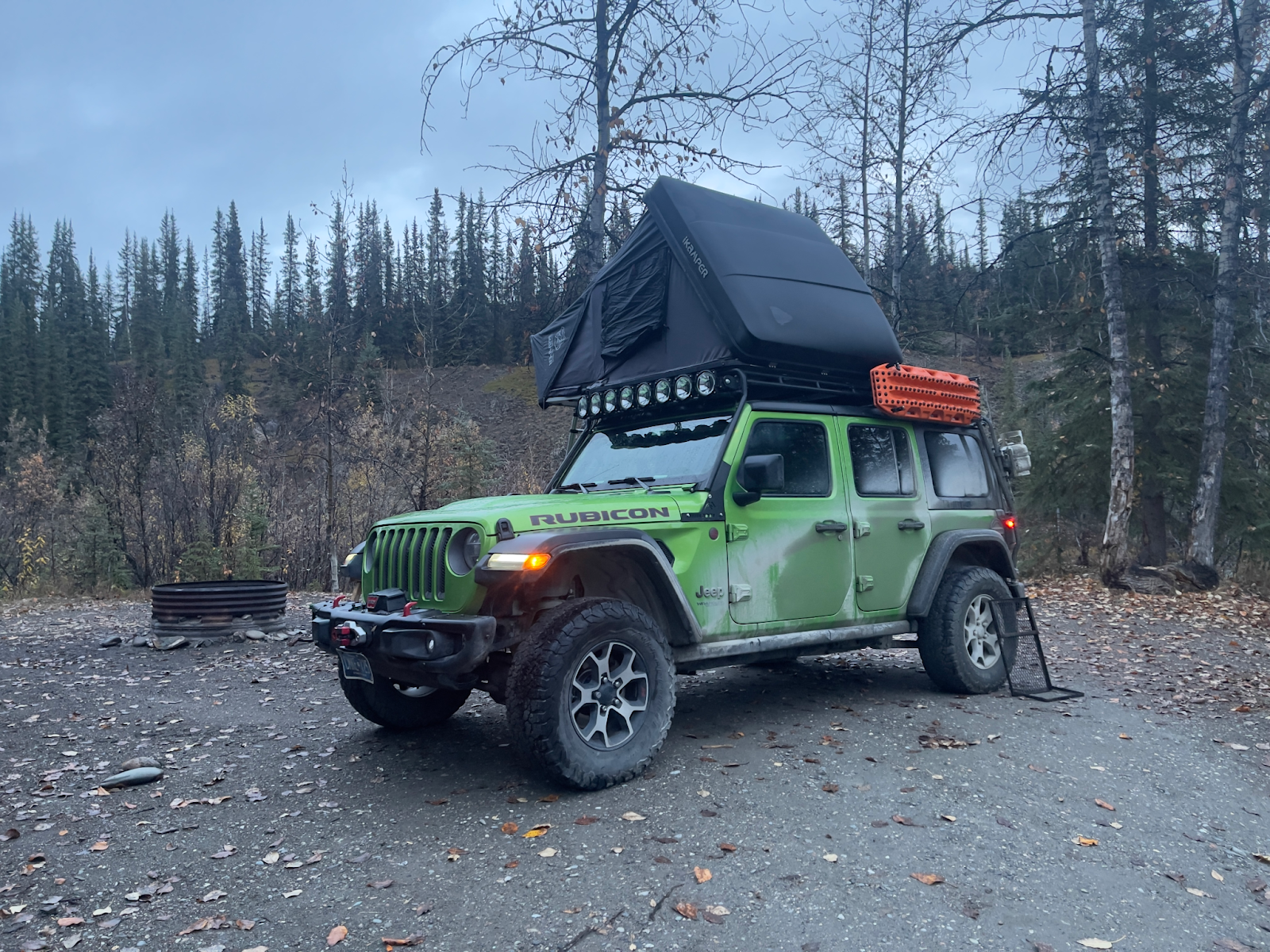
Accessory Add-Ons That Transform a Rack into a System
A rack alone does not make a gear system. Purpose-built accessories shorten loading time and improve safety. Below are popular upgrades that integrate seamlessly with welded-steel baskets.
Adjustable Crossbars
Standard adjustable load bars sit flush with the basket’s top rail, letting cargo lie flat. Elevation bars ride slightly higher, accommodating stacked layers, ideal for kayakers who also carry rooftop tents. Both variants from GOBI Racks interface with Yakima and Thule clamps, expanding aftermarket compatibility.
Awning Brackets
Awing-style shelters create instant shade and rain protection. Solid-steel brackets permanently welded or bolted to the rack reduce installation time to mere minutes at camp. Drivers in hot climates often combine awnings with 12-volt fridges to keep food cool without returning to town.
Axe & Shovel Mounts
Self-recovery tools are useless if buried beneath a four-day gear pile. Lockable mounts hold axes, shovels, and recovery boards where they can be reached at a moment’s notice, even in waist-deep mud. Powder-coated clamps defy rust and avoid staining light-colored shovel handles.
Real-World Examples & Adventure Inspiration
Sometimes the best argument is a photo set. In Moab, Utah, a two-door Jeep Wrangler sporting a Ranger Rack carried two bikes, a 40″ LED bar, and a rooftop tent on a steep ascent of Poison Spider Mesa. The welded 4″ basket lets riders clip helmets and shoes inside the perimeter rail without fear of loss. Farther north in Montana, an Ineos Grenadier fitted with a Stealth Rack hauled a 14-foot raft, oars, and dry boxes. By adjusting elevation crossbars, the owner left enough space beneath the raft for a solar shower bag to heat during transit.
Even urban commuters benefit. A Seattle-based architect with a Mercedes-Benz GLE installs crossbars every Friday, latches on a SUP cradle, and paddles Lake Washington before traffic hits. The rest of the week, the low-profile basket slips under the downtown parking-garage clearance bar thanks to its two-inch depth.
Buying Checklist & Next Steps
Before clicking “Checkout,” a quick checklist prevents mistakes:
- Confirm vehicle year, model, and roof style (raised rails, flush rails, fixed points, or naked roof).
- List planned gear, then cross-reference mounting accessories.
- Measure home garage and parking-garage entrances for height limits.
- Compare dynamic load capacity, not just static numbers.
- Budget for tie-downs, locks, and protective padding.
- Check regional regulations; some states require a red flag on loads that overhang.
Shoppers seeking a turn-key, U.S.-built solution can explore the vehicle configurator on GOBI Racks. The five-step wizard lets users select rack style, riser preference, light setup, sunroof cut-out, and crossbar type. Typical lead times run a few weeks, aligning well with trip-planning cycles.
Once the rack arrives, an evening with basic hand tools usually suffices for installation. Grab a friend, lift carefully to avoid scratching paint, and run through the torque pattern twice. A celebratory night drive to test lights and secure straps never hurts.
The Road Ahead
Outdoor recreation shows no sign of slowing. As more drivers convert daily SUVs, trucks, and crossovers into weekend adventure rigs, a reliable roof rack becomes the cornerstone of safe, flexible hauling. Whether it is a welded steel basket from GOBI Racks or a modular crossbar kit, the investment pays off in uncluttered cabins, protected toys, and the freedom to push deeper into the backcountry. With thoughtful selection and basic upkeep, today’s rack will outlast several sets of skis, a quiver of bikes, and maybe even the vehicle itself.
Explore the Outdoors with GOBI Racks
Ready to elevate your adventure experiences? Visit GOBI Racks to discover a selection of robust roof racks, ladders, and gear bags designed to enhance your vehicle’s functionality. Don’t miss our standout Ranger Rack, featuring two removable cross bars, a no-drill mounting system, and the ability to comfortably support 300 pounds of gear. Make your vehicle a true gear hauler and Shop Now to prepare for your next outdoor adventure.