




Why Carrying Big Weight on the Roof Matters More Than Ever
Pickup trucks and full-size SUVs are being asked to do more than haul plywood and weekend luggage. Roof-top tents, tandem kayaks, recovery boards, and long-range fuel cans have become common sights on rigs traveling everything from interstate highways to faint desert tracks. Each of those items adds weight, and very often the roof is the only practical place to store bulky gear. Choosing the right heavy-duty roof rack, therefore, is not simply a question of style; it is a matter of safety, convenience, and protecting a vehicle investment that often crests six figures.
The market now offers dozens of racks advertised as “expedition grade,” yet capacities, mounting methods, and real-world durability vary widely. Understanding what separates a true heavy-load system from a casual bike carrier will steer truck owners toward gear that survives thousands of trail miles and countless thunderstorms without rattling loose or bending under cargo.
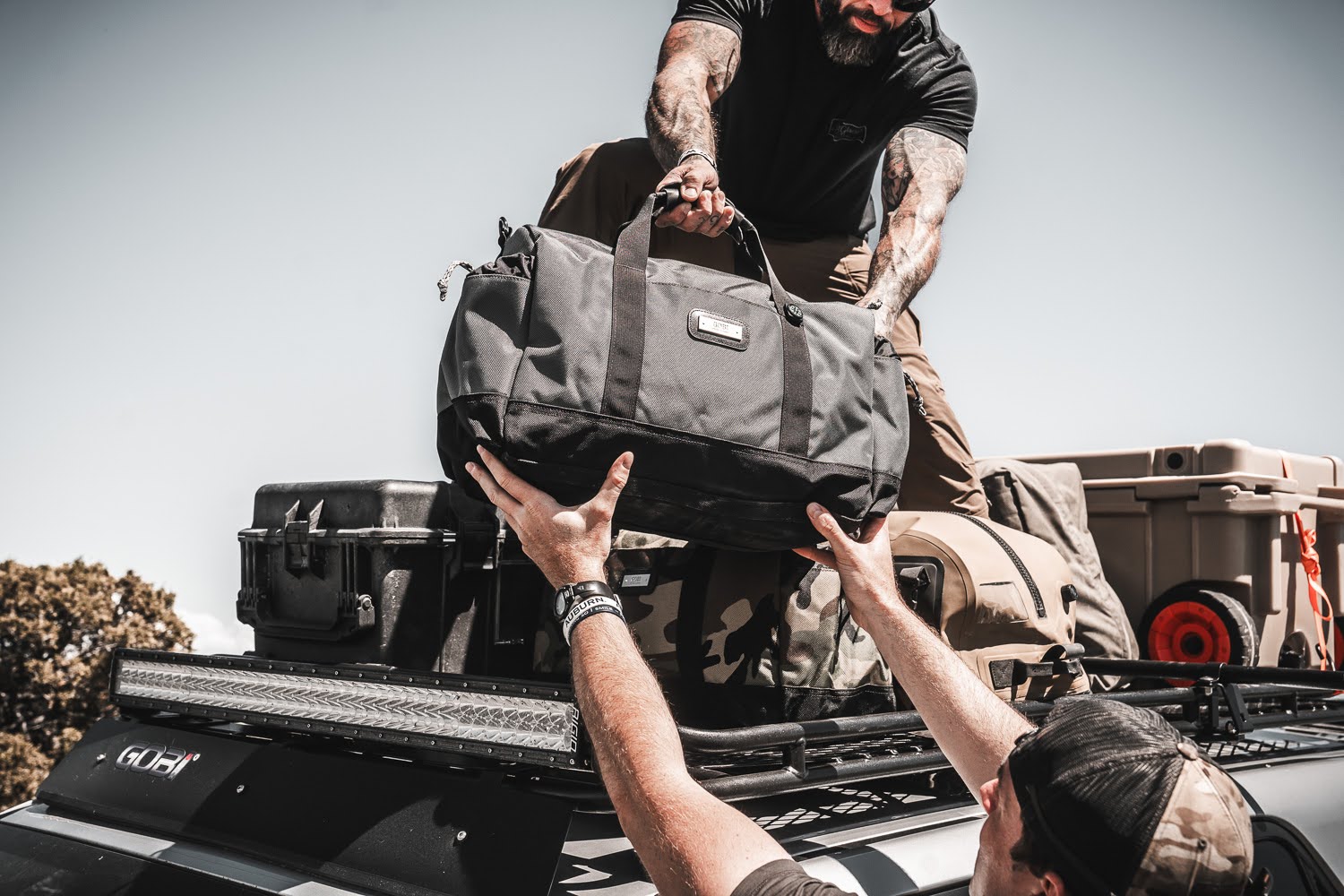
What Separates a Heavy-Duty Rack From a Light-Duty Alternative?
Most manufacturers list two figures: a static load rating and a dynamic, or driving, load rating. The static number reflects the weight the rack can handle when the vehicle is parked, critical for roof-top tents and camp platforms. The dynamic rating denotes what the rack safely carries while the truck is moving over pavement or rough terrain. A dependable heavy-load rack will support at least 600–800 pounds static and no less than 250–300 pounds dynamic, while some overlanding-focused designs exceed those benchmarks.
Fasteners and mounts are equally important. On a high-quality rack, every bolt is grade 8 or stainless steel, torque-spec documents are provided, and support brackets attach to reinforced factory locations instead of thin sheet metal. Look for extensive welding or gusseting and, if possible, independent laboratory testing that backs up marketing claims. Inferior racks frequently boast optimistic numbers yet rely on riv-nuts or single-shear hardware that can loosen after a few seasons of washboard roads.
Materials and Construction: Steel, Aluminum, and Emerging Composites
Fully-Welded Steel for Maximum Strength
Steel remains the gold standard for ultimate load capacity. Companies such as GOBI Racks fabricate complete baskets from 14-gauge tubular steel and then add a double layer of corrosion protection, an anti-rust undercoat, followed by a durable powder coat. The result is a structure that tolerates 800 pounds static, 300 pounds dynamic, and, thanks to the fully welded approach, does not rely on hundreds of bolts that could work loose over time. The trade-off is extra weight, which can nudge fuel economy downward by one or two miles per gallon when the rack is empty.
Aluminum: Lighter but Still Capable
Slimline platforms from brands like Front Runner and modular bed racks such as Leitner Designs use aluminum extrusions to keep overall rack weight low, sometimes 30–40 percent lighter than steel equivalents. While the metal itself is not as strong pound-for-pound, strategic use of boxed channels and internal bracing allows dynamic ratings over 300 pounds. Aluminum will never rust, yet it can work-harden at vibration points, so fastener inspection is critical.
Composite and Hybrid Approaches
High-end manufacturers are experimenting with glass-infused nylon corners and carbon-steel crossbars to create racks that flex slightly rather than crack. These hybrids often post lower capacities than all-steel designs, but they resist salt corrosion exceptionally well, making them attractive to coastal drivers. Expect rapid innovation in this category as material science progresses and consumer demand for weight savings climbs higher each year.
Design Styles That Spread Weight Safely
Full Baskets
A basket surrounds cargo with a perimeter rail. Deep-basket styles, such as the 4-inch-tall Ranger Rack from GOBI Racks, cradle firewood, storage bins, and spare tires. The rail doubles as a tie-down anchor and bumper to prevent gear sliding forward under heavy braking. Because baskets sit a few inches above the roof skin, they can accommodate uneven loads without scratching paint.
Low-Profile Platforms
Where clearance is tight, such as in multi-level parking garages or dense forest canopies, flat platforms shine. They employ stout crossbars and integrated T-slots for mounting accessories. Lo-pro designs shift weight closer to the vehicle’s center of gravity, improving on-road handling. The Stealth Rack series from GOBI Racks exemplifies this approach by offering a fully welded 2-inch basket that hugs the roofline.
Modular Towers and Bed Bars
For pickup owners who want to keep cargo above the bed rather than in the cab, tower-style systems use uprights bolted to the bed rails. Crossbars can be repositioned to carry ladders during the week and recovery boards on the weekend. Although dynamic capacity is usually limited to around 300 pounds, the weight sits lower than roof height and thus alters handling less dramatically when the truck is fully loaded.
Spotlight on Leading Heavy-Duty Options
Few brands combine engineering rigor with artisan craftsmanship quite like GOBI Racks. Built in Aurora, Colorado, each rack is hand-welded, sand-blasted, and powder-coated in-house. Customers can choose between the 4-inch Ranger basket for classic off-road flair or the sleek 2-inch Stealth profile designed for garage entry and minimal wind noise. Both share the same load ratings: 800 pounds static, roughly 300 pounds dynamic, and, crucially, both install without drilling by clamping to existing factory mounting points. Accessories abound: ladders, sun-roof inserts, elevation crossbars compatible with Thule and Yakima gear, even gas strut kits that allow the rack to pivot for roof access. Overlanders routinely report multiyear ownership without a single weld failure or paint chip, underscoring the long-term value.
Matching Rack Capacity to Real-World Payloads
Math trumps guesswork when loading a roof. A typical three-person roof-top tent weighs 130 pounds. Add bedding and a step ladder, and 160 pounds are already spoken for. Two 100-watt solar panels tip the scale by another 30 pounds, recovery boards contribute 15, and a full five-gallon jerrycan adds 40. The tally: 245 pounds, well within the dynamic limit of a GOBI Racks Stealth rack but flirting with the margins of lighter-duty cross-bar systems. Always subtract the weight of the rack itself to stay honest; steel baskets can run 70–90 pounds, aluminum platforms as little as 45.
A final check involves the vehicle’s roof sheet-metal rating, usually hidden in the owner’s manual. Even the stoutest rack cannot compensate for a thin roof panel stamped for a 165-pound maximum. In such cases, pickup bed racks or trailer solutions may be safer than overloading the cab.
Installation Considerations: No-Drill, Track-Mount, or Permanent?
No-drill systems such as those from GOBI Racks preserve resale value by clamping to factory hard points hidden behind trim. Install time averages two hours with basic hand tools, and removal is equally straightforward. Track mounts, common on aluminum platforms, require installing a pair of roof-length aluminum tracks with blind riv-nuts. While not strictly permanent, the process does involve drilling through paint and therefore demands careful rustproofing. The most secure option is a full safari-style cage that bolts through the drip rails into the interior roll structure, yet the labor and weight make this solution rare outside professional expeditions.
Whatever method is chosen, fresh thread-locker on every bolt, an initial torque check after 100 miles, and seasonal inspections will keep the rack tight and squeak-free. Because heavy loads amplify vibration, ignoring those follow-up checks can lead to elongated bolt holes or even sheared hardware on rough trails.
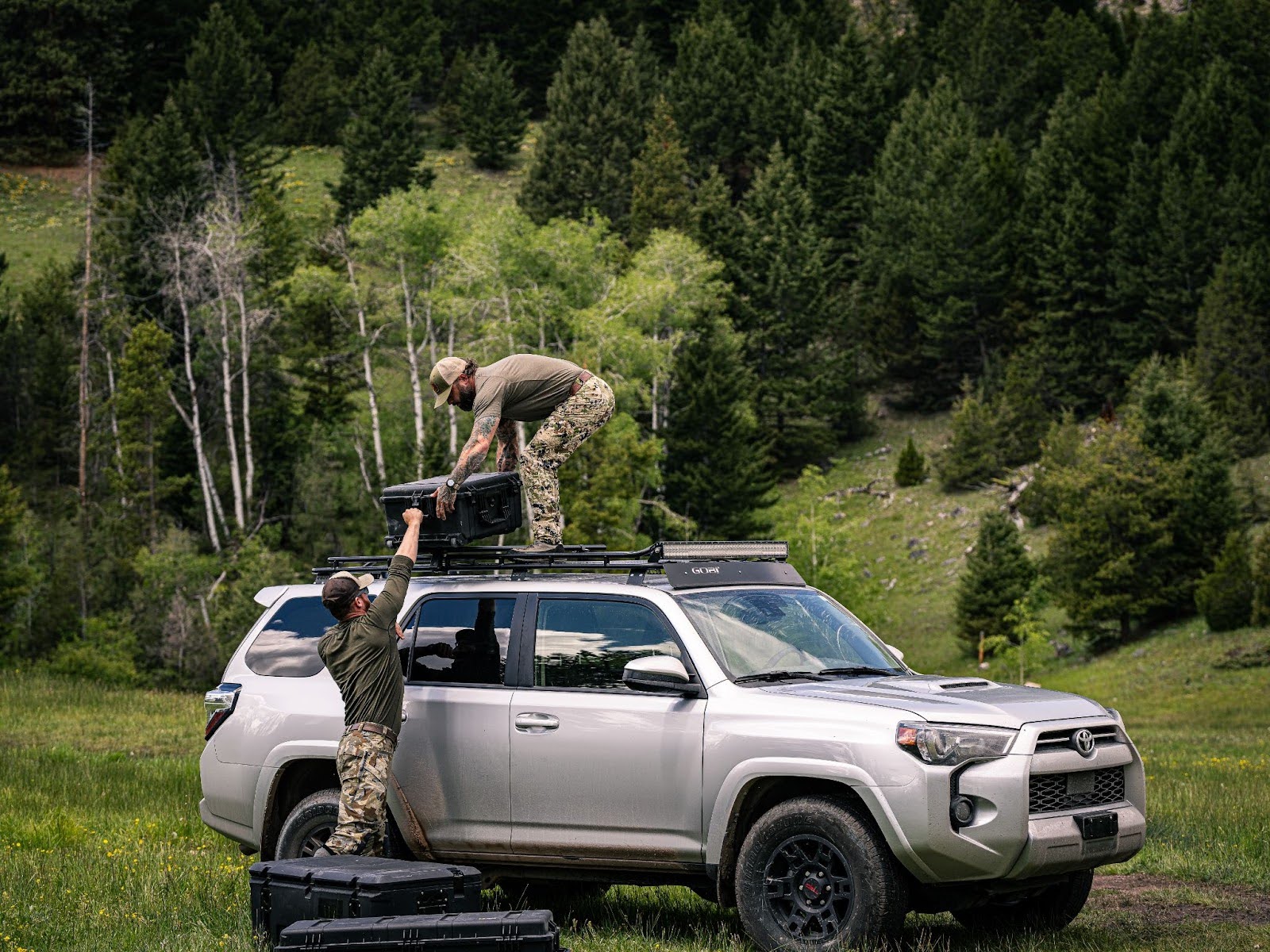
Accessorizing for Big Loads and Bigger Adventures
Adjustable Crossbars
Standard adjustable load bars supplied by GOBI Racks sit flush with the top of the mesh, preventing cargo from rocking side-to-side. When extra clearance is needed, say, to slide a kayak under a rooftop tent, elevation crossbars rise above the platform, providing additional strap points and space for bulky gear.
Tie-Down Hardware and Load Stops
Heavy gear must not move. Look for eye-nuts rated to the rack’s maximum load or machined aluminum load stops that wedge against tote boxes. Synthetic recovery straps excel as roof cinches because they do not absorb water and can be twisted to reduce wind noise. Avoid traditional ratchet straps if possible; the metal ratchet can dent powder-coat during compressive vibration.
Lighting, Awnings, and Tool Mounts
Adding a 40-inch LED bar may only weigh 12 pounds, yet it changes wind resistance and leverage on the front riser, especially during highway headwinds. That is why GOBI Racks offers both raised and flat front bars, accommodating dual-row or single-row lights without blocking illumination. Axe and shovel mounts, awning brackets, and Hi-Lift jack carriers further expand functionality, but every accessory still counts toward the load total. Treat the rack like a bank account; each mod is a withdrawal from the capacity budget.
Maintenance and Longevity Under Heavy Use
A roof rack living under 300 pounds of dynamic load experiences constant flex. Annual maintenance prevents the flex from becoming fatigued. Key tasks include washing off road salt, inspecting welds for hairline cracks, and reapplying touch-up paint to rock chips before rust creeps underneath powder-coat. Lubricate pivot points on ladder hinges and sunroof inserts with a dry-film PTFE spray to avoid dust accumulation. For racks that see beach duty, a monthly freshwater rinse followed by corrosion inhibitor spray on fasteners extends hardware life dramatically. Owners who adhere to a simple 30-minute service routine each season routinely report a decade of service without structural failure, even in harsh climates.
Final Thoughts: Invest Once, Carry More, Worry Less
Choosing a heavy-load roof rack is not merely about bolting metal above a cab. It is about selecting a system engineered to shoulder the weight of today’s adventure gear while retaining the refinement expected of a modern truck. Fully welded steel baskets from GOBI Racks, modular aluminum platforms from global brands, and innovative composite hybrids each bring unique strengths. By matching the rack’s capacity to real-world payloads, favoring no-drill mounting when possible, and committing to regular maintenance, drivers gain the freedom to explore farther with confidence that their gear, and their roof, will arrive intact. The payoff is a truck that tackles mountain passes, forest trails, and crowded highways with equal poise, carrying everything needed for the journey ahead.
Discover the Strength of GOBI Racks
Ready to elevate your vehicle’s capability and take on any adventure with confidence? Visit GOBI Racks for a selection of robust roof racks, ladders, and gear bags designed to enhance your vehicle’s functionality. Don’t miss our standout Ranger Rack, featuring two removable cross bars, a no-drill mounting system for easy installation, and the ability to comfortably support 300 pounds. Transform your vehicle’s exterior and embark on your next journey with ease. Shop Now and prepare for adventure with GOBI Racks.