





When it comes to transporting gear on vehicles, understanding the distinction between roof rails and roof racks is essential for making informed decisions. Both serve the purpose of enhancing cargo capacity, yet they do so in distinct ways. With our help, you will understand the nuances of roof rails and roof racks, examining their features, benefits, and ideal use cases.
Understanding Roof Rails
Roof rails are elongated bars that run parallel to the length of a vehicle’s roof. They are typically mounted to the roofs of SUVs, crossovers, and some sedans. Roof rails are designed to provide a sturdy foundation for additional accessories, such as roof racks or cargo boxes. Their presence enhances functionality and contributes to the overall aesthetic appeal of a vehicle, making it look more rugged and ready for adventure.
Features of Roof Rails
- Design: Roof rails are usually integrated into the vehicle’s design, offering a sleek and streamlined appearance.
- Material: Common materials include aluminum and plastic, providing durability while keeping weight to a minimum.
- Adjustability: Many roof rails are adjustable, allowing users to customize their position based on the specific needs of their cargo.
Benefits of Roof Rails
Roof rails offer several advantages that make them a popular choice among vehicle owners:
- Versatility: They can accommodate various accessories, including bike racks, kayak carriers, and cargo boxes.
- Enhanced Aesthetics: Roof rails can enhance the overall look of a vehicle, adding a rugged or sporty touch.
- Improved Aerodynamics: Properly designed roof rails can help reduce wind resistance, contributing to better fuel efficiency.
Ideal Use Cases for Roof Rails
Roof rails are particularly beneficial for those who frequently transport larger items or engage in outdoor activities. They are well-suited for:
- Families needing extra storage for road trips.
- Athletes transporting sports equipment like bikes or kayaks.
- Adventurers carrying camping gear.
Additionally, roof rails can be a game-changer for those who enjoy weekend getaways or spontaneous trips. For instance, a family planning a beach vacation can easily load up surfboards or beach umbrellas atop their vehicle, freeing up space inside for passengers and other essentials. This flexibility makes travel more comfortable and encourages a more adventurous lifestyle, as the ease of transporting gear can inspire spontaneous outings to the great outdoors.

Furthermore, roof rails can serve a practical purpose for urban dwellers who may not have access to large storage spaces. City residents often face challenges when it comes to transporting bulky items like furniture or appliances. With the right accessories attached to roof rails, moving day can become significantly easier. The ability to securely fasten items to the roof of a vehicle can transform how individuals approach logistics, making it possible to tackle tasks that would otherwise require renting a larger vehicle or enlisting help from friends.
Exploring Roof Racks
Roof racks are systems designed to securely hold and transport various types of cargo on the roof of a vehicle. Unlike primarily structural roof rails, roof racks are functional components that attach to the roof rails or directly to the vehicle’s roof. They offer a practical solution for those who need to maximize their vehicle’s storage capacity without compromising interior space.
Components of Roof Racks
A roof rack typically consists of several key components:
- Crossbars: These are the horizontal bars that connect to the roof rails and provide the primary support for cargo.
- Foot Packs: These are the mounting systems that secure the crossbars to the vehicle.
- Accessories: Roof racks can be fitted with various accessories, including bike mounts, cargo boxes, and ski carriers.
In addition to these primary components, many roof racks feature adjustable elements that allow users to customize the height and width of the crossbars. This adaptability is particularly useful for accommodating different types of cargo, ensuring a snug fit that minimizes movement during transit. Furthermore, some advanced roof rack systems come with integrated aerodynamic designs that reduce wind resistance, leading to improved fuel efficiency while driving.
Advantages of Roof Racks
Roof racks provide a range of benefits that enhance their utility:
- Increased Load Capacity: Roof racks can support heavier and bulkier items than roof rails alone.
- Customizability: Users can choose from a variety of accessories to tailor the roof rack system to their specific needs.
- Enhanced Security: Many roof racks come with locking mechanisms to secure cargo during transport.
Moreover, roof racks are designed with durability in mind, often constructed from high-strength materials that can withstand harsh weather conditions and the rigors of outdoor adventures. This resilience ensures they remain reliable over time, making them a worthwhile investment for frequent travelers and outdoor enthusiasts alike. Additionally, the installation process for most roof racks is user-friendly, allowing for quick setup and removal, which is perfect for those who may not need the rack daily.
Best Uses for Roof Racks
Roof racks are ideal for a variety of scenarios, including:
- Long-distance travel with large luggage or equipment.
- Outdoor sports enthusiasts needing to transport bikes, skis, or surfboards.
- Commercial use for businesses requiring additional cargo space.
Beyond these common uses, roof racks can be incredibly beneficial for families embarking on road trips, allowing for the transport of camping gear, strollers, or extra seating options. Additionally, many adventure seekers utilize roof racks to carry kayaks or canoes, making it easier to access remote waterways. This versatility enhances the overall travel experience and encourages a more active lifestyle by making it easier to engage in outdoor activities without the hassle of finding additional storage solutions.
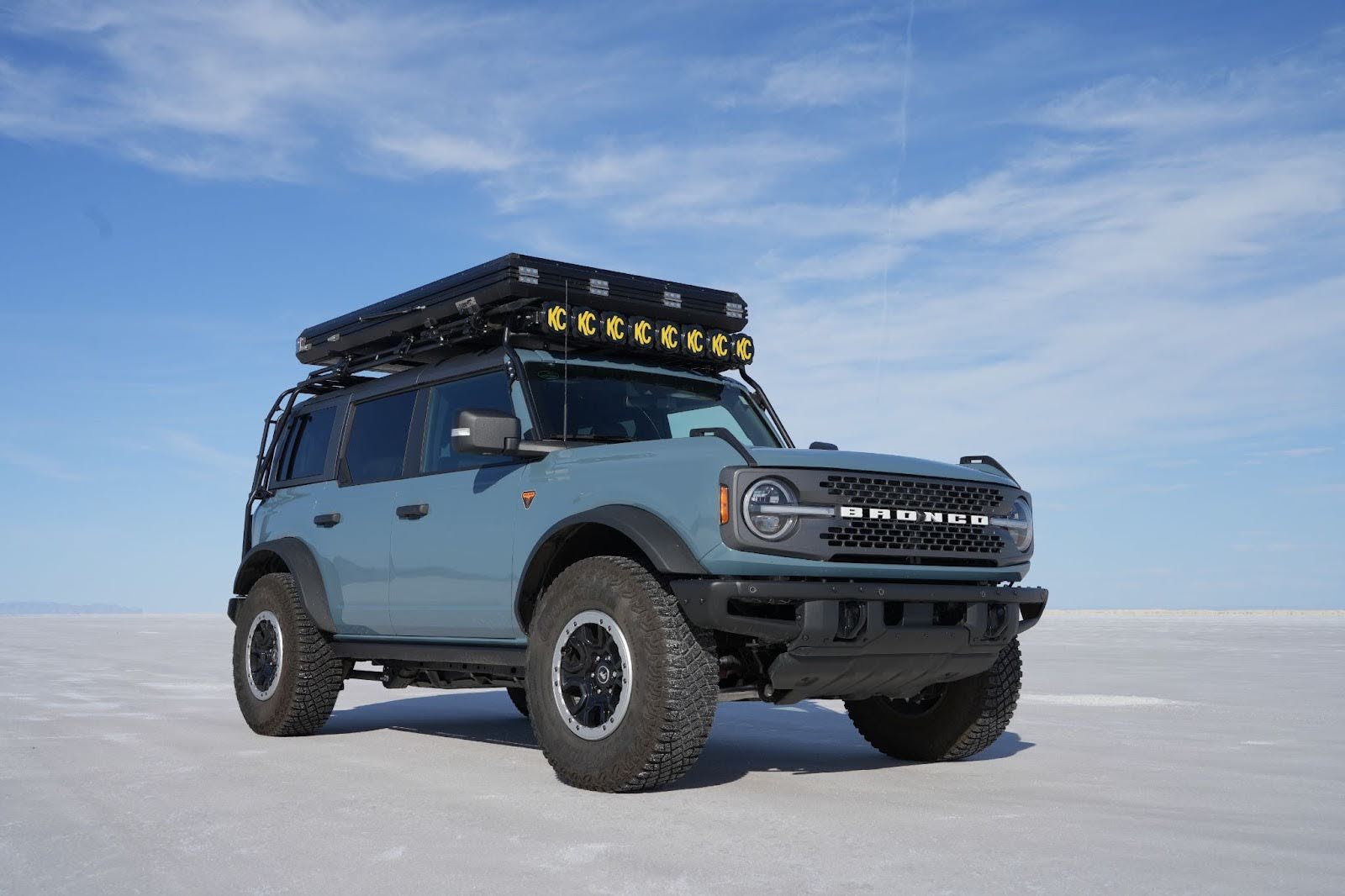
Key Differences Between Roof Rails and Roof Racks
While roof rails and roof racks may seem similar at first glance, they serve different purposes and have distinct characteristics. Understanding these differences is crucial for selecting the right option for your needs.
Functionality
The primary difference lies in their functionality:
- Roof Rails: Serve as a base for attaching roof racks and other accessories.
- Roof Racks: Designed to hold and secure cargo directly, providing a more versatile solution for transporting items.
Roof rails are typically designed to run parallel to the length of the vehicle’s roof, providing a streamlined look while enabling the attachment of various accessories such as bike racks, cargo boxes, or kayak holders. They are ideal for those who may not need to transport large items regularly but appreciate the option to do so when necessary. On the other hand, roof racks come in various configurations, including crossbars and specialized mounts, making them suitable for carrying everything from luggage to sporting equipment. This versatility is particularly beneficial for outdoor enthusiasts who require a reliable means of transporting gear for activities like camping, skiing, or cycling.
Installation and Compatibility
Installation and compatibility also differ between the two:
- Roof Rails: Typically factory-installed, making them a permanent feature of the vehicle.
- Roof Racks: Can be added or removed as needed, allowing for greater flexibility.
When considering installation, roof rails are often integrated into the vehicle’s design, which can enhance the overall aesthetic while providing a sturdy foundation for additional accessories. This integration can also mean that roof rails are tailored to fit specific vehicle models, ensuring optimal performance and safety. Conversely, roof racks are designed with adaptability in mind, allowing users to customize their setup based on their current needs. Many roof racks come with adjustable components, enabling them to fit a wide range of vehicles, making them a popular choice for those who may change vehicles or have multiple cars in the household.
Cost Considerations
Cost is another important factor to consider:
- Roof Rails: Generally less expensive than roof racks since they are often included with the vehicle.
- Roof Racks: Can vary widely in price depending on the brand, materials, and accessories included.
While roof rails might seem like a budget-friendly option, it’s essential to factor in the potential costs of accessories you may need to purchase separately. For instance, if you opt for roof rails, you may still need to invest in compatible roof racks or attachments to maximize their utility. Roof racks, while initially more expensive, can provide a better return on investment for those who frequently transport larger items. Additionally, the variety of roof rack systems available means that consumers can find options that fit their budget, whether they are looking for a basic model for occasional use or a high-end system designed for heavy-duty applications.
Choosing the Right Option for Your Needs
Deciding between roof rails and roof racks depends largely on individual needs and preferences. Here are some considerations to keep in mind:
Assess Your Cargo Requirements
Consider what types of items you plan to transport:
- If you frequently carry large or heavy items, a roof rack may be the better choice.
- For lighter loads or occasional use, roof rails may suffice.
Additionally, think about the frequency of your trips and the nature of your cargo. If you often embark on outdoor adventures, such as camping or biking, a roof rack can accommodate specialized attachments for kayaks, bikes, or cargo boxes. On the other hand, if your transport needs are more casual, such as occasional luggage for family vacations, roof rails can provide a simple and effective solution without the need for complex installations.
Evaluate Vehicle Compatibility
Not all vehicles come equipped with roof rails, and some may require specific roof racks to ensure a secure fit. Check your vehicle’s specifications and consult with manufacturers to determine compatibility.
It’s also important to consider the installation process. Some roof racks can be installed without professional help, while others may require drilling or special tools. If you’re not comfortable with DIY installations, you might want to factor in the cost of professional installation when evaluating your options. Furthermore, ensure the weight capacity of your vehicle’s roof is adequate for the load you intend to carry, as exceeding this limit can lead to safety issues.
Consider Your Budget
Budget constraints play a significant role in the decision-making process. Roof rails are often a more cost-effective solution, while roof racks can offer more versatility at a higher price point. Weigh the benefits against your budget to find the best fit.
Keep in mind that while the initial investment is important, you should also consider the long-term value. Higher-quality roof racks may come with warranties and better durability, which could save you money in the long run by reducing the need for replacements. Additionally, some roof racks offer modular designs that allow you to add or remove components as your needs change, providing flexibility that can be worth the extra cost. Always research different brands and read user reviews to ensure you’re making a wise investment that meets your specific needs.
Installation and Maintenance
Proper installation and maintenance are crucial for ensuring the longevity and effectiveness of both roof rails and roof racks.
Installation Tips
For those considering a roof rack installation, here are some tips:
- Follow the manufacturer’s instructions carefully to ensure a secure fit.
- Use the appropriate tools for installation, and double-check all connections.
- Consider professional installation if unsure about the process.
Maintenance Guidelines
Regular maintenance can extend the life of your roof rails and roof racks:
- Inspect for signs of wear or damage, especially after long trips.
- Clean the components regularly to prevent rust and corrosion.
- Ensure all connections are tight and secure before each use.
Safety Considerations
When transporting cargo on the roof of a vehicle, safety should be a top priority. Here are some key considerations:
Weight Limits
Both roof rails and roof racks come with weight limits that should never be exceeded. Exceeding these limits can lead to dangerous driving conditions and potential damage to your vehicle. Always check the manufacturer’s specifications for guidance.
Securing Your Load
Properly securing your cargo is essential to prevent shifting or falling during transit:
- Use appropriate straps or tie-downs to secure items to the roof rack.
- Ensure that all items are evenly distributed across the roof to maintain balance.
Visibility and Aerodynamics
Consider how your cargo may affect visibility and aerodynamics:
- Ensure that cargo does not obstruct the driver’s view.
- Be mindful of how added height may impact clearance in low spaces.
Popular Accessories for Roof Rails and Roof Racks
Enhancing the functionality of roof rails and roof racks can be achieved through various accessories. Here are some popular options:
For Roof Rails
- Cargo Boxes: Ideal for additional storage during road trips.
- Bicycle Racks: Perfect for transporting bikes securely.
For Roof Racks
- Kayak Carriers: Designed to hold kayaks securely during transport.
- Surfboard Racks: Specifically designed for transporting surfboards safely.
Conclusion
Understanding the differences between roof rails and roof racks is crucial for anyone looking to enhance their vehicle’s cargo capacity. While roof rails provide a sturdy foundation for various accessories, roof racks offer the versatility needed for transporting a wide range of items. By assessing your specific needs, vehicle compatibility, and budget, you can make an informed decision that best suits your lifestyle and transportation requirements.
Are you interested in purchasing a roof rack for your car? Check out GOBI Racks. They sell roof racks for various car models and brands, ensuring a perfect fit every time. Remember to view the Ranger Rack, as this rack comes with two removable crossbars, has a no-drill mounting system, and can hold 300 pounds comfortably. Place your order today!