




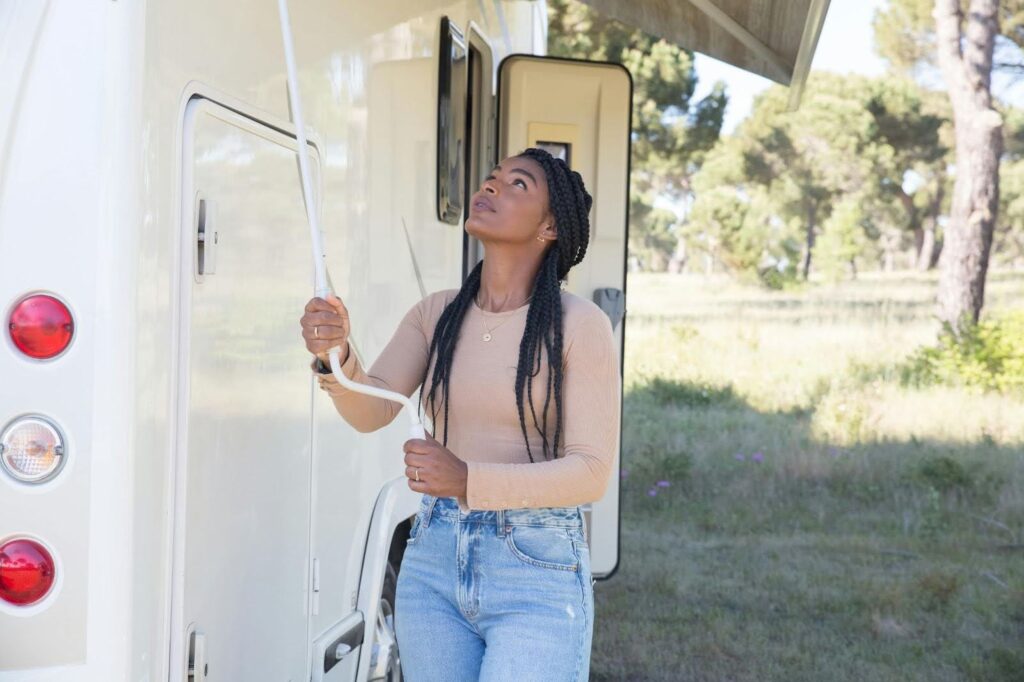
Installing an RV awning can significantly enhance your outdoor experience by providing shade and protection from the elements. Whether you are a seasoned traveler or a first-time RV owner, understanding the installation process is essential. This guide will walk you through everything you need to know about installing an RV awning, from choosing the right type to the final touches.
Understanding the Types of RV Awnings
Before diving into the installation process, it’s crucial to understand the different types of RV awnings available. Each type serves a unique purpose and comes with its own set of features.
Manual Awnings
Manual awnings are operated by hand, typically using a crank mechanism. They are generally more affordable and simpler to install compared to electric awnings. However, they require physical effort to set up and take down. Many RV owners appreciate the tactile experience of manually deploying their awnings, as it allows for a greater connection to the RV and the outdoor environment. Additionally, manual awnings often have fewer components that can fail, making them a reliable choice for those who enjoy a more hands-on approach to their camping experience.

Electric Awnings
Electric awnings offer convenience at the push of a button. They are ideal for those who prefer a hassle-free setup. While they tend to be more expensive, the ease of use can make them worth the investment for many RV enthusiasts. Electric awnings often come equipped with features such as wind sensors that automatically retract the awning in adverse weather conditions, providing peace of mind for the owner. Moreover, some models even include integrated LED lighting, enhancing the ambiance of your outdoor space during evening gatherings.
Retractable vs. Fixed Awnings
Retractable awnings can be rolled up when not in use, offering flexibility and protection from wind and storm damage. Fixed awnings, on the other hand, are permanently mounted and provide constant shade but may require more maintenance over time. Retractable awnings are particularly popular among RVers who travel frequently, as they can be easily stowed away to minimize wear and tear. Fixed awnings, while less versatile, can be customized with additional features such as side panels or screens, creating a more enclosed outdoor living area that can be enjoyed in various weather conditions. Understanding these distinctions can help RV owners make informed decisions that best suit their travel habits and lifestyle needs.
Gathering the Necessary Tools and Materials
Proper preparation is key to a successful installation. Before starting the installation process, ensure you have all the necessary tools and materials at hand. This streamlines the process and minimizes the chances of unexpected interruptions that could lead to mistakes or accidents.
Essential Tools
- Drill and drill bits
- Screwdriver
- Measuring tape
- Level
- Wrench set
- Stud finder
Each of these tools serves a specific purpose that contributes to the overall efficiency of your installation. For instance, a stud finder is crucial for locating the best points to secure your awning, ensuring it is anchored safely and securely to withstand various weather conditions. The level is equally important, as it guarantees that your awning is installed straight, preventing any potential water pooling or structural issues that could arise from a slanted installation.
Materials Required
- RV awning kit
- Mounting brackets
- Awning fabric (if not included)
- Sealant
- Safety glasses
When selecting your materials, it’s essential to choose high-quality components that are designed to withstand the rigors of outdoor use. The RV awning kit should ideally come with all necessary components, but if you find that certain items are missing, such as the awning fabric, be sure to select a durable, UV-resistant fabric that will enhance the aesthetic of your RV and provide long-lasting protection from the elements. Additionally, using a reliable sealant will help prevent water leaks and protect the integrity of your installation, ensuring your awning remains functional and visually appealing for years to come.
Preparing for Installation
Choosing the Right Location
Selecting the ideal location for your awning is critical. The awning should be installed on a flat surface, away from any obstructions like trees or power lines. Ensure the area is free from debris and that the RV is parked on level ground to facilitate accurate measurements. Additionally, consider the direction of the sun and prevailing winds; positioning the awning to provide optimal shade and protection from wind can enhance your outdoor experience. A well-placed awning can create a comfortable outdoor living space, perfect for enjoying meals or relaxing with a good book.
Measuring for the Awning
Accurate measurements will ensure that your awning fits perfectly. Measure the width of the area where the awning will be installed, typically the side of the RV. Take note of any protrusions or features that may affect the installation. It is also advisable to measure the height from the ground to the point where the awning will attach, as this will help in selecting the right model that accommodates your RV’s dimensions. Furthermore, consider the length of the awning; a longer awning may provide more shade but could also require additional support. Make sure to double-check your measurements, as even a small error can lead to complications during installation, resulting in a less-than-ideal fit.
Step-by-Step Installation Process
Now that preparations are complete, it’s time to dive into the installation process. Follow these steps carefully for a successful installation.
Step 1: Installing the Mounting Brackets
Begin by marking the locations for the mounting brackets based on your measurements. Use a level to ensure the brackets are straight. Drill pilot holes and attach the brackets securely using screws. Make sure they are firmly anchored to the RV’s structure. It’s advisable to choose a location that will allow the awning to extend fully without obstruction, so take a moment to visualize the awning’s deployment. Additionally, consider the height at which the brackets are installed; too low and the awning may not provide adequate shade, too high and it may be difficult to operate.
Step 2: Attaching the Awning Fabric
Once the brackets are in place, it’s time to attach the awning fabric. Carefully slide the fabric into the roller tube and ensure it is evenly distributed. Follow the manufacturer’s instructions for securing the fabric to the brackets. It’s essential to check for any twists or folds in the fabric as you work, as these can lead to complications when the awning is deployed. If your awning comes with a protective cover, now is the time to install it to shield the fabric from UV rays and weather damage when not in use.
Step 3: Securing the Awning Mechanism
With the fabric attached, secure the awning mechanism according to the instructions. This may involve tightening screws or bolts to ensure the awning is stable and functional. Double-check all connections to prevent any issues later. Pay special attention to the tension of the springs if your awning is equipped with a retractable mechanism; improper tension can lead to difficulties when extending or retracting the awning. It’s also a good idea to test the awning’s operation a few times to ensure everything is working smoothly before finalizing the installation.
Testing the Awning
After installation, it’s crucial to test the awning to ensure it operates correctly. This step will help identify any potential problems before hitting the road. A properly functioning awning enhances your outdoor experience and protects your vehicle from the elements, making it an essential part of your camping setup.
Manual Awning Testing
If you installed a manual awning, crank it open and close it a few times. Listen for any unusual noises and check for smooth operation. Make adjustments as necessary to ensure it functions properly. Pay attention to the tension in the fabric; it should be taut without any sagging, which could lead to water pooling or damage during inclement weather. Additionally, inspect the hardware for any signs of wear or corrosion, especially if your awning has been exposed to harsh conditions.
Electric Awning Testing
For electric awnings, activate the mechanism using the remote or switch. Observe the awning as it opens and closes, ensuring it operates smoothly without any hesitation. If there are issues, consult the troubleshooting section of the manual. It’s also wise to check the battery level if your awning is battery-operated, as a low charge can affect performance. Furthermore, ensure that the sensors, if equipped, are functioning correctly; these can prevent the awning from retracting in high winds or adverse weather, safeguarding your investment.
While testing, take note of the awning’s alignment with your vehicle. A well-aligned awning looks better and provides optimal shade and protection. If you notice any misalignment, make the necessary adjustments to the mounting brackets. Additionally, consider testing the awning under different conditions, such as varying wind speeds or angles, to fully assess its durability and reliability. Regular maintenance checks after your initial testing will help prolong the life of your awning, ensuring it remains a valuable asset for all your outdoor adventures.
Maintenance Tips for Your RV Awning
To prolong the life of your RV awning, regular maintenance is essential. Here are some tips to keep your awning in top condition.
Cleaning the Awning
Regular cleaning can prevent mildew and dirt buildup. Use a mild soap solution and a soft brush to clean the fabric. Rinse thoroughly and allow it to dry completely before retracting the awning. Additionally, consider using a specialized awning cleaner designed to eliminate stubborn stains and protect the fabric from UV damage. For those who frequently camp in areas with heavy pollen or dust, a quick rinse after each trip can help keep your awning looking fresh and new.
Inspecting for Damage
Periodically inspect the awning for any signs of wear or damage. Look for frayed edges, tears, or issues with the mechanism. Addressing these problems early can prevent costly repairs down the line. It’s also wise to check the mounting hardware and brackets for rust or corrosion, especially if you frequently travel in coastal areas. If you notice any loose screws or bolts, tighten them immediately to ensure your awning remains securely in place during use.
Seasonal Care
During the off-season, it’s advisable to store the awning properly. Retract it completely and cover it if possible to protect it from harsh weather conditions. This will help maintain its integrity for future use. If you live in an area with extreme temperatures, consider using a breathable cover that allows moisture to escape while keeping debris out. Furthermore, before the camping season begins, perform a thorough inspection and cleaning to ensure your awning is ready for all your outdoor adventures, allowing you to enjoy those sunny days under the shade without worry.
Common Issues and Troubleshooting
Awning Won’t Retract
If the awning fails to retract, check for obstructions in the mechanism. Ensure the fabric is not caught or tangled. If the issue persists, it may be a sign of a malfunctioning motor or a need for lubrication. In some cases, the issue could stem from a faulty remote control or a weak battery, so it’s wise to test these components before assuming a more significant mechanical failure. Additionally, inspecting the wiring for any signs of wear or damage can help identify electrical issues that might be causing the malfunction.
Fabric Tears or Rips
Minor tears can often be repaired with fabric patches or adhesive tape designed for outdoor use. For larger rips, consider replacing the fabric entirely to ensure durability and functionality. It’s also beneficial to regularly inspect the fabric for UV damage or signs of wear, as prolonged exposure to the sun can weaken the material over time. Investing in a protective cover when the awning is not in use can significantly extend the life of the fabric and reduce the likelihood of tears or fading.
Brackets or Mounts Loosening
Regularly check the mounting brackets for tightness. If they become loose, re-tighten them to prevent the awning from becoming unstable. If the RV’s structure has shifted, additional reinforcement may be necessary. Furthermore, consider the environment in which the RV is used; areas with high winds or heavy rainfall can exacerbate the loosening of brackets. Using lock washers or thread-locking adhesives can provide extra security, ensuring the awning remains firmly in place even under challenging weather conditions. Regular maintenance checks can help catch these issues early, preventing more significant repairs down the line.
Conclusion
Installing an RV awning can greatly enhance your outdoor living space, providing shade and comfort during your travels. By understanding the types of awnings, gathering the necessary tools, and following a systematic installation process, even beginners can successfully add this feature to their RV. Regular maintenance and troubleshooting will ensure your awning remains in excellent condition for years to come, allowing you to enjoy countless adventures under its shade.
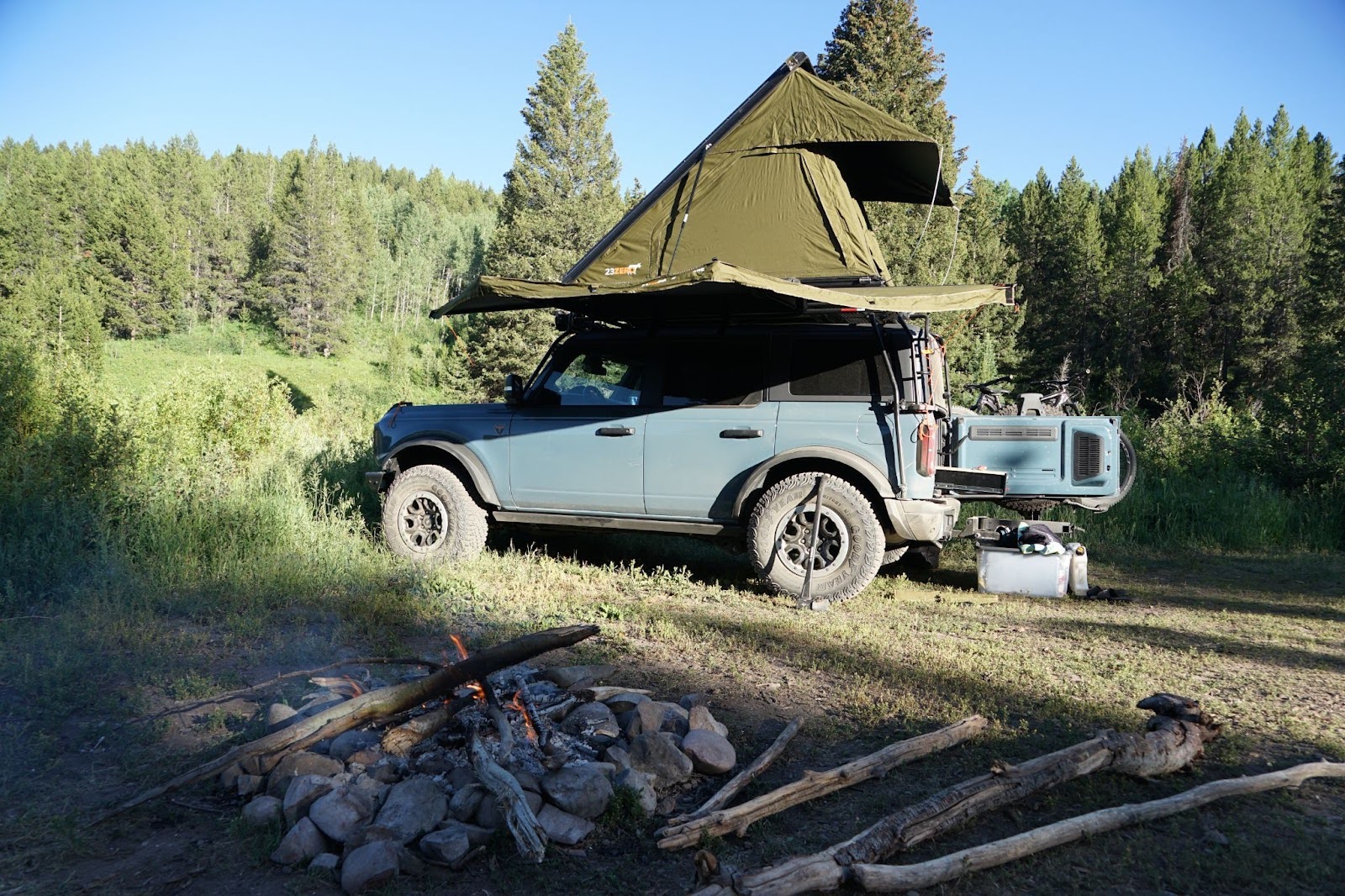
Are you looking for ways to enhance your vehicle so that it can hold an awning during road trips? Check out GOBI Racks. They sell roof racks for various car models and brands, ensuring a perfect fit every time. Remember to view the Stealth Rack, as this rack comes with two removable crossbars, has a no-drill mounting system, and can hold 300 pounds comfortably. Place your order today!