



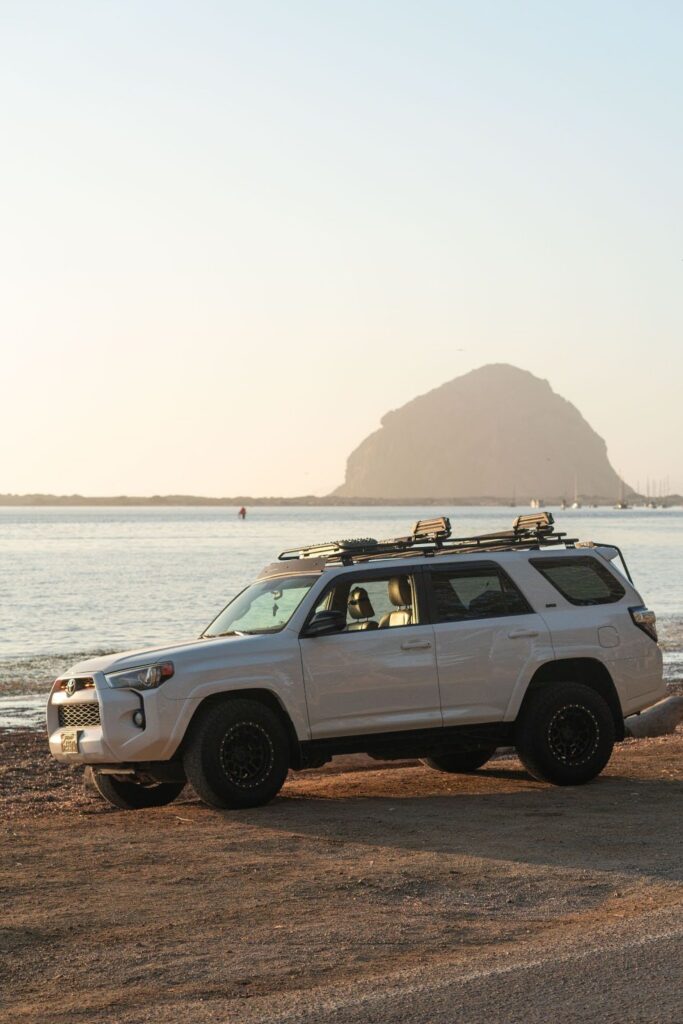
Transporting a kayak can be a thrilling adventure, but it also comes with its own set of challenges, particularly when it comes to safely attaching the kayak to a roof rack. Whether you are heading to a serene lake or a roaring river, ensuring your kayak is secured properly is crucial to prevent damage to both the kayak and your vehicle. With our help, you will learn essential tips and techniques to safely attach a kayak to a roof rack without causing any harm.
Understanding Your Roof Rack
Before diving into the process of attaching your kayak, it’s important to understand the different types of roof racks available and how they work. Roof racks can vary widely in design and functionality, and knowing your specific setup will make the attachment process smoother. Additionally, understanding the materials and construction of your roof rack can help you assess its durability and suitability for your kayaking adventures.
Types of Roof Racks
There are several types of roof racks designed for transporting kayaks, including:
- Crossbars: These are the most common type and consist of two bars that run horizontally across the roof of your vehicle. They are versatile and can be used with various accessories, making them a popular choice among outdoor enthusiasts.
- J-Craddle Racks: These racks hold the kayak on its side, which can reduce wind resistance and improve fuel efficiency. Their design enhances aerodynamics and allows for easy loading and unloading, making them a favorite for solo paddlers.
- Saddle Racks: These racks support the kayak’s hull and are ideal for longer trips. They provide a stable base that minimizes movement during transit, ensuring your kayak arrives safely at your destination.
Weight Capacity
Each roof rack has a specific weight capacity that should never be exceeded. Before loading your kayak, check the manufacturer’s specifications for your roof rack to ensure it can safely support the weight of your kayak and any additional gear. It’s also wise to consider the combined weight of your kayak, paddles, and any other equipment, as exceeding the weight limit can damage your roof rack and pose safety risks while driving.
In addition to weight capacity, it’s essential to distribute the weight evenly across the roof rack. An unbalanced load can lead to instability while driving, particularly during turns or sudden stops. Many roof racks come with adjustable features that allow you to customize the positioning of your kayak, ensuring it sits securely and evenly on your vehicle. Furthermore, using additional straps or tie-downs can provide extra security, preventing any unwanted movement during your journey.

Preparing Your Kayak for Transport
Proper preparation of your kayak is essential to ensure it remains undamaged during transport. Here are some steps to take before loading your kayak onto the roof rack.
Inspecting Your Kayak
Before attaching your kayak, it is crucial to inspect it for any existing damage. Look for:
- Cracks or dents in the hull
- Loose fittings or hardware
- Signs of wear on the paddles and other accessories
Address any issues before transport to avoid further damage. Additionally, check the bulkheads and hatches for proper sealing, as water intrusion during transport can lead to mold and mildew buildup. If you find any leaks, consider applying a marine-grade sealant to ensure a watertight fit. A thorough inspection prolongs the life of your kayak and enhances your safety on the water.
Cleaning Your Kayak
Cleaning your kayak helps maintain its condition and prevents dirt and debris from scratching your vehicle’s surface. Use a mild soap and water solution to clean the exterior, and make sure it is completely dry before loading it onto the roof rack. Pay special attention to the areas around the cockpit and footwells, as these spots often accumulate grime and can harbor bacteria if left uncleaned. After washing, consider applying a UV protectant to the hull to shield it from sun damage during transport and while it’s in storage.
Furthermore, don’t forget to check and clean any accessories that will be traveling with your kayak, such as life jackets, dry bags, and paddles. Ensuring these items are in good condition enhances your overall kayaking experience and promotes safety on the water. A quick inspection and cleaning session can save you from potential mishaps during your next adventure.
Attaching the Kayak to the Roof Rack
Now that you have prepared your kayak, it’s time to attach it to the roof rack. This process requires careful handling to prevent any damage to both the kayak and your vehicle. Ensuring that everything is secure protects your equipment and enhances safety while driving, as a loose kayak can lead to serious accidents on the road.
Using Padding and Straps
One of the most effective ways to protect your kayak during transport is by using padding and straps. Here’s how:
- Padding: Use foam pads or pool noodles on the crossbars to cushion the kayak and prevent scratches. This added layer of protection can make a significant difference, especially during long trips where vibrations and road bumps can cause wear and tear.
- Straps: Invest in high-quality cam buckle straps or ratchet straps that can securely hold the kayak in place. Make sure to check the weight capacity of the straps to ensure they can handle your kayak’s weight without risk of failure.
Loading the Kayak
When loading the kayak onto the roof rack, follow these steps:
- Position the kayak next to the vehicle.
- With assistance, lift the kayak onto the roof rack, ensuring the hull is facing down if using saddle racks.
- Center the kayak on the roof rack to maintain balance.
It’s important to check the weather conditions before loading your kayak. Windy days can make the process more challenging, so consider waiting for calmer weather or seeking help from a friend to ensure a smooth loading experience. Additionally, always double-check that the kayak is securely fastened before hitting the road. A quick tug on the straps can confirm that everything is tight and in place, giving you peace of mind as you embark on your adventure.
Once the kayak is secured, take a moment to inspect your vehicle’s roof rack system. Ensure that all components are in good condition, as wear and tear can compromise the safety of your load. If you notice any signs of damage or rust, it may be wise to replace those parts before your next outing. This proactive approach enhances safety and prolongs the life of your kayak and vehicle.
Securing the Kayak
Once the kayak is in place, securing it properly is essential to prevent movement during transport. Here are some techniques to ensure it is fastened securely.
Strapping Techniques
When strapping down the kayak, consider the following methods:
- Cross Strapping: Use two straps to create an ‘X’ shape over the kayak. This method provides extra stability.
- Side Strapping: Attach straps on either side of the kayak to hold it firmly against the roof rack.
Checking for Security
After strapping down the kayak, it’s important to check for security. Give the kayak a gentle shake to ensure it is firmly in place. If there is any movement, adjust the straps accordingly.
In addition to these methods, consider using cam buckle straps which allow for quick adjustments and provide a strong hold without the risk of over-tightening. These straps are particularly useful for securing kayaks with varying hull shapes, as they can conform to the contours of the kayak, ensuring a snug fit. Furthermore, using a bow and stern tie-down can add an extra layer of security, especially during long journeys or when driving at higher speeds. These tie-downs help to stabilize the kayak by anchoring it to the front and rear of the vehicle, minimizing the risk of it shifting or lifting off the roof.
It’s advisable to periodically check the straps during your trip, especially if you’re traveling over rough terrain or for an extended period. A quick stop to inspect the security of your kayak can save you from potential accidents or damage to both your kayak and vehicle. Additionally, consider using brightly colored straps or reflective materials, which can enhance visibility and remind you to check them before hitting the road. This small precaution can be particularly helpful in low-light conditions, ensuring your kayak remains safe and secure throughout your journey.
Driving with a Kayak on Your Roof Rack
Once your kayak is securely attached to the roof rack, it’s time to hit the road. However, driving with a kayak on your roof requires extra caution.
Speed Considerations
Driving with a kayak on the roof can affect your vehicle’s aerodynamics, so it’s advisable to maintain a moderate speed. Avoid sudden accelerations or sharp turns, as these can cause the kayak to shift. Additionally, be mindful of your vehicle’s handling; a kayak can create extra wind resistance, which may affect your braking distance and overall control. It’s a good idea to familiarize yourself with the height of your vehicle plus the kayak, especially when navigating under bridges or through drive-thrus.
Regular Checks During Travel
During long trips, it’s wise to make regular stops to check the security of the kayak. This is especially important after driving over bumpy roads or during windy conditions. If you notice any looseness in the straps, stop to readjust them. Furthermore, keep an eye on the weather conditions; sudden gusts of wind can catch your kayak unexpectedly, so being vigilant can prevent accidents. It’s beneficial to have a friend or fellow paddler accompany you on long journeys, as they can assist in monitoring the kayak and help with any necessary adjustments along the way. Remember, a little extra attention can go a long way in ensuring a safe and enjoyable trip to your next paddling destination.
Unloading the Kayak
Once you reach your destination, unloading the kayak requires just as much care as loading it. Follow these steps to ensure a safe and damage-free unloading process.
Removing the Straps
Before attempting to lift the kayak off the roof rack, carefully remove the straps. Start with the side straps, followed by the cross straps. Be cautious as the kayak may shift slightly once the straps are removed. It’s a good idea to inspect the straps for any signs of wear and tear before putting them away, as this can help prevent future accidents. Additionally, consider using a strap organizer to keep your gear tidy and easily accessible for your next adventure.
Lowering the Kayak
With assistance, lower the kayak off the roof rack. It’s best to have one person on each end to maintain control and prevent any accidental drops. Place the kayak on a soft surface, such as grass or a padded mat, to avoid scratches. Once the kayak is down, take a moment to check for any damage or scratches that may have occurred during transport. This is also a great time to clean the kayak, removing any dirt or debris that may have accumulated on the journey. Keeping your kayak in pristine condition enhances its longevity and ensures a better experience on the water during your next outing.
Preparing for Launch
After unloading, it’s essential to prepare the kayak for launch. First, check the water conditions and ensure the area is safe for entry. If you’re at a public launch site, be mindful of other kayakers and boaters. Next, load your gear into the kayak, distributing the weight evenly to maintain balance while paddling. Consider packing a dry bag for your valuables and snacks, and ensure all safety equipment, such as life jackets and whistles, is easily accessible. This preparation enhances your safety and contributes to a more enjoyable kayaking experience.

Maintaining Your Roof Rack and Kayak
Proper maintenance of both your roof rack and kayak is essential for their longevity. Here are some tips to keep everything in top condition.
Cleaning and Inspection
After each use, clean your roof rack to remove any dirt or debris. Inspect the straps and padding for wear and tear, replacing them as necessary. Regular maintenance will ensure that both the kayak and roof rack remain in good condition.
Storage Tips
When not in use, store your kayak in a cool, dry place away from direct sunlight. Consider using a kayak storage rack or hanging it to prevent warping. For the roof rack, remove it if possible when not in use to prevent any potential damage to your vehicle.
Common Mistakes to Avoid
Even experienced kayakers can make mistakes when it comes to attaching a kayak to a roof rack. Here are some common pitfalls to avoid:
Overloading the Roof Rack
Exceeding the weight limit of your roof rack can lead to serious damage. Always adhere to the manufacturer’s guidelines regarding weight capacity.
Neglecting to Check Straps
Failing to regularly check the security of the straps can lead to accidents on the road. Make it a habit to inspect the straps at each stop during your journey.
Conclusion
Attaching a kayak to a roof rack safely requires careful planning and execution. By understanding your roof rack, preparing your kayak, and following proper loading and securing techniques, you can ensure a smooth and damage-free transport experience. With these tips in mind, adventurers can hit the water with confidence, knowing that their kayak is securely fastened and ready for action.
Are you looking for a roof rack to place your kayak on? Check out GOBI Racks. They sell roof racks for various car brands and models, ensuring a proper fit every time. Remember to view the Stealth Rack, as this rack comes with two removable crossbars, has a no-drill mounting system, and can hold 300 pounds comfortably. Place your order today!