


A roof rack light bar can be an invaluable addition to any vehicle when it comes to enhancing visibility during nighttime adventures or off-road excursions. However, with a plethora of options available, selecting the right light bar can be a daunting task. We will help guide you through the essential factors to consider when choosing a roof rack light bar, ensuring you make an informed decision.
Understanding Light Bar Basics
Before diving into the specifics of what to look for, it’s important to understand the basic components and functionality of light bars. Generally, a roof rack light bar consists of multiple LED lights housed in a durable casing that provide superior illumination for various activities. These light bars are essential for enhancing visibility during nighttime driving and serve as a safety feature, helping to prevent accidents in low-light conditions. The construction materials often include aluminum or polycarbonate, which ensures longevity and resistance to harsh weather conditions, making them suitable for both urban and rugged environments.
Types of Light Bars
Light bars come in several types, each tailored to different needs and preferences. The most common types include:
- Single Row Light Bars: These are sleek and compact, making them ideal for vehicles with limited roof space. They are often favored for their low-profile design, which minimizes wind resistance and noise.
- Double Row Light Bars: Offering more light output, these bars are perfect for those who require maximum visibility. The dual rows of LEDs can provide a more concentrated beam, making them suitable for both on-road and off-road adventures.
- Curved Light Bars: These provide a wider beam pattern, which is beneficial for off-road driving. The curvature allows for better peripheral illumination, ensuring obstacles on the sides of the vehicle are more visible.

Light Output and Brightness
The brightness of a light bar is measured in lumens. A higher lumen count typically indicates a brighter light. When selecting a light bar, consider the following:
- For general use, a light bar with 2,000 to 5,000 lumens is usually sufficient. This range is ideal for everyday driving and can effectively light up dark roads or trails.
- For off-road or professional applications, look for options that exceed 10,000 lumens. Such high-output light bars are designed to illuminate vast areas, making them essential for activities like night-time trail riding or search and rescue operations.
Additionally, the color temperature of the light can significantly impact visibility. Light bars typically emit a color temperature ranging from 3,000K (warm white) to 6,500K (cool white). While warmer lights can be easier on the eyes and provide better contrast in foggy conditions, cooler lights are often preferred for their ability to penetrate darkness and enhance visibility. It’s worth noting that some light bars offer adjustable brightness settings, allowing users to customize their illumination based on specific situations, whether it be for navigating through dense woods or simply cruising down a highway.
Durability and Build Quality
Given that light bars are often exposed to harsh conditions, durability is a crucial factor. A high-quality light bar should be constructed from robust materials that can withstand impacts, vibrations, and weather elements. This durability ensures the longevity of the light bar itself and guarantees consistent performance in critical situations, such as off-roading or emergency response scenarios.
Material Considerations
Most light bars are made from either aluminum or polycarbonate. Each material has its advantages:
- Aluminum: Lightweight and corrosion-resistant, aluminum is a popular choice for its strength and longevity. Its ability to dissipate heat effectively also enhances the performance of the LEDs, ensuring they operate efficiently without overheating.
- Polycarbonate: This material is highly impact-resistant, making it ideal for rugged environments. Polycarbonate light bars can endure significant shocks and are less likely to shatter, making them a preferred option for those who frequently navigate rough terrains.
IP Rating
The Ingress Protection (IP) rating indicates how well a light bar can resist dust and water. A higher IP rating means better protection. Look for light bars with an IP67 or IP68 rating, which signifies complete dust tightness and protection against temporary submersion in water. This is particularly important for users who operate in environments where exposure to rain, mud, or snow is common, as it ensures the light bar will function reliably regardless of the weather conditions.
In addition to the IP rating, the overall design of the light bar is worth considering. Features such as sealed connectors and protective housing can further enhance durability. Some manufacturers incorporate additional protective coatings or treatments that resist UV rays and prevent fading, ensuring the light bar maintains its aesthetic appeal over time. Investing in a light bar with these features can save you from frequent replacements and maintenance, making it a wise choice for both casual and professional users.
Beam Patterns and Angles
Different beam patterns serve various purposes, and understanding these can significantly enhance your driving experience. The two primary types of beam patterns are:
Flood vs. Spot Beams
Flood beams provide a wide spread of light, illuminating a broad area, which is useful for general visibility. Spot beams, on the other hand, focus light into a narrow beam, allowing for long-distance visibility. Some light bars also offer a combination of both, providing versatility for different driving conditions. This hybrid approach is particularly advantageous for off-road enthusiasts who may encounter varying environments, from dense forests to open fields, where both close-range and long-range visibility are crucial. Additionally, the color temperature of the light emitted can influence visibility; warmer tones are often better for foggy conditions, while cooler tones can enhance clarity in clear weather.
Adjustability
Some light bars come with adjustable mounts, allowing users to change the angle of the lights. This feature can be particularly beneficial when navigating uneven terrain or changing driving conditions. Being able to tilt or rotate the light bar can help direct the beam exactly where it’s needed, whether that’s illuminating a rocky path ahead or casting light on the sides to spot potential obstacles. Furthermore, certain advanced models incorporate electronic adjustments, enabling drivers to modify the angle from within the vehicle, enhancing convenience and safety. This adaptability improves visibility and reduces glare for oncoming traffic, making it a responsible choice for nighttime driving.
Installation and Compatibility
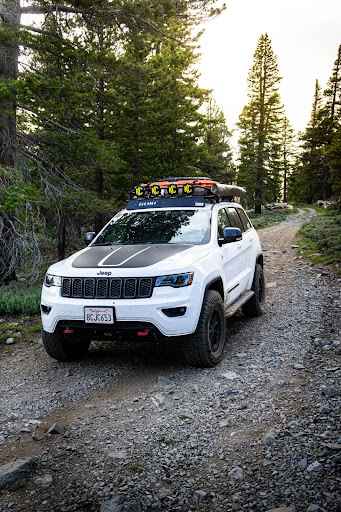
Before purchasing a light bar, it’s essential to ensure it is compatible with your vehicle’s roof rack. Installation should be straightforward, ideally requiring minimal tools and expertise. Many manufacturers provide detailed installation guides, often accompanied by video tutorials, which can be incredibly helpful for DIY enthusiasts. Additionally, some light bars are designed to be plug-and-play, meaning they can be installed without any modifications to the vehicle, making them a great choice for those who may not have extensive mechanical skills.
Mounting Options
Check the mounting options available with the light bar. Some bars come with brackets and hardware, while others may require additional purchases. Ensure the mounting system is robust enough to withstand vibrations and impacts. It’s also worth considering the placement of the light bar; for example, a higher mounting position can improve visibility but may require a more complex installation. Furthermore, some light bars offer adjustable mounting brackets, allowing you to customize the angle and orientation for optimal light distribution, which can be particularly useful for off-road driving or specific lighting needs.
Wiring and Electrical Considerations
Proper wiring is crucial for the functionality of a light bar. Look for light bars that include a wiring harness and switch. Additionally, consider whether the light bar is compatible with your vehicle’s electrical system, particularly if you have a newer model with advanced electrical features. It’s important to check the power requirements of the light bar; some high-performance models may draw significant current, necessitating an upgrade to your vehicle’s electrical system or battery. Moreover, consider the placement of the switch—whether you prefer a discreet installation or a more accessible location for quick operation. If you’re not comfortable with electrical work, consulting a professional for installation can ensure everything is set up correctly and safely, preventing potential issues down the line.
Price and Warranty
Price is often a decisive factor when selecting a roof rack light bar. While it’s tempting to opt for the cheapest option, investing in a quality light bar can save money in the long run due to durability and performance. Cheaper models may compromise on essential features such as brightness, beam pattern, and lifespan, which can lead to additional costs for replacements or repairs. Therefore, understanding the long-term value of a well-made light bar is crucial for any buyer.
Budgeting for Quality
Light bars can range from budget-friendly options to high-end models. It’s advisable to set a budget that allows for a balance between quality and affordability. A mid-range light bar often provides the best value, offering reliable performance without breaking the bank. When budgeting, consider the initial purchase price and the potential costs associated with installation and maintenance. Investing a bit more upfront can lead to lower maintenance costs and a longer lifespan, ultimately making it a more economical choice.
Warranty and Support
Always check the warranty offered by the manufacturer. A good warranty indicates the manufacturer’s confidence in their product. Look for warranties that cover both parts and labor, as this can provide peace of mind in case of defects or issues. Additionally, consider the available customer support options. A responsive support team can assist with installation questions, troubleshooting, and warranty claims, enhancing your overall experience with the product. Some manufacturers even offer extended warranties or satisfaction guarantees, which can be a testament to their commitment to quality and customer satisfaction.
Furthermore, it’s beneficial to read customer reviews and testimonials regarding the warranty service. Many users share their experiences with the claims process, which can give you insight into how the company handles issues and whether they stand by their products. A manufacturer known for excellent customer service can make a significant difference, especially when you encounter unexpected challenges with your light bar. This level of support can transform a potentially frustrating situation into a hassle-free experience, allowing you to enjoy your investment with confidence.
Brand Reputation and Reviews
Researching brand reputation and customer reviews can provide valuable insights into the performance and reliability of different light bars. Brands with a history of quality and customer satisfaction are often safer choices.
Community Feedback
Online forums and social media platforms can be excellent resources for gathering feedback from other users. Look for reviews that discuss real-world performance, durability, and ease of installation. Pay attention to any recurring issues mentioned by multiple users.
Expert Recommendations
Consulting with automotive experts or professionals in off-road communities can also yield useful recommendations. These individuals often have firsthand experience with various products and can guide you toward reliable options.
Legal Considerations
Before installing a roof rack light bar, it’s essential to be aware of local laws and regulations regarding vehicle lighting. Some jurisdictions have specific rules regarding the use of auxiliary lights, including restrictions on brightness and color.
Understanding Local Regulations
Research the laws in your area to ensure your light bar complies with regulations. This may include restrictions on the use of certain colors, such as blue or red, which may be reserved for emergency vehicles.
Installation Compliance
Improper installation can also lead to legal issues. Ensure the light bar is mounted correctly and does not obstruct the driver’s view or violate any safety standards.
Additional Features to Consider
Many modern light bars have additional features that can enhance functionality and usability, and these features can vary widely between models and brands.
Remote Control and Smart Features
Some light bars offer remote control capabilities, allowing users to operate the lights from a distance. This feature can be particularly useful for off-road enthusiasts who need to adjust lighting quickly without leaving the vehicle.
Color Options
While white light is the most common, some light bars offer color-changing options. This can be useful for different driving conditions or personal preferences. However, ensure any colored lights comply with local regulations.
Maintenance and Care
Regular maintenance is essential to ensure the longevity and performance of a roof rack light bar. Proper care can help prevent issues and prolong the product’s life.
Cleaning and Inspection
Regularly inspect the light bar for any signs of damage or wear. Cleaning the lenses can also improve visibility and performance. Use a soft cloth and mild soap to avoid scratching the surface.
Storage and Protection
If the light bar is not used frequently, consider storing it in a protective case or covering it to prevent exposure to the elements. This can help maintain its functionality and appearance over time.
Smarter Lighting for Safer Rides
Choosing the right roof rack light bar involves careful consideration of various factors, including durability, brightness, beam patterns, and legal compliance. By taking the time to research and evaluate options, individuals can select a light bar that meets their needs and enhances their driving experience. Investing in quality and understanding the specific requirements for your vehicle will ultimately lead to a more satisfying and safe adventure.
Need a dependable roof rack light bar setup? GOBI Racks has you covered with rugged roof racks, ladders, lighting gear, and more—engineered for performance and style. Equip your vehicle today and drive with confidence!