




Overlanding is more than just a mode of travel; it’s a lifestyle that combines adventure, exploration, and the great outdoors. We will provide you with a comprehensive overview of overlanding, including its definition, essential gear, and tips on how to embark on your first journey.
Understanding Overlanding
At its core, overlanding refers to self-reliant travel to remote destinations where the journey is the primary goal. Unlike traditional road trips, overlanding often involves traversing unpaved roads and rugged terrains, making it a unique form of adventure travel. This type of exploration tests the limits of the vehicle and the resilience and adaptability of the traveler, creating a profound sense of accomplishment upon reaching the destination.
The Essence of Overlanding
Overlanding is characterized by its emphasis on exploration and self-sufficiency. Travelers often use vehicles designed for off-road conditions, allowing them to access remote areas that are off the beaten path. This form of travel encourages a deeper connection with nature and often involves camping, hiking, and other outdoor activities. The experience of sleeping under a canopy of stars, cooking meals over an open fire, and waking up to the sounds of nature is a transformative aspect of overlanding that many enthusiasts cherish.
Key Elements of Overlanding
- Self-Reliance: Overlanders must be prepared for various challenges, including mechanical issues, weather changes, and navigation difficulties. This preparation often includes carrying essential tools, spare parts, and a well-thought-out emergency plan, ensuring they can handle unexpected situations with confidence.
- Adventure: The thrill of discovering new places and experiencing different cultures is a significant draw for many overlanders. Each journey presents an opportunity to encounter breathtaking landscapes, from towering mountains to serene deserts, and to meet locals whose stories enrich the travel experience.
- Community: Overlanding has a robust community of enthusiasts who share tips, experiences, and support. Online forums, social media groups, and local meetups provide platforms for overlanders to connect, exchange advice on gear and routes, and plan group expeditions, fostering a sense of camaraderie among those who share a passion for adventure.
Moreover, the overlanding community often emphasizes the importance of responsible travel. Many overlanders are advocates for Leave No Trace principles, promoting sustainable practices that protect the natural environments they explore. This commitment to conservation ensures that future generations can enjoy the same breathtaking landscapes and cultural experiences that inspire today’s adventurers. As a result, overlanding serves as a personal journey and as a means of fostering respect and stewardship for the planet.
In addition to the physical challenges, overlanding presents an opportunity for personal growth. Travelers often find themselves stepping outside their comfort zones, whether it’s navigating through challenging terrains, learning new skills like off-road driving, or adapting to unfamiliar cultures. These experiences can lead to increased confidence, resilience, and a broader perspective on life, making overlanding not just a journey through remote landscapes but also a journey of self-discovery.
Getting Started with Overlanding
Embarking on an overlanding adventure can be exhilarating yet daunting. Here are some fundamental steps to help you get started on your journey:
Choosing the Right Vehicle
Your choice of vehicle is crucial in overlanding. While many opt for SUVs or trucks, the best vehicle for you depends on your intended destinations and personal preferences. Consider the following:
- Off-Road Capability: Look for vehicles with four-wheel drive and good ground clearance.
- Space: Ensure there is enough room for passengers and gear.
- Fuel Efficiency: A vehicle that consumes less fuel can save you money on long trips.
Additionally, think about the vehicle’s reliability and maintenance history. A well-maintained vehicle can mean the difference between a smooth journey and a frustrating breakdown in the middle of nowhere. Research models known for their durability and consider investing in upgrades such as skid plates or suspension enhancements, which can significantly improve your vehicle’s performance on rugged terrain. It’s also wise to join overlanding forums or local clubs where you can gather insights from seasoned adventurers about their vehicle choices and modifications.

Essential Gear for Overlanding
Having the right gear can make or break your overlanding experience. Below is a list of essential items to consider:
| Category | Essential Items
|
|---|---|
| Camping Gear | Tent, sleeping bag, cooking equipment, portable stove |
| Navigation | GPS device, maps, compass |
| Safety | First aid kit, fire extinguisher, emergency blanket |
| Tools | Multi-tool, tire repair kit, portable air compressor |
In addition to the essentials listed, consider investing in a quality recovery kit, which can include items like a winch, recovery straps, and shackles. These tools can be invaluable if you find yourself stuck in mud or sand. Moreover, don’t overlook the importance of proper lighting; LED lights or portable lanterns can enhance your campsite experience and ensure safety during nighttime activities. Lastly, packing a few comfort items, such as a portable hammock or a good book, can make your downtime more enjoyable after a long day of driving and exploring.
Planning Your Overlanding Trip
Proper planning is essential for a successful overlanding experience. Here are some tips to help you prepare for your journey:
Research Your Route
Before hitting the road, conduct thorough research on your intended route. Consider the following:
- Road Conditions: Check for any road closures or challenging terrains.
- Weather: Be aware of the weather conditions in the areas you will be traveling through.
- Points of Interest: Identify campsites, landmarks, and attractions along the way.
In addition to these factors, it’s wise to familiarize yourself with the local culture and customs of the regions you will be traversing. Understanding the local etiquette can enhance your interactions with residents and fellow travelers. For instance, some areas may have specific practices regarding waste disposal or noise levels that are important to respect. Furthermore, consider downloading offline maps or using GPS devices that are reliable in remote areas, as cell service may be spotty.
Permits and Regulations
Many overlanding routes require permits or have specific regulations. Ensure you are aware of any necessary permits for camping or traveling through certain areas. This can prevent unexpected fines or disruptions during your trip.
Additionally, check for any seasonal restrictions that might affect your travel plans. Some parks or natural reserves may have limited access during certain times of the year due to wildlife migrations or weather-related closures. Joining online forums or social media groups dedicated to overlanding can also provide valuable insights from experienced travelers who can share their knowledge about navigating these regulations and offer tips on obtaining permits efficiently.
Safety Considerations in Overlanding
Safety should always be a top priority when overlanding. Here are some crucial considerations to keep in mind:
Vehicle Maintenance
Regular maintenance of your vehicle is vital for a smooth journey. Before departing, check:
- Oil levels
- Tire pressure and tread
- Brakes and lights
In addition to these basic checks, it’s wise to inspect your vehicle’s battery health, as a failing battery can leave you stranded in remote locations. Ensure your coolant levels are adequate to prevent overheating, especially in warmer climates. Furthermore, consider equipping your vehicle with a reliable spare tire and the necessary tools for a quick change, as well as a basic toolkit for minor repairs that may arise during your travels. A well-prepared vehicle enhances your safety and boosts your confidence on the road.
Emergency Preparedness
Being prepared for emergencies can significantly enhance your safety. Pack a comprehensive first aid kit, and consider bringing:
- A satellite phone or emergency beacon
- Extra food and water supplies
- A map and compass for navigation
Moreover, it’s essential to familiarize yourself with the areas you plan to traverse. Research local wildlife and potential hazards, such as flash floods or rock slides, which could impact your journey. Carrying a multi-tool can be invaluable for various situations, from fixing gear to preparing food. Additionally, consider joining an overlanding community or forum where you can share experiences and gain insights from seasoned travelers. This network can provide real-time information about road conditions and safety tips, further enhancing your preparedness for any unexpected challenges you may encounter on the trail.
Overlanding Etiquette and Best Practices
Respecting the environment and fellow travelers is crucial in the overlanding community. Here are some best practices to follow:
Leave No Trace
Adhering to the Leave No Trace principles helps preserve the natural beauty of the outdoors. Always:
- Pack out what you pack in
- Stay on designated trails
- Minimize campfire impact
In addition to these principles, it’s important to consider the impact of your vehicle on the environment. Overlanding often takes you to remote areas where the land is fragile. By choosing to drive only on established roads and avoiding off-trail driving, you can help prevent soil erosion and protect sensitive habitats. Moreover, consider using eco-friendly products for cleaning and maintenance, as these can minimize your ecological footprint and contribute to the preservation of the natural surroundings.
Respect Wildlife and Local Communities
When overlanding, it’s essential to respect wildlife and the local communities you encounter. This includes:
- Observing animals from a distance
- Engaging with local cultures in a respectful manner
- Supporting local businesses when possible
Furthermore, understanding local customs and regulations can greatly enhance your experience and foster goodwill. Before visiting a new area, take the time to research the cultural norms and expectations of the local population. This shows respect and enriches your journey, allowing for meaningful interactions and learning opportunities. Additionally, when you support local artisans and markets, you contribute to the sustainability of the community, ensuring your travels have a positive impact on the places you explore.
Types of Overlanding Experiences
Overlanding can take many forms, each offering unique experiences. Here are a few popular types:
Camping Overland
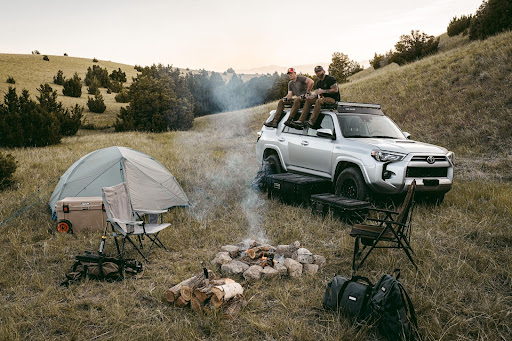
This type of overlanding focuses on camping in remote locations. Travelers often set up camp in picturesque spots, allowing for a deeper connection with nature. Essential gear includes tents, sleeping bags, and cooking equipment.
Expedition Overland
For those seeking a more adventurous experience, expedition overlanding involves longer journeys that may span weeks or months. This type often requires more extensive planning and specialized gear, such as recovery equipment and advanced navigation tools.
Family Overlanding
Family overlanding is a great way to bond with loved ones while exploring the outdoors. It often involves more comfortable accommodations and activities suitable for all ages. Planning family-friendly routes and ensuring safety is paramount in this type of overlanding.
Finding Overlanding Communities and Resources
Connecting with fellow overlanders can enrich your experience. Here are some resources to help you find communities and information:
Online Forums and Social Media
Many online platforms cater to overlanding enthusiasts. Joining forums or social media groups can provide valuable insights, tips, and camaraderie. Look for platforms that focus on overlanding, camping, and adventure travel.
Overlanding Events and Gatherings
Attending overlanding events or gatherings can be an excellent way to meet like-minded individuals. These events often feature workshops, demonstrations, and opportunities to share experiences. Check local listings or online communities for upcoming events.
Adventure Starts Here
Overlanding offers a unique way to explore the world while embracing adventure and self-reliance. By understanding the fundamentals of overlanding, selecting the right gear, and planning your trips carefully, anyone can embark on a rewarding journey. Whether you are a seasoned traveler or a newcomer, the open road awaits, ready to unveil the beauty of the great outdoors.
Getting your vehicle trail-ready? GOBI Racks has you covered. From durable roof racks and ladders to versatile gear bags, their accessories are designed to boost both function and form. Take a look at the Ranger Rack—it features a no-drill mounting system, and a static max load capacity that easily holds up to 800 lbs. The black powder coating and anti-rust undercoat provide years of on- and off-road heavy-duty utility. Upgrade your setup and hit the trail with confidence. Order now!