




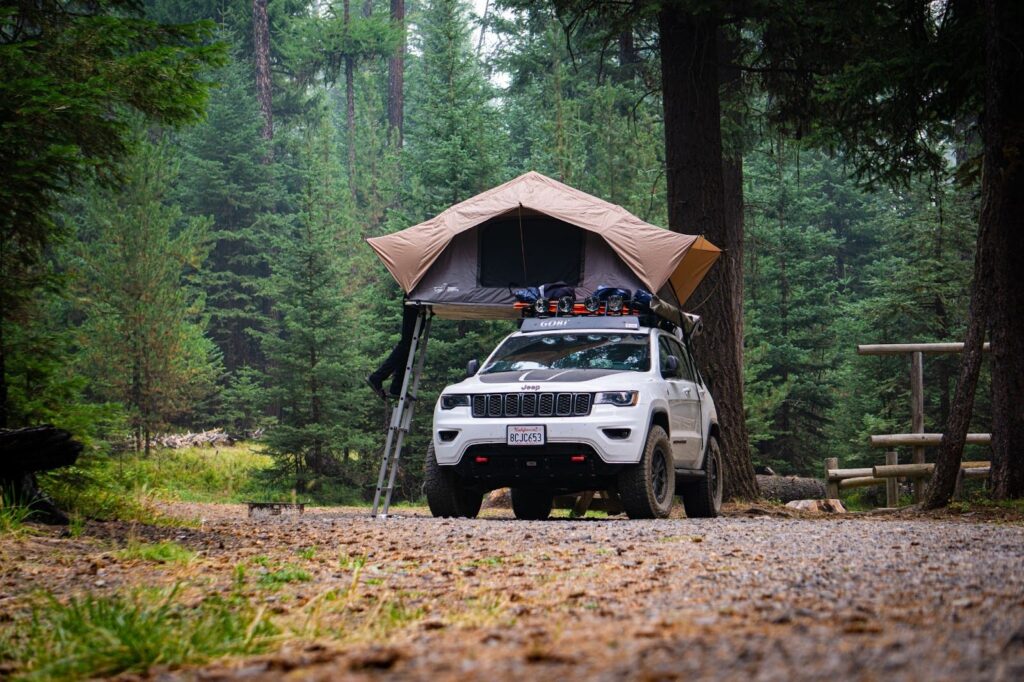
Camping is a beloved pastime for many, offering a chance to escape the hustle and bustle of everyday life and immerse oneself in nature. However, the key to a successful camping trip lies in being well-prepared. This ultimate camping checklist will help ensure that you have all the essential gear you need for every adventure, whether you’re heading out for a weekend getaway or an extended trek into the wilderness.
Essential Camping Gear
Before diving into the specifics of camping gear, it’s important to understand the basic categories of equipment that every camper should consider.
Tents and Shelters
A reliable tent is arguably the most important piece of camping gear. It provides shelter from the elements and a comfortable place to sleep. When selecting a tent, consider the following:
- Size: Ensure the tent can accommodate the number of people camping.
- Weather Resistance: Look for tents that can withstand rain and wind.
- Setup: Choose a tent that is easy to pitch, especially if you’re a novice camper.
In addition to tents, consider bringing a tarp for extra ground cover, a hammock for relaxation, or a canopy for shade during the day. A well-chosen tent can enhance your camping experience by providing a cozy retreat after a long day of hiking or exploring. Many modern tents come equipped with features such as built-in storage pockets, vestibules for gear, and integrated lighting systems. These conveniences can make a significant difference in your overall comfort and organization while camping.

Sleeping Gear
Comfortable sleep is crucial when camping. Invest in quality sleeping gear to ensure a good night’s rest. Key items include:
- Sleeping Bag: Choose a sleeping bag rated for the temperatures you expect to encounter.
- Sleeping Pad: This provides insulation and cushioning from the ground.
- Pillow: A travel pillow or stuff sack filled with clothes can work in a pinch.
Additionally, consider the benefits of a sleeping bag liner, which can add warmth and keep your bag clean. For those who prefer a more luxurious experience, an air mattress can provide an excellent alternative to traditional sleeping pads, offering a more cushioned surface to rest on. Don’t forget to bring a cozy blanket for those chilly nights by the campfire, as well as earplugs or a sleep mask if you’re sensitive to noise or light.
Cooking Equipment
Cooking while camping can be a delightful experience, but it requires some planning. Essential cooking gear includes:
- Portable Stove: A compact camp stove is essential for cooking meals.
- Cookware: Lightweight pots, pans, and utensils are a must.
- Cooler: Keep perishables fresh with a reliable cooler.
Don’t forget to bring along a lighter or waterproof matches for starting fires, as well as a multi-tool for various tasks. Beyond the basics, consider packing a small spice kit to elevate your meals and a portable coffee maker or French press for that much-needed caffeine fix in the morning. Meal planning is key; pre-prepping some ingredients can save time and hassle at the campsite. Think about easy-to-cook meals that require minimal cleanup, such as foil packet dinners or one-pot recipes, which can make your outdoor cooking experience both enjoyable and efficient.
Clothing and Footwear
Choosing the right clothing and footwear can make or break a camping trip. The weather can change quickly in the great outdoors, so layering is key. Not only does proper clothing enhance your comfort, but it also plays a crucial role in your safety and overall enjoyment of the experience. Understanding the environment you’ll be in and preparing accordingly can mean the difference between a memorable adventure and a miserable ordeal.
Layering Essentials
When it comes to clothing, layering allows for flexibility. Here are some essential layers to consider:
- Base Layer: Moisture-wicking shirts and thermal underwear keep you dry and warm. Look for fabrics like Merino wool or synthetic blends that help regulate body temperature while also minimizing odor.
- Insulation Layer: Fleece or down jackets provide warmth without bulk. These materials trap heat effectively, making them ideal for chilly evenings around the campfire or during early morning hikes.
- Outer Layer: A waterproof and windproof jacket protects against the elements. Investing in a quality shell can shield you from rain and wind, allowing you to enjoy your outdoor activities regardless of the weather.
Footwear
Your choice of footwear can significantly impact your comfort while hiking and exploring. Consider the following:
- Hiking Boots: Sturdy, waterproof boots provide support and protection. Look for boots with good ankle support and a rugged sole for traction on uneven terrain. Properly fitting boots can prevent blisters and discomfort, allowing you to focus on the beauty around you.
- Camp Shoes: Lightweight sandals or slip-ons are great for relaxing around the campsite. These allow your feet to breathe after a long day of hiking, providing much-needed comfort as you unwind and enjoy the evening sky.
Additionally, don’t overlook the importance of appropriate socks. Wool or synthetic socks can wick moisture away from your feet, reducing the risk of blisters and keeping your feet warm even when wet. It’s often recommended to bring multiple pairs to ensure you always have a dry option available. Furthermore, considering the terrain and activities planned can guide your footwear choices; for example, trail running shoes might be suitable for light hiking, while rugged boots are better for challenging trails. Ultimately, the right clothing and footwear enhance your comfort and empower you to fully embrace the beauty of nature without distraction.
Food and Water Supplies
Proper nutrition and hydration are critical for any camping adventure. Planning meals in advance can simplify the process and ensure you have everything you need.
Meal Planning
When planning meals, consider easy-to-cook options that require minimal preparation. Some ideas include:
- Breakfast: Oatmeal, granola, or breakfast burritos.
- Lunch: Sandwiches, wraps, or salads.
- Dinner: Canned soups, pasta, or grilled meats.
Pack snacks like trail mix, energy bars, or fruit for quick energy boosts during hikes. Additionally, consider incorporating local ingredients or easy-to-carry spices to enhance the flavors of your meals. For instance, a small container of olive oil or a few packets of your favorite seasoning can transform a simple grilled chicken into a gourmet experience under the stars. Don’t forget to plan for dessert too; items like s’mores ingredients or pre-made cookies can add a delightful end to your day.

Water Supply
Staying hydrated is essential, especially during physical activities. Here are some tips for managing water:
- Water Bottles: Bring reusable water bottles or hydration bladders.
- Water Purification: A portable water filter or purification tablets can ensure safe drinking water.
In addition to these methods, consider the environment in which you’ll be camping. If you’re near a freshwater source, familiarize yourself with the local water quality and any potential contaminants. It’s wise to have a backup plan for water purification, such as boiling water over a campfire, which makes it safe to drink and can provide a comforting warmth on chilly nights. Remember, the key to a successful camping trip is not just in having enough supplies, but also in ensuring that you can replenish them safely and efficiently throughout your adventure.
Navigation and Safety Gear
Safety should always be a priority when camping. Having the right navigation tools and safety gear can help prevent accidents and ensure a smooth trip.
Navigation Tools
Understanding your surroundings is crucial for a successful camping experience. Essential navigation tools include:
- Map and Compass: Always carry a physical map and a compass, even if you have GPS.
- GPS Device: A handheld GPS can provide accurate location tracking.
Safety Equipment
Prepare for emergencies by packing essential safety gear:
- First Aid Kit: A well-stocked first aid kit can address minor injuries.
- Multi-Tool: Useful for various tasks, from repairs to food preparation.
- Emergency Whistle: A whistle can help signal for help if needed.
Personal Items and Hygiene
Maintaining personal hygiene while camping is important for comfort and health. Packing the right personal items can enhance the experience.
Personal Care Items
Include the following personal care items in your packing list:
- Toothbrush and Toothpaste: Keep your dental hygiene in check.
- Biodegradable Soap: Use eco-friendly soap for washing dishes and yourself.
- Toilet Paper and Trowel: Essential for personal hygiene and waste disposal.
Clothing Care
Keeping clothing clean and dry is vital during a camping trip. Consider these items:
- Wet Wipes: Handy for quick clean-ups.
- Dry Bags: Protect clothing from moisture.
Entertainment and Comfort
While the great outdoors provides its own form of entertainment, having additional activities can enhance the camping experience.
Games and Activities
Consider bringing along items for entertainment, such as:
- Playing Cards: A classic choice for group games.
- Outdoor Games: Frisbees, cornhole, or a football can provide hours of fun.
Comfort Items
To make the camping experience more enjoyable, consider these comfort items:
- Camping Chair: A portable chair can provide a comfortable place to relax.
- Blanket: A cozy blanket can enhance warmth during chilly nights.
Technology and Gadgets
In today’s digital age, many campers prefer to bring along technology to enhance their experience. However, it’s essential to balance technology use with enjoying nature.
Essential Gadgets
Some useful gadgets for camping include:
- Portable Charger: Keep devices powered for navigation and communication.
- Solar Lantern: Eco-friendly lighting for the campsite.
Photography Gear
Capturing memories is an integral part of any camping trip. Consider packing:
- Camera: A good camera or smartphone can help document your adventure.
- Tripod: Useful for group photos or night shots.
Final Preparations
As the camping trip approaches, it’s essential to finalize preparations to ensure everything goes smoothly.
Check the Weather
Before heading out, check the weather forecast for your camping location. This will help you pack accordingly and prepare for any changes in conditions.
Review Your Checklist
Go through your camping checklist one last time to ensure you haven’t forgotten anything. It can be helpful to categorize items to make the review process easier:
| Category | Items
|
|---|---|
| Tents and Shelters | Tent, tarp, hammock |
| Sleeping Gear | Sleeping bag, sleeping pad, pillow |
| Cooking Equipment | Portable stove, cookware, cooler |
| Clothing | Base layer, insulation layer, outer layer, boots |
| Food and Water | Meal supplies, water bottles, purification tools |
| Navigation and Safety | Map, compass, first aid kit |
| Personal Items | Toiletries, wet wipes |
| Entertainment | Games, books |
| Technology | Portable charger, camera |
Conclusion
With the right preparation and gear, camping can be an enjoyable and memorable experience. This ultimate camping checklist serves as a guide to ensure that you are well-equipped for any adventure. By carefully selecting your gear and planning ahead, you can focus on what truly matters: connecting with nature and creating lasting memories.
Now that you know what gear to bring, are you looking for ways to enhance your car? Check out GOBI Racks. They sell roof racks, ladders, gear bags, and other vehicle accessories to upgrade your car for any camping trip. Be sure to view the Ranger Rack, as this rack comes with two removable crossbars, has a no-drill mounting system, and can hold 300 pounds comfortably. Place your order today!