




When it comes to enhancing the driving experience, many car enthusiasts and casual drivers alike often consider the addition of a moonroof or sunroof. While the terms are frequently used interchangeably, they refer to distinct features. Understanding the differences between a moonroof and a sunroof can help potential buyers make informed decisions when choosing their next vehicle. With our help, you will learn about the key distinctions, advantages, disadvantages, and, ultimately, which option may be better suited for your preferences.
Defining Moonroofs and Sunroofs
What Is a Sunroof?
A sunroof is typically a solid panel that can be opened to let in air and light. Traditionally, sunroofs are made of metal and are often tinted to reduce glare. They can either be manually operated or powered, allowing for easy opening and closing. Sunroofs are designed to provide a more enclosed experience while still allowing for some outdoor elements.
Many sunroofs can tilt or slide back, offering flexibility in how much fresh air enters the cabin. This feature is particularly appealing during pleasant weather, allowing drivers and passengers to enjoy a breezy ride without fully opening the windows. Additionally, sunroofs can enhance the vehicle’s aesthetic, giving it a sportier look while also providing a sense of openness. Some manufacturers offer panoramic sunroofs, which extend over both the front and rear seats, creating an expansive view and an even more immersive experience for all passengers.
What Is a Moonroof?
In contrast, a moonroof is a type of sunroof made of glass and often features a tint to protect against UV rays. Unlike traditional sunroofs, moonroofs are designed to be transparent, allowing for a view of the sky even when closed. Similar to sunroofs, they can also slide open or tilt.
Moonroofs are increasingly popular in modern vehicles, as they provide an airy feel to the cabin and enhance the overall aesthetic appeal. Many moonroofs come equipped with a retractable shade, allowing users to control the amount of light that enters the vehicle. This feature helps in managing the interior temperature and provides privacy when needed. Additionally, the use of advanced glass technology in moonroofs can help reduce noise from outside, making for a quieter, more serene driving experience. As automotive design continues to evolve, moonroofs are becoming a sought-after feature, often associated with luxury and comfort in high-end models.
Key Differences Between Moonroofs and Sunroofs
Material and Design
The most significant difference between moonroofs and sunroofs lies in their construction. Sunroofs are generally made from metal, while moonroofs are constructed from glass. This distinction affects the appearance and functionality of each feature.
- Sunroof: Typically opaque, often metal, and can be painted to match the vehicle.
- Moonroof: Transparent, usually glass, allowing for visibility of the sky.
Functionality
Both sunroofs and moonroofs can be tilted or slid open, but the experience they provide can differ significantly. Sunroofs tend to offer a more enclosed experience, while moonroofs create a more open atmosphere.
Additionally, moonroofs often come with features like built-in shades that can block out sunlight when desired, enhancing comfort during sunny days. Sunroofs, on the other hand, may not offer this option, limiting users’ control over light and heat entering the cabin.
Another aspect to consider is the ventilation they provide. Moonroofs can contribute to improved air circulation within the vehicle, allowing fresh air to flow in while still providing a view of the sky. This can be particularly enjoyable during scenic drives or warm summer days, as it allows passengers to feel more connected to their surroundings.

Popularity and Trends
Over the years, moonroofs have gained popularity, especially in luxury and high-end vehicles. Their sleek design and ability to provide an unobstructed view of the sky have made them a desirable feature among consumers. Sunroofs, while still appreciated, are less common in new vehicle models.
As manufacturers continue to innovate, moonroofs are becoming standard in many vehicles, reflecting a shift in consumer preferences toward more open and airy interiors. This trend is influenced by the growing emphasis on creating a more enjoyable driving experience, where natural light and a connection to the environment play a significant role.
Furthermore, the advancements in glass technology have made moonroofs even more appealing. Many modern moonroofs are designed with UV protection and tinted glass, which helps to reduce heat and glare while still allowing ample light to enter the cabin. This enhances comfort and protects the interior from sun damage, making moonroofs a practical choice for many drivers.
Advantages of Moonroofs and Sunroofs
Benefits of Moonroofs
Moonroofs offer several advantages that make them appealing to many drivers:
- Enhanced Aesthetics: The glass design of moonroofs adds a modern touch to the vehicle’s interior and exterior.
- Natural Light: Moonroofs allow for ample natural light, creating a more pleasant driving experience.
- Sky Views: With a moonroof, passengers can enjoy views of the sky, enhancing the feeling of openness.
- UV Protection: Many moonroofs come with UV-blocking glass, helping to protect passengers from harmful rays.
Additionally, moonroofs can significantly improve the overall ambiance of the car’s interior. The influx of natural light can make the cabin feel larger and more inviting, which is particularly beneficial during long drives or road trips. This feature is especially appreciated during scenic drives where the beauty of the landscape can be fully appreciated from above. Furthermore, the option to tilt or slide the moonroof allows for customizable ventilation, providing a refreshing breeze without the need to open the windows fully, which can be particularly useful on warm days.
Moreover, moon roofs can enhance the resale value of a vehicle. Many buyers are drawn to the luxurious feel that a moonroof provides, often perceiving it as a premium feature. This can make a car with a moonroof more appealing in the used car market, potentially leading to a higher selling price. Additionally, the integration of advanced technology, such as automatic closing mechanisms and sunshades, further elevates the functionality and convenience of moonroofs, making them a desirable choice for many car enthusiasts.
Benefits of Sunroofs
Sunroofs also have their own set of advantages:
- Cost-Effective: Sunroofs are often less expensive than moonroofs, making them an attractive option for budget-conscious buyers.
- Durability: The metal construction of sunroofs can be more durable in certain conditions, reducing the risk of leaks or damage.
- Less Maintenance: Sunroofs may require less maintenance compared to glass moonroofs, which can be prone to scratches and chips.
In addition to their cost-effectiveness, sunroofs provide a practical solution for those who want to enjoy fresh air without the full exposure of a convertible. This makes them an ideal option for drivers who live in regions with variable weather conditions, as they can enjoy the open-air experience while still having the option to close the roof during inclement weather. The ability to open a sunroof partially allows for a controlled flow of air, which can help reduce cabin heat during hot summer days while keeping the interior comfortable.
Furthermore, sunroofs can be customized with various features, such as wind deflectors, which minimize wind noise and turbulence when the sunroof is open. This enhancement can lead to a more enjoyable driving experience, especially at higher speeds. Additionally, some sunroofs come equipped with built-in sunshades that provide extra protection from the sun, allowing passengers to enjoy the view without the discomfort of direct sunlight. This combination of practicality and comfort makes sunroofs a popular choice among many vehicle owners.
Disadvantages of Moonroofs and Sunroofs
Challenges with Moonroofs
While moonroofs have many benefits, they are not without drawbacks:
- Heat Absorption: Glass moonroofs can absorb heat, making the interior warmer on sunny days.
- Potential for Leaks: If not properly sealed, moonroofs can develop leaks over time, leading to water damage.
- Higher Repair Costs: Repairing or replacing a damaged moonroof can be more expensive than a sunroof due to the glass material.
Moreover, the installation of moonroofs can sometimes compromise the structural integrity of the vehicle. The added weight and the need for precise fitting can lead to issues if not done correctly. Additionally, moonroofs can be prone to scratches and other forms of wear and tear, especially if the vehicle is frequently parked outdoors. This can detract from the overall aesthetic appeal of the car, as a scratched moonroof may appear unattractive and diminish the vehicle’s resale value.
Another consideration is the potential for glare when driving. On bright, sunny days, the sunlight streaming through a moonroof can create uncomfortable glare for both the driver and passengers. This can be particularly distracting and may necessitate the use of additional sunshades or visors, which can detract from the open feel that a moonroof is intended to provide.
Challenges with Sunroofs
Sunroofs, too, come with their own set of limitations:
- Limited Light: Sunroofs do not provide the same level of natural light as moonroofs, which may be a drawback for some users.
- Less Aesthetic Appeal: The metal design may not be as visually appealing as a glass moonroof.
- Less Versatile: Sunroofs may not offer the same level of flexibility in terms of light and air as moonroofs do.
In addition to these factors, sunroofs can limit headroom within the vehicle. Depending on the design, the presence of a sunroof may necessitate a lower roofline, which can be uncomfortable for taller passengers. This limitation can affect the overall driving experience, especially on longer trips where comfort is paramount. Furthermore, the mechanism used to open and close sunroofs can sometimes be less reliable than that of moonroofs, leading to potential malfunctions that could leave the sunroof stuck in an open or closed position.
Lastly, while sunroofs can provide some ventilation, they do not allow for the same level of airflow as a fully retractable moonroof. This can be a significant drawback during warmer months when fresh air is desired. The inability to fully open the sunroof can lead to a stuffy cabin, particularly in vehicles with a smaller interior space. As a result, users may find themselves longing for the more open and airy feel that a moonroof can provide.
Which Is Better: Moonroof or Sunroof?
Factors to Consider
Choosing between a moonroof and a sunroof ultimately depends on individual preferences and driving habits. Here are some factors to consider:
- Climate: In warmer climates, a moonroof may be more enjoyable, while in cooler areas, a sunroof might be preferred for its more enclosed design.
- Vehicle Type: Luxury vehicles often come equipped with moonroofs, while more budget-friendly options may feature sunroofs.
- Usage: Consider how often the feature will be used. If frequent open-air driving is desired, a moonroof may be the better choice.
Personal Preferences
Personal taste plays a significant role in the decision-making process. Some drivers may prioritize aesthetics and the feeling of openness that a moonroof provides, while others may prefer the practicality and cost-effectiveness of a sunroof.
It is essential to test-drive vehicles with both features to determine which one feels more comfortable and enjoyable. Factors such as ease of operation, visibility, and the overall driving experience can significantly influence the decision.
Additionally, consider the maintenance and potential repairs associated with each option. Moonroofs, with their glass panels and sliding mechanisms, may require more upkeep than traditional sunroofs. Drivers should think about the potential for leaks or issues with the seals over time, which can be a concern for both types. Understanding the warranty and service options available for these features can help in making a more informed choice.
Another aspect to consider is the impact of these features on the vehicle’s resale value. Vehicles equipped with a moonroof may appeal more to buyers looking for luxury and comfort, while sunroofs might attract those who appreciate practicality. Researching market trends and buyer preferences in your area can provide valuable insights into which feature might enhance the vehicle’s value in the long run.
Conclusion
In summary, the choice between a moonroof and a sunroof ultimately depends on individual preferences, driving habits, and the specific features offered by each vehicle. Moonroofs provide a more open and airy feel, while sunroofs offer a more enclosed experience with potential cost savings. By understanding the differences and weighing the advantages and disadvantages, consumers can make an informed decision that enhances their driving experience.
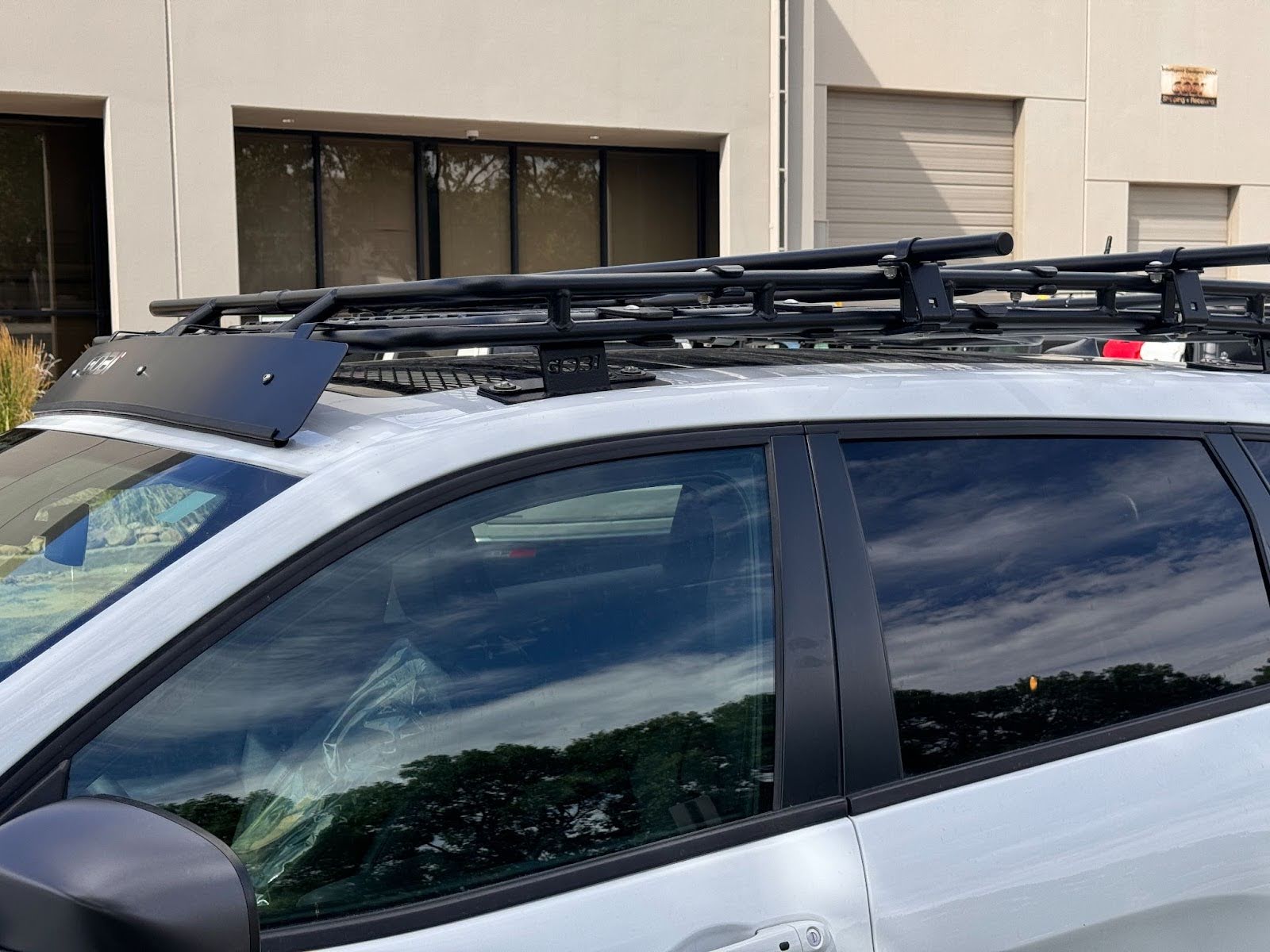
Are you looking for something to enhance your car while fitting over a sunroof or moonroof? Check out GOBI Racks. They sell roof racks for various vehicle models and brands, ensuring a perfect fit every time. Remember to view the Ranger Rack, which comes with two removable crossbars, a no-drill mounting system, and can comfortably hold 300 pounds. Place your order today!