





Adventure vehicles feel incomplete without a sturdy roof rack. From week-long overlanding treks to a quick surf-side dash, a dependable rack transforms an SUV, crossover, or pickup into a true gear-hauler. Yet many drivers hesitate the moment a product description mentions drilling. Punching holes in factory sheet metal voids warranties, invites corrosion, and adds hours of labor. Fortunately, modern engineering now delivers bolt-on roof rack systems that clamp to factory mounting points—no permanent modification required. This guide dives deep into the benefits, technology, and real-world performance of today’s no-drill roof racks, spotlighting innovators like GOBI Racks that have rewritten the rules for strength and style.
Why Avoid Drilling in the First Place?
Auto manufacturers design roof structures to channel water, manage wind noise, and maintain crash integrity. Drilling disturbs those carefully engineered layers of metal, sealant, and paint. Even with touch-up, every new hole is a potential entry point for rust. That risk is amplified on salty winter roads or coastal highways where airborne chloride accelerates corrosion.
Resale value is another consideration. Used-car shoppers and dealerships often balk at modified sheet metal because it suggests hard off-road use or hidden leaks. A 2022 Kelley Blue Book survey found that vehicles with visible aftermarket holes in body panels depreciated an extra 5–7 percent compared with similar trims left stock. That may equal hundreds or thousands of dollars lost at trade-in time.
Moreover, the structural integrity of a vehicle can be compromised by drilling. The roof is not just a cover; it plays a crucial role in the overall rigidity of the vehicle. When holes are introduced, they can lead to flexing or warping over time, especially in areas subjected to heavy loads or impacts. This can result in more significant repairs down the line, which can be both costly and time-consuming. Additionally, the aesthetic appeal of a vehicle can be diminished by unsightly holes, which can detract from its overall look and feel, making it less desirable to potential buyers.
Another factor to consider is the potential for water leaks. Drilling into the roof can disrupt the factory seals that are designed to keep moisture out. Even a small gap can lead to water intrusion, which can damage the interior, promote mold growth, and lead to electrical issues if water reaches sensitive components. Many vehicle owners may not realize the long-term consequences of such modifications until it’s too late, resulting in expensive repairs that could have been easily avoided with a more cautious approach to vehicle modifications.
How No-Drill Roof Racks Secure Themselves
No-drill racks tap into one of three OEM attachment systems: dedicated roof-rack provisions hidden under plastic trim, existing rain-gutter channels on older 4x4s, or threaded inserts intended for luggage crossbars. Using model-specific brackets, manufacturers match bolt patterns and clearances precisely, letting DIYers reuse factory fastener points already rated for load. The approach preserves structural integrity while simplifying installation to basic hand tools. In many cases, an extra set of hands and a torque wrench are the only requirements.
Weight ratings remain robust. Fully welded steel baskets combined with strategically gusseted brackets allow static loads well above 600 lb on popular SUVs. When driving, dynamic ratings of 250–300 lb are common, more than enough for rooftop tents, jerry cans, recovery boards, and an LED light bar without rattles or flex. Because the rack’s base sits flush with the roof rails, aerodynamic drag is minimal, especially when paired with slim fairings or deflectors.
The versatility of no-drill roof racks is another significant advantage, appealing to a wide range of outdoor enthusiasts. Whether you’re a weekend warrior heading out for a camping trip or a seasoned traveler embarking on a cross-country adventure, these racks can accommodate various gear types. From kayaks and bikes to skis and surfboards, the adaptability of no-drill racks means you can easily switch out your load depending on your plans. Additionally, many manufacturers offer accessories designed specifically for their racks, allowing users to customize their setup further and maximize the utility of their vehicles.
Moreover, the aesthetic appeal of no-drill roof racks cannot be overlooked. Many modern designs prioritize a sleek, low-profile look that complements the vehicle’s overall design while enhancing functionality. This attention to style ensures that your vehicle maintains its visual appeal, whether parked in a driveway or on a scenic overlook. Furthermore, the installation process is often designed to be reversible, meaning that if you ever decide to remove the rack, your vehicle will retain its original appearance without any unsightly holes or damage to the roof. This feature is especially important for those who may wish to sell their vehicle in the future, as it preserves resale value and keeps the car looking pristine.
Key Factors When Choosing a No-Drill Rack
Vehicle-specific engineering: A universal rack might claim to fit “most” SUVs, but typically relies on adaptable feet and spacer kits that eat up install time. Purpose-built platforms contour to the roofline, clear shark-fin antennas, and avoid rubbing weatherstrips, preventing wind whistles down the road. This tailored fit not only enhances aerodynamics but also ensures that the rack remains securely attached, minimizing the risk of damage to both the vehicle and the cargo. Additionally, many manufacturers offer a range of accessories designed specifically for their racks, allowing users to customize their setup for various activities, whether it’s biking, kayaking, or camping.
Material & finish: Powder-coated steel remains the gold standard for strength, yet the secret lies beneath the color. A quality zinc or epoxy undercoat fights rust from the inside out, critical when water inevitably pools around welds. Aluminum saves weight but requires thicker tubing or additional bracing to match steel’s load capacity. When considering materials, it’s also important to look at the environmental impact of production and disposal. Some brands are beginning to incorporate recycled materials into their designs, appealing to eco-conscious consumers. Furthermore, the finish can affect not just aesthetics but also longevity; UV-resistant coatings can prevent fading and deterioration from sun exposure, ensuring that your rack looks good for years to come.
Basket depth & design: Overlanders favor deep baskets—usually 4 inches—for tall duffel bags or spare tires. Urban drivers lean toward low-profile, 2-inch “stealth” trays that slide under parking-garage height restrictions while still supporting skis or Pelican cases. Evaluate everyday clearance needs before deciding. Additionally, some racks come with adjustable side rails or removable crossbars, providing flexibility for different types of gear. This adaptability can be particularly useful for those who frequently switch between transporting camping gear and sports equipment. Moreover, the design of the basket can influence how easily you can load and unload items, with features like integrated tie-down points or mesh bottoms that allow for better drainage during wet conditions.
The No-Drill Advantage of GOBI Racks
Founded in Aurora, Colorado, GOBI Racks carved a niche by refusing to trade style for toughness. The brand’s two flagship lines, the Ranger and the Stealth, share a fully welded, one-piece construction that arrives ready to bolt onto factory points. Because every mount is backed by thick internal backing plates and grade-8 hardware, owners report rock-solid fit with zero roof damage, even after years of washboard trails.
Customization is another hallmark. Buyers configure five elements during checkout: rack style, front riser height, lighting layout, sunroof compatibility, and crossbar type. A 40-inch LED bar fits neatly behind the optional front riser, preventing cargo from crushing fragile lenses. Those with panoramic glass can select a mesh cutout to keep the sky visible, while rooftop-tent users often add elevation crossbars that sit above the basket, creating a perfectly flat platform.
Durability stats tell the story. Each rack carries an 800-lb static rating, powerful enough to support two adults, a tent, and recovery gear overnight, yet weighs under 150 lb on most midsize SUVs. Powder coating is preceded by an anti-rust substrate that survives Colorado’s freeze-thaw winters. Reddit’s r/overlanding community consistently places GOBI Racks among the top three brands for longevity, with threads citing racks “still pristine after 8 years” or “barely any paint chips after thousands of off-road miles.”
Installation Tips & Tricks
Even no-drill roof racks benefit from thoughtful prep work. Start by washing the roofline to remove grit that could scratch paint once brackets are clamped down. Lay a soft moving blanket across the liftgate and windshield to protect the glass while maneuvering the frame.
One person can handle smaller crossover racks solo, yet two installers make alignment simpler. Using the factory service manual, locate threaded inserts or stud plates. A dab of blue thread-locker prevents vibration loosening without sealing hardware permanently. Torque each bolt in a crisscross pattern to manufacturer specs, usually between 12 and 18 ft-lb. Finally, after a 50-mile shakedown drive, re-torque all attachment points; powder-coated surfaces can compress slightly on first use.

Real-World Examples of No-Drill Success
Weekend overlander: A 2021 Toyota 4Runner outfitted with a Stealth rack from GOBI Racks carried two mountain bikes, a 23Zero rooftop tent, and a five-gallon water container on a 900-mile trip through Utah’s White Rim Road. Post-trip inspection showed no loosening at the factory channel mounts, and average fuel economy dropped only one mpg thanks to the rack’s low profile.
Family road-trip machine: Owners of the latest Honda Pilot often hesitate to drill because they lease rather than buy. A clamp-on aluminum system rated at 150 lb carried a cargo box and collapsible stroller across 12 states without scuffs. When the lease ended, the rack came off in under an hour, leaving pristine paint beneath.
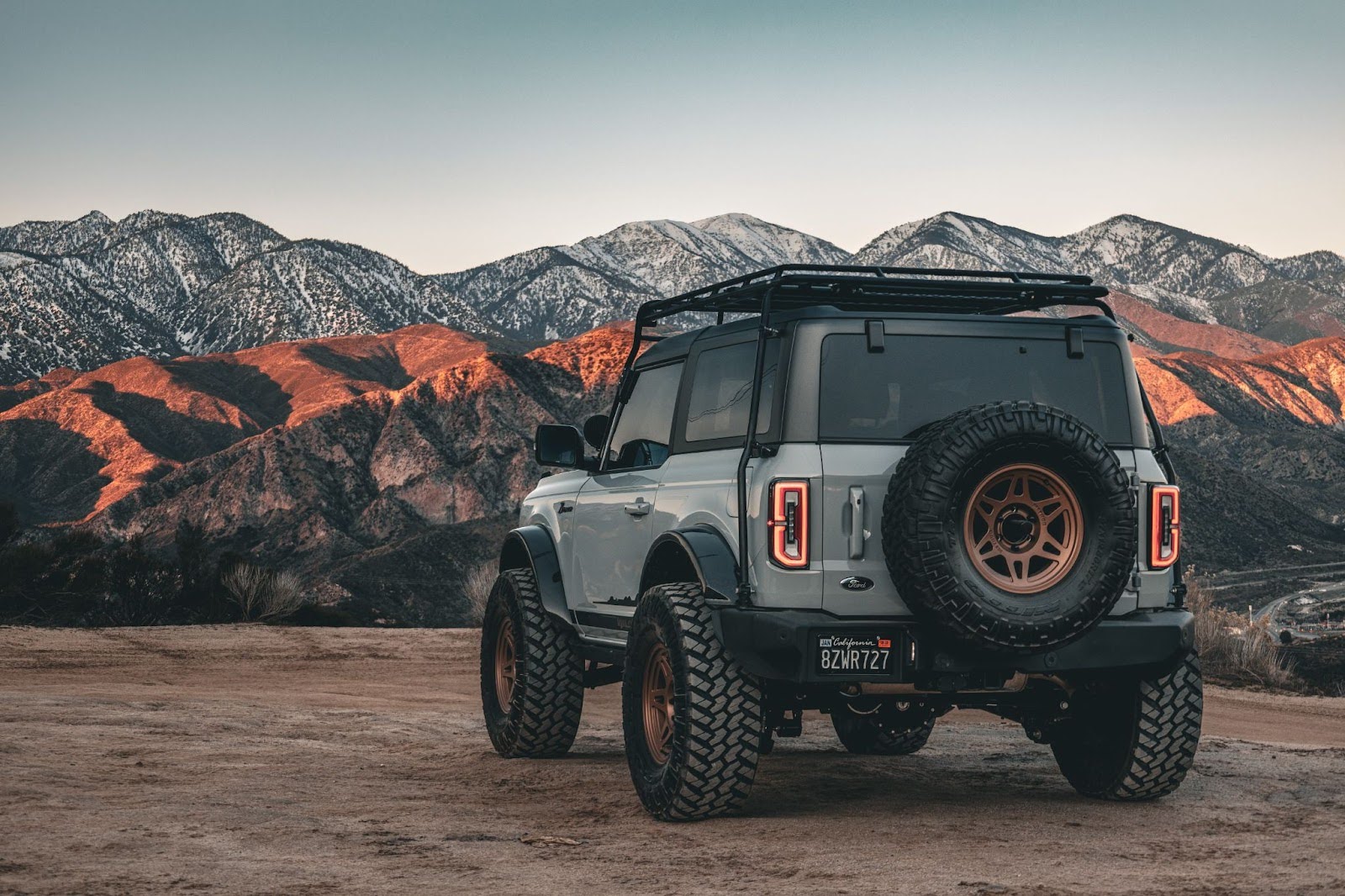
Commercial field rig: A forestry company in Oregon mounted a deep-basket Ranger rack on three Ford Broncos for equipment transport. Chainsaws and fire shovels ride outside the cabin, freeing interior space for sensitive GPS gear. Zero exterior drilling keeps the fleet’s corrosion warranty intact—a detail the accountant insisted on before signing the purchase order.
Maintenance & Longevity
No-drill roof racks require little upkeep beyond what prudent owners already perform on their vehicles. Rinse road salt, mud, and sand from weld joints after each excursion. Inspect powder-coat monthly; if chips appear, touch up with a compatible enamel to seal bare metal. Twice a year, loosen and retorque mounting bolts to ensure settling hasn’t altered clamping force.
For racks like those from GOBI Racks, upgraded stainless hardware kits are available for humid coastal climates. Even standard zinc-plated bolts, however, hold up well when paired with dielectric grease. Remember: longevity isn’t solely about metals. Rubber gaskets that cushion brackets from painted roof channels can harden over time, so replace them every five years to prevent squeaks and moisture intrusion.
Frequently Asked Questions
Will a no-drill rack void my factory warranty? In most regions, manufacturers cannot deny warranty coverage unless the rack directly causes the failure. Because no drilling occurs, disputes are rare. Always save installation receipts and torque specs to demonstrate proper fitment if needed.
How much weight can I legally carry up top? Check the vehicle’s owner manual for roof load limits, then compare to the rack’s dynamic rating. Law enforcement typically references those figures when issuing citations. A common midsize SUV limit is 165 lb while moving, though heavy-duty platforms like GOBI Racks might offer higher headroom. Static capacity, supporting campers at rest, can far exceed driving figures.
Final Thoughts
Modern no-drill roof rack systems solve the age-old dilemma of protection versus performance. They marry secure mounting with hassle-free removal, preserve resale value, and look factory-fresh no matter how wild the adventure. Engineers at GOBI Racks and peer manufacturers continue pushing the envelope with lighter alloys, modular crossbars, and corrosion-proof coatings. For drivers who crave versatility without the grinder and rivet gun, the future rides on bolt-on innovation, one roof rail at a time.
For Subaru fitment, see our Subaru Forester rear ladder.
Discover the GOBI Difference
Ready to elevate your adventure without the hassle of drilling? Visit GOBI Racks to explore a world of robust, no-drill roof racks, ladders, gear bags, and more to enhance your vehicle’s functionality and style. Don’t miss our standout Ranger Rack, featuring two removable cross bars, an easy mounting system, and a 300-pound load capacity for all your gear. Transform your vehicle into the ultimate adventure companion. Shop Now and embark on your next journey with confidence.