




The Ford Explorer is a versatile SUV, known for its spacious interior and robust capabilities. However, one aspect that often goes overlooked is the roof load limit. Understanding how much weight the roof of your Ford Explorer can safely hold is crucial for ensuring the safety of both passengers and cargo. We will help you learn about the factors that affect roof load limits, provide guidelines for safe loading, and offer tips for maximizing your vehicle’s utility without compromising safety.
What Are Roof Load Limits?
Roof load limits refer to the maximum weight that can be safely carried on the roof of a vehicle. This limit is determined by several factors, including the vehicle’s design, structural integrity, and intended use. Exceeding these limits can lead to serious safety hazards, including compromised vehicle handling and increased risk of rollover accidents. Understanding these limits is crucial for anyone who frequently transports items on the roof of their vehicle, whether for recreational purposes, work, or moving. Proper awareness can prevent accidents and ensure a smoother driving experience.
Importance of Adhering to Roof Load Limits
Adhering to roof load limits is essential for several reasons:
- Safety: Overloading the roof can affect the vehicle’s center of gravity, making it more prone to tipping over.
- Vehicle Integrity: Excess weight can cause structural damage to the roof and other components, leading to costly repairs.
- Legal Compliance: In some jurisdictions, exceeding load limits can result in fines or penalties.
Moreover, respecting these limits protects the vehicle and its occupants and ensures the safety of other road users. An overloaded vehicle can behave unpredictably, especially in adverse weather conditions or during sudden maneuvers. This unpredictability can lead to accidents that could have been avoided with proper load management. Additionally, many insurance policies may not cover damages resulting from overloading, which could leave drivers financially responsible for repairs and liabilities.
Factors Influencing Roof Load Limits
Several factors contribute to the determination of roof load limits for the Ford Explorer:
- Vehicle Model: Different models may have varying load capacities based on their design and materials.
- Roof Rack Type: The type of roof rack installed can significantly affect the load limit. Factory-installed racks typically have different specifications compared to aftermarket options.
- Distribution of Weight: How weight is distributed on the roof can impact stability. Uneven loading can lead to handling issues.
In addition to these factors, the condition of the roof rack and the vehicle itself play a critical role in determining safe load limits. A well-maintained roof rack can support more weight than one that is rusted or damaged. Furthermore, the materials used in the vehicle’s construction, such as high-strength steel or lightweight composites, can influence how much weight the roof can bear without compromising safety. Drivers should regularly inspect their roof racks and vehicles for any signs of wear and tear, ensuring they remain within safe operational limits.
Ford Explorer Roof Load Specifications
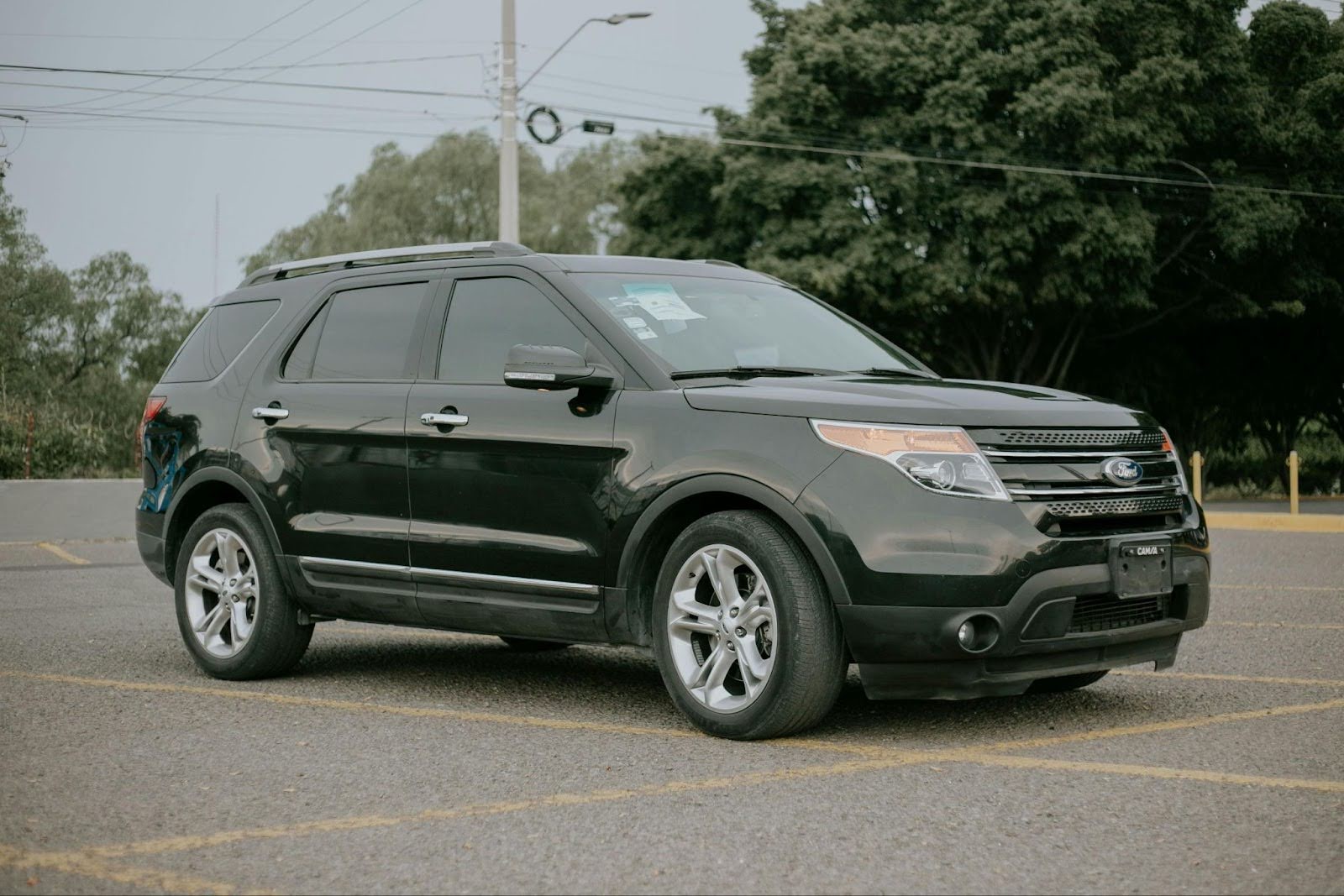
The roof load limit for a Ford Explorer varies by model year and configuration. Generally, the roof load capacity ranges from 100 to 200 pounds, but it is essential to consult the owner’s manual for the specific limit applicable to your vehicle. This limit is crucial for ensuring safety and maintaining the vehicle’s structural integrity while driving, especially when navigating uneven terrain or during inclement weather.
Understanding Your Vehicle’s Manual
The owner’s manual is a vital resource for understanding the roof load limits specific to your Ford Explorer. It provides detailed information on:
- Maximum Load Capacity: Exact figures for roof load limits.
- Recommended Accessories: Suggestions for roof racks and cargo carriers that meet safety standards.
- Loading Guidelines: Best practices for loading cargo to maintain vehicle stability.
In addition to these key areas, the manual often includes diagrams that illustrate proper loading techniques, helping you visualize how to distribute weight evenly across the roof. This can be particularly beneficial when planning a family trip or transporting sports equipment, as improper loading can affect handling and increase the risk of accidents.
Common Roof Load Limits for Different Models
| Model Year | Roof Load Limit (lbs) |
|---|---|
| 2020 | 165 |
| 2021 | 150 |
| 2022 | 200 |
| 2023 | 175 |
It’s important to note that the roof load limit can be influenced by additional factors such as the type of roof rack used and the distribution of weight on the roof. For instance, a well-designed roof rack can enhance the load capacity, while a poorly installed one might compromise safety. Moreover, if you plan to carry larger items, such as kayaks or bicycles, it’s advisable to invest in specialized racks that are designed to accommodate these types of loads securely.
How to Safely Load Your Ford Explorer’s Roof
Loading your Ford Explorer’s roof requires careful consideration to ensure safety and compliance with load limits. Here are some best practices to follow:
Choosing the Right Roof Rack
The roof rack you choose plays a significant role in how much weight your vehicle can safely carry. Here are some tips for selecting the right roof rack:
- Compatibility: Ensure the rack is designed for your specific Ford Explorer model.
- Weight Capacity: Check the manufacturer’s specifications for load limits.
- Installation: Follow installation instructions carefully to ensure a secure fit.
Additionally, consider the material of the roof rack. Aluminum racks are lightweight and resistant to rust, making them a popular choice for many outdoor enthusiasts. Steel racks, while heavier, often provide more durability and strength for heavier loads. Furthermore, some racks come with adjustable crossbars, allowing for versatility in load positioning. This feature can be particularly beneficial if you plan to carry various types of cargo, from kayaks to luggage.
Loading Techniques
How you load your cargo can impact the vehicle’s stability. Consider the following techniques:
- Center the Load: Distribute weight evenly across the roof to maintain balance.
- Secure the Cargo: Use straps or tie-downs to prevent shifting during transit.
- Avoid Overhang: Ensure that cargo does not extend beyond the edges of the roof rack.
Moreover, it’s essential to be mindful of the overall height of your loaded vehicle. When driving under low bridges or entering parking garages, a loaded roof can significantly increase your vehicle’s height, leading to potential accidents. Always measure your total height after loading to avoid any surprises. Additionally, consider the impact of wind resistance on your load; streamlined cargo can help improve fuel efficiency and reduce sway while driving. Investing in aerodynamic cargo carriers can make a noticeable difference in both safety and performance on the road.

Common Mistakes to Avoid When Loading Your Roof
Even experienced drivers can make mistakes when loading their vehicle’s roof. Here are some common pitfalls to avoid:
Overloading the Roof
One of the most significant mistakes is exceeding the roof load limit. This can lead to dangerous driving conditions and potential accidents. Always weigh your cargo before loading it onto the roof. Additionally, it’s important to consult your vehicle’s manual for the specific load capacity, as different models have varying limits. Overloading affects your vehicle’s performance and can lead to increased wear and tear on suspension components, which may result in costly repairs down the line.
Neglecting Weight Distribution
Improper weight distribution can cause handling issues. Always ensure heavier items are placed in the center of the roof rack, and lighter items are secured around them. This balanced distribution helps maintain the vehicle’s center of gravity, which is crucial for stability during turns and sudden stops. Furthermore, using tie-down straps or bungee cords can help secure the load, preventing it from shifting during transit. A well-distributed load enhances safety and improves fuel efficiency, as the vehicle can navigate more smoothly through various driving conditions.
Ignoring Weather Conditions
Weather can greatly affect vehicle handling. High winds or rain can make an overloaded roof even more hazardous. Always consider the weather before embarking on a journey with a loaded roof. For instance, strong winds can create additional lift on the roof, increasing the risk of losing cargo or destabilizing the vehicle. It’s advisable to check weather forecasts and, if possible, postpone your trip if severe weather is expected. Additionally, driving at reduced speeds in adverse conditions can help maintain control and ensure your load remains secure throughout the journey.
Benefits of Knowing Roof Load Limits
Understanding the roof load limits of your Ford Explorer offers several advantages:
Enhanced Safety
By adhering to the specified limits, drivers can significantly reduce the risk of accidents caused by vehicle instability. This is especially important when navigating sharp turns or driving at high speeds. Overloading the roof can lead to a higher center of gravity, making the vehicle more prone to tipping over during sudden maneuvers. Additionally, in adverse weather conditions, such as rain or snow, a properly loaded roof can help maintain traction and control, further ensuring the safety of all passengers.
Improved Vehicle Performance
Staying within the roof load limits ensures the vehicle maintains optimal performance. This includes better fuel efficiency and handling characteristics, making for a more enjoyable driving experience. When a vehicle is overloaded, the engine has to work harder to compensate for the extra weight, which can lead to increased fuel consumption. Moreover, maintaining the recommended load helps preserve the integrity of the braking system, allowing for quicker and more effective stops, which is crucial in emergencies.
Increased Longevity of the Vehicle
Excessive weight can lead to wear and tear on various components of the vehicle, including the suspension and tires. By respecting load limits, owners can prolong the lifespan of their Ford Explorer. Regularly exceeding the roof load limits can cause premature fatigue in the vehicle’s frame and suspension system, leading to costly repairs. Furthermore, tires that are consistently overloaded may experience uneven wear, resulting in the need for earlier replacements. This impacts the vehicle’s performance and can lead to unsafe driving conditions if not monitored closely.
Better Resale Value
Maintaining your Ford Explorer within its roof load limits can positively influence its resale value. A vehicle that has been well cared for, with no signs of excessive wear or structural damage, is more appealing to potential buyers. Documentation of responsible usage, including adherence to load limits, can serve as a testament to the vehicle’s condition and maintenance history, making it easier to command a higher price in the market.
Compliance with Regulations
In many regions, there are specific regulations governing vehicle load limits, including those for roof racks and cargo carriers. Understanding and adhering to these regulations ensures safety and helps avoid potential fines or penalties. Being compliant with local laws can provide peace of mind while traveling, knowing that you are operating within legal parameters and contributing to safer roads for everyone.
Real-Life Scenarios: Loading Your Ford Explorer
Understanding roof load limits becomes even more critical when considering real-life scenarios. Here are a few examples of how to apply this knowledge:
Family Road Trips
When packing for a family road trip, it’s easy to get carried away with the amount of luggage. Prioritize essential items and ensure the total weight does not exceed the roof load limit. Consider using a cargo box that is specifically designed to distribute weight evenly.
Outdoor Adventures
For outdoor enthusiasts, loading bikes or kayaks onto the roof can be a common practice. Ensure the roof rack is rated for such activities and that the weight of the equipment is within the specified limits. Properly securing the gear is equally important to prevent accidents.
Moving Furniture
When transporting larger items like furniture, it is generally advisable to use a trailer or a truck. However, if loading onto the roof is necessary, ensure the weight is evenly distributed and the items are securely fastened. Always check the total weight against the roof load limit.
Conclusion
Understanding the roof load limits of your Ford Explorer is essential for safe and efficient vehicle operation. By adhering to these limits, choosing the right accessories, and employing proper loading techniques, drivers can ensure a safer driving experience while maximizing the utility of their vehicle. Always refer to the owner’s manual for specific guidelines and consult with professionals if in doubt about loading practices. With the right knowledge and precautions, the Ford Explorer can serve as a reliable companion for all your adventures.
Check out GOBI Racks. They sell roof racks, ladders, gear bags, and other vehicle accessories to enhance your car. Be sure to view the Stealth Rack, as this rack comes with two removable cross bars, has a no-drill mounting system, and can hold 300 pounds comfortably. Place your order today!