




Why Roof Racks Matter in 2024
Roof-mounted cargo systems have become an integral part of modern travel culture. Market analysts at Grand View Research estimate that the global automotive roof rack market will exceed $6 billion by 2027, driven by growing interest in outdoor recreation and the rise of sport-utility vehicles. Whether the goal is carrying bicycles to a local trailhead, mounting a rooftop tent for a week-long overlanding expedition, or simply freeing up interior space for passengers, the right rack turns any car or SUV into a multipurpose gear hauler. Yet with dozens of formats on the market, such as crossbars, platform trays, mesh baskets, and vehicle-specific frames, sorting through the options can feel daunting. The guide below breaks down each major category, explains where each design excels, and highlights innovations from brands such as GOBI Racks so outdoor enthusiasts can invest with confidence.
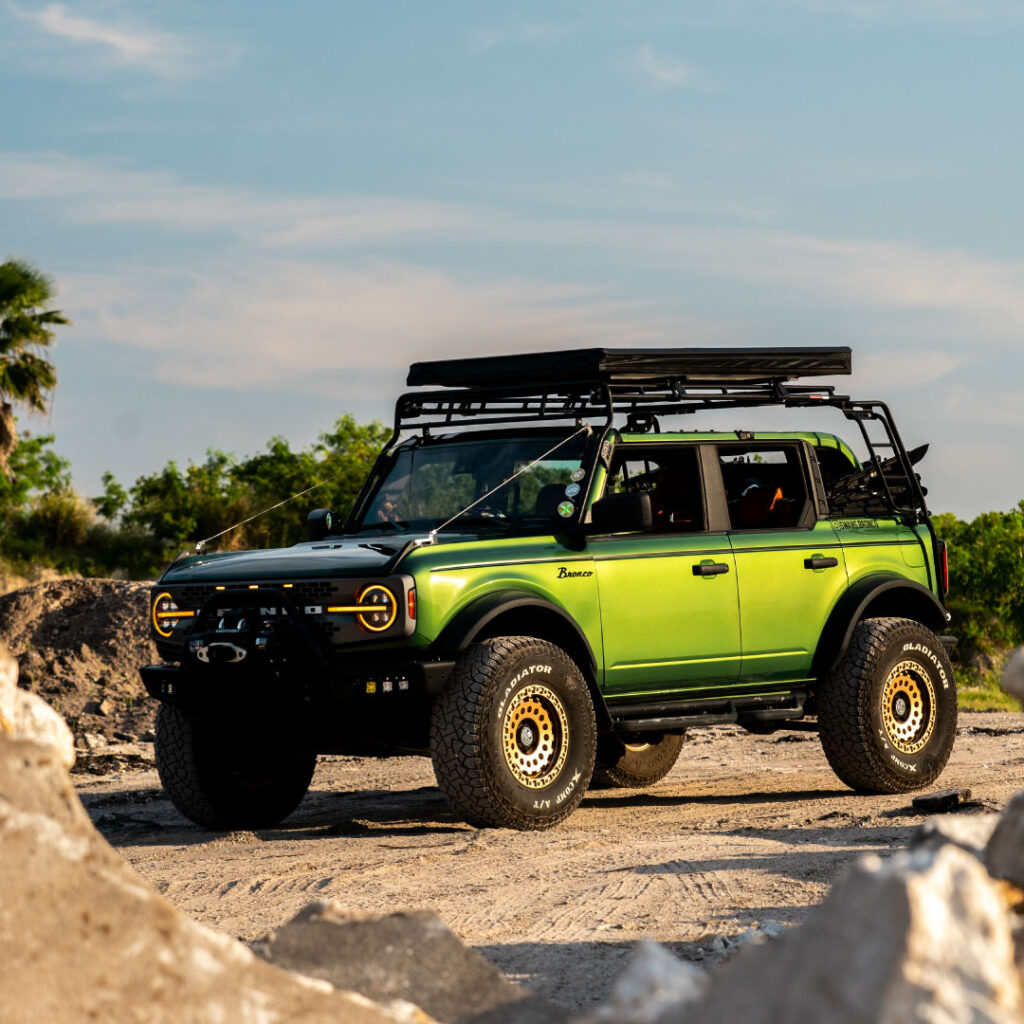
In 2024, the versatility of roof racks extends beyond mere functionality; they are now a reflection of personal lifestyle and adventure. Many outdoor enthusiasts are opting for custom solutions that cater specifically to their hobbies, whether that be kayaking, skiing, or mountain biking. For instance, specialized attachments for kayaks and paddleboards have surged in popularity, allowing adventurers to hit the water with ease. Additionally, the integration of smart technology into roof racks is becoming commonplace. Some brands are now offering racks equipped with built-in sensors that monitor weight distribution and alert users if they exceed safe limits, ensuring that safety is never compromised while on the road.
Moreover, the aesthetic appeal of roof racks has also evolved, with sleek designs and a variety of color options that allow consumers to match their vehicle’s look. This trend is particularly noticeable among urban dwellers who wish to maintain a stylish appearance while still being equipped for spontaneous weekend getaways. Brands are now collaborating with designers to create racks that not only perform well but also enhance the vehicle’s overall aesthetic. As more people embrace the outdoors and seek adventure, the demand for innovative, stylish, and functional roof racks will continue to grow, making them a staple for anyone looking to explore beyond the confines of their everyday lives.
The Building Blocks: Crossbars
What Crossbars Are and How They Work
Crossbars are the foundational rails that bridge a vehicle’s roof from left to right. Typically manufactured from aluminum or galvanized steel, these bars attach to factory-raised rails, fixed points, or aftermarket towers. Once installed, they create two secure anchor points for bike trays, cargo boxes, ski clamps, and kayak saddles. The versatility of crossbars allows for a wide range of outdoor activities, making them a popular choice for adventure seekers and families alike. Whether you’re planning a weekend getaway or just need to transport gear for a day trip, crossbars provide the stability and support necessary for safe travel.
Advantages of a Simple Two-Bar Setup
- Affordability: Entry-level kits start around $200, making them the most economical solution.
- Low profile: With minimal height addition, sedans and city-driven SUVs retain garage clearance.
- Modularity: Brands such as Thule and Yakima publish extensive accessory catalogs, so users can swap seasonal gear without re-engineering the base rack. This modularity is particularly beneficial for those who enjoy a variety of outdoor activities, as you can easily transition from carrying bikes in the summer to skis in the winter without the need for a complete overhaul of your setup. Additionally, the ease of installation means that users can quickly adapt their vehicle for different trips, maximizing convenience and efficiency.
Limitations to Keep in Mind
A two-bar system lacks a continuous platform, so odd-shaped items like firewood, duffel bags, and camp chairs often require extra tie-down creativity. Dynamic load ratings rarely exceed 165 lb, meaning heavier rooftop tents may be off limits. Finally, wind noise can rise sharply at highway speeds unless aerodynamic bar profiles are chosen. It’s also worth noting that while two-bar systems are great for lighter loads, they may not provide the same level of stability and security as a more robust three or four-bar setup, particularly when navigating rough terrain or during inclement weather. Users should carefully consider their specific needs and the types of gear they plan to transport to ensure they select the most suitable option for their adventures.
Stepping Up: Half-Length Platforms
Design and Intended Use
Half-length racks span roughly the rear two-thirds of the roof, blending the low weight of crossbars with the broader footprint of a tray. These systems feature multiple slats or a perforated deck, creating a flat working surface ideal for fuel cans, recovery boards, or a compact two-person tent. The design is not only functional but also aesthetically pleasing, often available in various finishes that complement the vehicle’s color scheme. Additionally, many half-length platforms come with integrated tie-down points, allowing users to secure their gear effectively, ensuring that even the roughest terrains won’t dislodge their equipment. This versatility makes half-length racks a favorite among outdoor enthusiasts who require a reliable and adaptable solution for transporting their gear.
Who Benefits Most
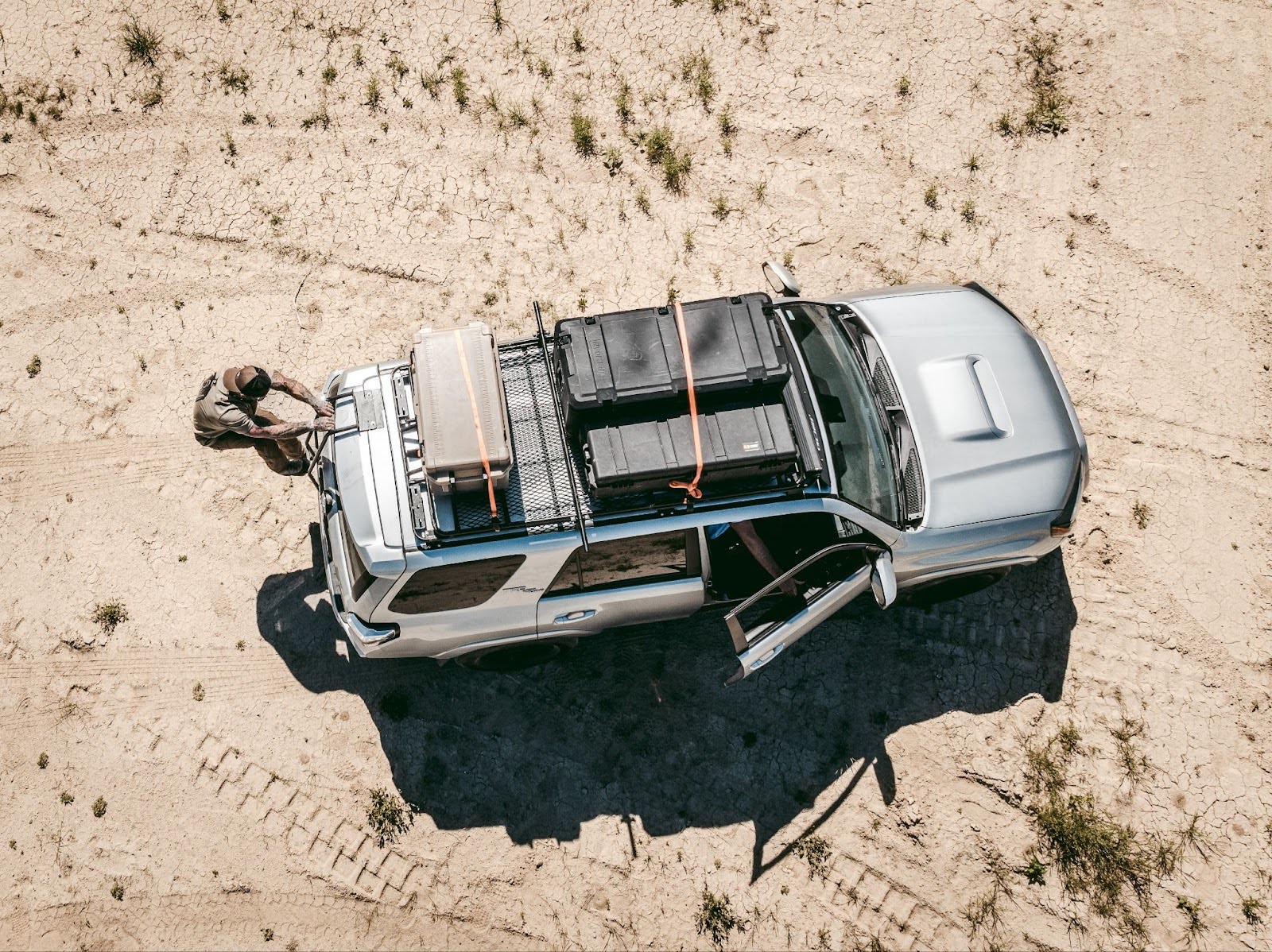
Weekend adventurers who occasionally sleep on the roof or carry awkward equipment appreciate the added real estate without the cost and wind resistance of a full basket. For example, a midsize Toyota 4Runner running a half-length rack can still open its factory sunroof while supporting an 85 lb rooftop tent and 30 lb awning, all within a 300 lb on-road load limit. This balance of capacity and convenience is particularly advantageous for those who enjoy spontaneous camping trips or need to transport bulky items like kayaks or mountain bikes. Moreover, the half-length design allows for easy access to the rear of the vehicle, making it simple to load and unload gear without having to climb onto the roof. This feature is especially appreciated by families or groups who value efficiency and ease during their outdoor excursions, ensuring that every adventure is as enjoyable as possible.
Full-Length Baskets: Maximum Capacity & Versatility
The Classic Expedition Silhouette
Full-length baskets stretch from windshield to rear hatch, featuring raised perimeter rails, welded cross tubes, and often a mesh floor. This architecture distributes weight across multiple factory mounting points, raising static load limits well beyond what crossbars alone can handle, sometimes up to 800 lb when parked.
Functionality Beyond Cargo
Because of their size, full baskets double as work platforms. Photographers use them as elevated shooting decks, while hunters spot game from above tree lines. Integrated light mounts transform the roof into a 360-degree illumination system. Many designs support bolt-on ladders, letting users access gear without standing on door sills.
Real-World Example: The Stealth and Ranger Lines from GOBI Racks
GOBI Racks offers two distinct basket styles. The 4-inch-deep Ranger Rack channels a classic off-road aesthetic, while the slim 2-inch Stealth Rack keeps overall vehicle height in check for urban garages. Both variants arrive fully welded, reducing assembly time, and bolt to factory mounting points with zero drilling, preserving resale value. Owners regularly tout multi-year durability; Reddit user “TacomaTrekker” reported 60,000 miles of desert use with no weld failures or powder-coat rust.
Specialty Attachments: Saddles, Carriers & Boxes
Tailoring a Rack to the Activity
Even the most spacious basket can benefit from task-specific cradles. Kayak enthusiasts often add J-style saddles that hold hulls at a 45-degree angle, freeing deck space for paddles. Cyclists gravitate toward fork-mount trays that anchor bikes upright without compressing suspension. Meanwhile, cargo boxes, ranging from 12 to 22 cu ft, shield duffels from rain and prying eyes, enhancing security on long road trips.
Compatibility Considerations
Most accessories clamp to 1-inch round or square tubing; some require T-slot tracks found on premium slat platforms. Shoppers should verify the tube diameter before purchasing. Brands like GOBI Racks sidestep confusion by offering crossbars compatible with Thule and Yakima hardware, ensuring seamless integration.
Material Matters: Steel vs. Aluminum vs. Composite
Steel—Strength Above All
Fully welded steel racks, such as those produced by GOBI Racks, boast unparalleled rigidity. Powder-coat and zinc undercoats fend off corrosion, and steel’s deflection characteristics prevent flexing on washboard roads. The trade-off is weight; adding 80-100 lb to the roof lowers the vehicle’s center of gravity and may affect mileage.
Aluminum and Emerging Composites
Extruded aluminum systems weigh 30-40 % less than steel while still supporting 200-400 lb dynamic loads. They resist rust naturally, though threads can gall without anti-seize. Carbon-reinforced composites, still niche, cut weight further but cost significantly more and lack long-term field data.
Fitment & Installation: Universal vs. Vehicle-Specific
Universal Racks
Sold in preset widths, universal racks aim for broad compatibility by employing adjustable foot packs. While convenient, that one-size approach often leaves gaps between the rack and roofline, creating wind noise and an aftermarket “add-on” appearance. Weight distribution may focus stress on two or four small points rather than the full OEM frame.
Vehicle-Specific Engineering
Brands such as GOBI Racks design each model around factory hard points—door jamb gutters, threaded inserts, or welded rails—eliminating drilling. The result is a seamless silhouette that matches body contours and a load path validated through finite element analysis. Installations typically take two people under two hours, with no specialized tools beyond a torque wrench.
Case Study: How GOBI Racks Redefined the Category
Heritage and Philosophy
Headquartered in Aurora, Colorado, GOBI Racks emerged in 2000 with the belief that rooftop utility should complement, not compromise, automotive design. Each rack is hand-crafted by a small team using high-grade US steel, then finished with a dual-layer anti-rust process for longevity in alpine snow and coastal salt.
Innovation Through Customization
Buyers progress through a five-step configurator: choose Ranger or Stealth style, pick a front riser height, select single lights or a 40-inch LED bar, determine sunroof cut-outs, and decide between standard or elevation crossbars. This menu structure yields thousands of permutations, allowing owners of Jeep Wranglers, Ford Broncos, and even the new Ineos Grenadier to tailor racks that look factory-born.
Real-World Durability Metrics
Laboratory testing shows static ratings of 800 lb and on-road ratings near 300 lb, figures that surpass most OEM guidelines. More telling is field data; overlanders have documented month-long trips carrying two 5-gallon fuel cans, MaxTrax boards, and a 140-lb tent without weld fatigue. When a ladder is added, roof access becomes effortless, further enhancing usability.
Choosing the Right Rack for Your Adventures
Key Questions to Ask
- What is the heaviest single item you plan to carry?
- How often will the rack be removed?
- Do you need full sunroof functionality?
- Will your vehicle still fit in garages or ferry height limits?
Answering these questions narrows the field quickly. A city-dwelling Subaru Outback owner who occasionally hauls bikes may be best served by aerodynamic crossbars, while a Land Rover Defender embarking on transcontinental routes benefits from a welded full-length basket and ladder system.
Balancing Budget and Longevity
Long-term travelers often discover that buying once, and buying a premium rack, saves money by avoiding mid-trip failures. A powder-coated steel rack from GOBI Racks may cost more up front than a modular aluminum kit, yet its service life typically outlasts the vehicle and retains resale value thanks to brand recognition in the overlanding community.
Key Takeaways
From minimalist crossbars to expedition-ready baskets, today’s roof-rack landscape offers a solution for every lifestyle. Crossbars excel at seasonal sports, half-length platforms strike a balance between utility and garage clearance, and full-length welded baskets deliver maximum load capacity plus lighting and accessory integration. Material choice influences weight and rust resistance, while vehicle-specific engineering ensures both structural integrity and aesthetic cohesion. By matching rack style to cargo needs, installation preferences, and long-term goals, drivers can transform any adventure vehicle into a capable, good-looking gear hauler that’s ready for the next road ahead.
Explore the Outdoors with GOBI Racks
Ready to elevate your adventure? Visit GOBI Racks for a premium selection of roof racks, ladders, and vehicle accessories designed to enhance your journey. Don’t miss our Ranger Rack, featuring two removable cross bars, a no-drill mounting system, and a 300-pound capacity for all your gear. Transform your vehicle’s exterior and adventure capabilities with GOBI Racks. Shop Now and prepare for your next great escape!