




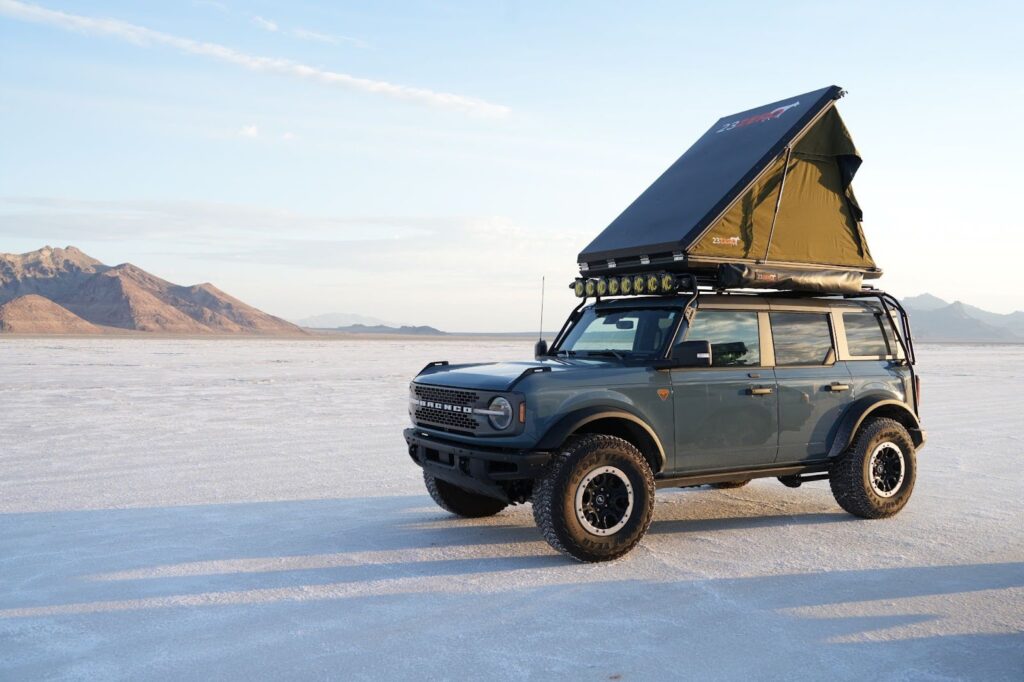
Camping is a beloved outdoor activity that allows individuals and families to connect with nature, unwind from the hustle and bustle of daily life, and create lasting memories. However, the joy of camping can quickly turn into a challenge if the right gear is not chosen. With our help, you will be able to understand how to select the right camping gear for your needs, ensuring a comfortable and enjoyable experience in the great outdoors.
Understanding Your Camping Needs
Before diving into the specifics of camping gear, it is essential to assess your camping needs. Consider the following factors:
Type of Camping
The type of camping you plan to do significantly influences the gear you will need. Are you going for a weekend trip in a national park, or are you embarking on a multi-week backpacking adventure? Each scenario requires different equipment. For example, car camping typically allows for more gear, while backpacking necessitates lightweight and compact options. Suppose you’re considering glamping, where comfort meets the great outdoors. In that case, you might want to invest in elevated tents, plush sleeping arrangements, and portable cooking appliances to enhance your experience.
Season and Weather Conditions
The season and expected weather conditions can greatly impact your gear choices. Camping in the summer may require lighter clothing and equipment, while winter camping demands specialized gear to handle cold temperatures and snow. Always check the forecast before your trip and choose gear that can withstand the conditions you may encounter. For instance, in rainy seasons, waterproof tents and rainflys become essential, while in hotter months, sun protection gear such as UV-blocking tarps and portable fans can make your stay much more enjoyable.
Group Size
The number of people joining you on your camping trip will also dictate your gear selection. Larger groups may require additional tents, cooking equipment, and food supplies. Conversely, solo campers can opt for lighter, more compact gear. Planning for the right group size ensures everyone is comfortable and has what they need. Moreover, consider the dynamics of your group; families with children might need extra safety gear and entertainment options, while a group of friends may prioritize cooking equipment and social spaces, such as larger dining tents or hammocks for relaxation.
Furthermore, it’s wise to communicate with your group about individual responsibilities, such as who will bring the first aid kit or the cooking supplies. This helps distribute the weight of the gear and ensures no essential items are forgotten. Establishing a checklist based on each person’s contributions can streamline the packing process and enhance the overall camping experience, making it more enjoyable and less stressful.
Essential Camping Gear Categories
Camping gear can be broadly categorized into several essential groups. Understanding these categories will help streamline your selection process, ensuring you have everything you need for a successful outdoor adventure. Each category plays a crucial role in enhancing your experience, from providing shelter to ensuring you have the right tools for cooking and comfort.
Shelter and Sleeping Gear
A good night’s sleep is crucial for an enjoyable camping experience. The following items are essential in this category:
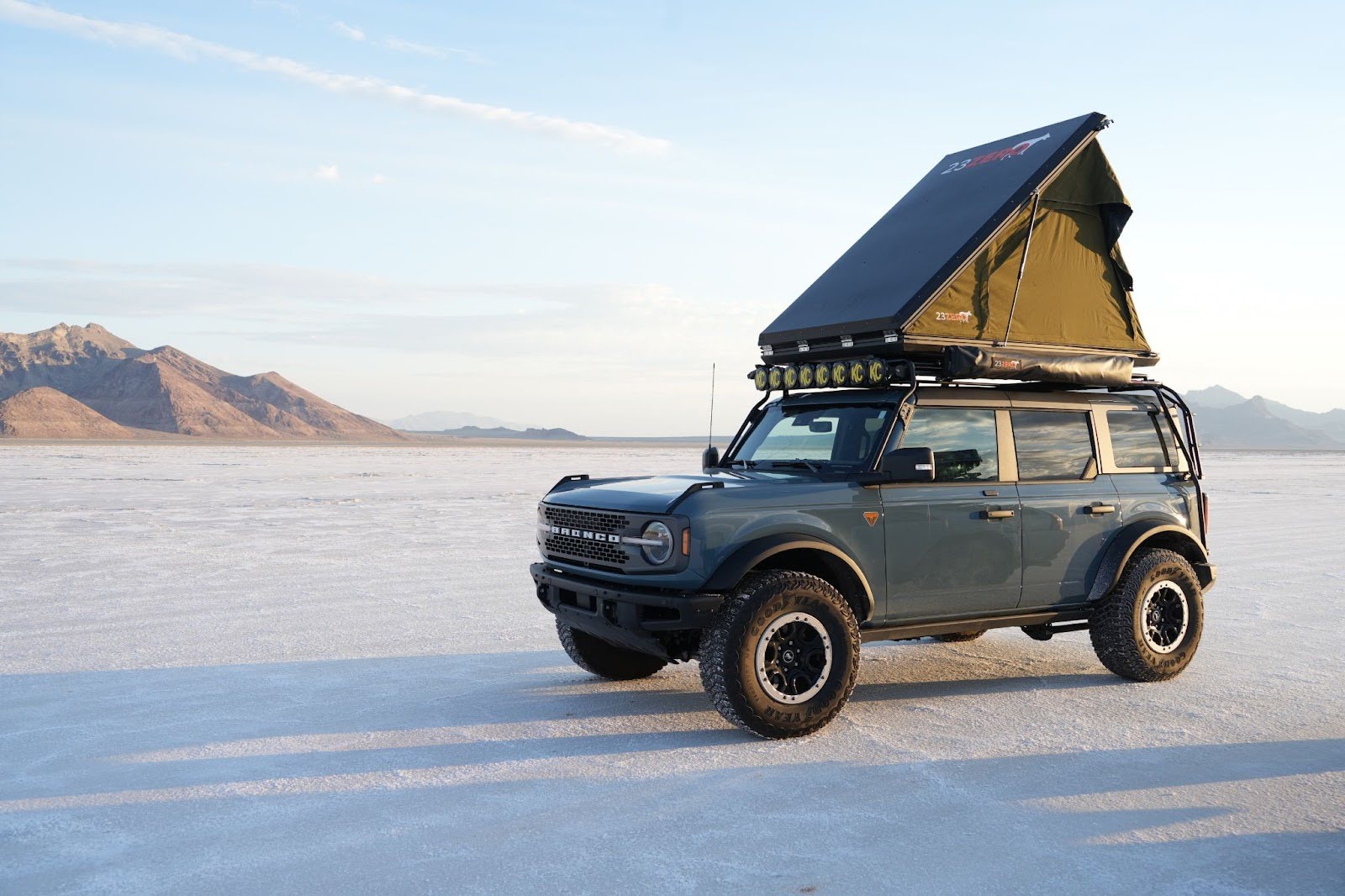
- Tents: Choose a tent that suits your group size and the conditions you’ll face. Look for features such as waterproofing, ventilation, and ease of setup. Additionally, consider the tent’s weight if you’re backpacking, as a lighter option can significantly ease your load.
- Sleeping Bags: Select a sleeping bag rated for the temperatures you expect. Consider the insulation type (down vs. synthetic) based on weight and warmth. Remember, a sleeping bag with a hood can provide extra warmth on chilly nights, while a bag with a full-length zipper offers versatility for warmer evenings.
- Sleeping Pads: A sleeping pad adds comfort and insulation from the ground. Look for options that are lightweight and packable. Some pads even come with built-in insulation, which can be a game-changer in colder climates, ensuring you stay warm throughout the night.
Cooking and Food Supplies
Preparing meals in the great outdoors can be rewarding, but it requires the right equipment. Key items include:
- Camping Stove: Choose a portable stove that suits your cooking needs. Options range from simple canister stoves to multi-burner setups. For those who enjoy cooking gourmet meals in the wild, consider a stove with adjustable flame control for precision cooking.
- Cookware: Lightweight pots, pans, and utensils are essential. Consider non-stick options for easier cleaning. Additionally, look for cookware that is designed for efficient heat distribution, which can help you save fuel and time while cooking.
- Food Storage: Use airtight containers or coolers to keep food fresh and safe from wildlife. Investing in a bear-proof container can also be a wise choice if you’re camping in bear country, as it adds an extra layer of safety for you and the local wildlife.
Clothing and Footwear
Choosing the right clothing and footwear is vital for comfort and protection. Here are some tips:
- Layering: Dress in layers to adapt to changing temperatures. Base layers, insulating layers, and waterproof shells are ideal. Fabrics that wick moisture away from your skin can keep you dry and comfortable, especially during strenuous activities.
- Footwear: Invest in sturdy, comfortable hiking boots or shoes that provide good traction and support. Consider waterproof options if you expect wet conditions, as keeping your feet dry is essential for a pleasant hiking experience.
- Accessories: Don’t forget hats, gloves, and socks. These can make a significant difference in your comfort level. A wide-brimmed hat can protect you from the sun, while moisture-wicking socks can help prevent blisters on long hikes.
Choosing the Right Gear for Your Activities
Different camping activities require specialized gear. Understanding what you’ll be doing can help narrow down your choices.
Hiking
For hiking enthusiasts, the right gear can enhance the experience. Essential items include:
- Backpacks: A good hiking backpack should fit well and have enough capacity for your gear. Look for features like hydration reservoirs and multiple compartments.
- Navigation Tools: Maps, compasses, and GPS devices are crucial for safe hiking. Familiarize yourself with how to use them.
- First Aid Kit: Always carry a first aid kit tailored to your group’s needs, including any personal medications.
Additionally, consider investing in quality hiking boots that provide adequate support and traction on various terrains. The right footwear can prevent blisters and enhance your overall comfort during long treks. Weather-appropriate clothing is essential; layering allows you to adjust to changing conditions, keeping you warm or cool as needed. Don’t forget to pack snacks and plenty of water to stay energized and hydrated throughout your hike.
Fishing
If fishing is part of your camping trip, consider the following gear:
- Fishing Rod and Reel: Choose a rod and reel suitable for the type of fishing you plan to do (freshwater vs. saltwater).
- Bait and Tackle: Stock up on the appropriate bait and tackle for your target fish species.
- Fishing License: Ensure you have the necessary permits or licenses for fishing in your chosen area.
Moreover, think about bringing a tackle box to keep your bait and lures organized, as well as a fishing net to help land your catch without causing harm. A comfortable folding chair can make your fishing experience more enjoyable, especially during long waits for a bite. If you’re fishing from a boat, remember to include life jackets and safety gear to ensure a secure outing on the water.
Wildlife Watching
For those interested in observing wildlife, specific gear can enhance the experience:
- Binoculars: A good pair of binoculars can help you spot wildlife from a distance without disturbing them.
- Field Guide: Bring along a field guide for identifying local flora and fauna.
- Camera: Capture memories and wildlife encounters with a quality camera or smartphone.
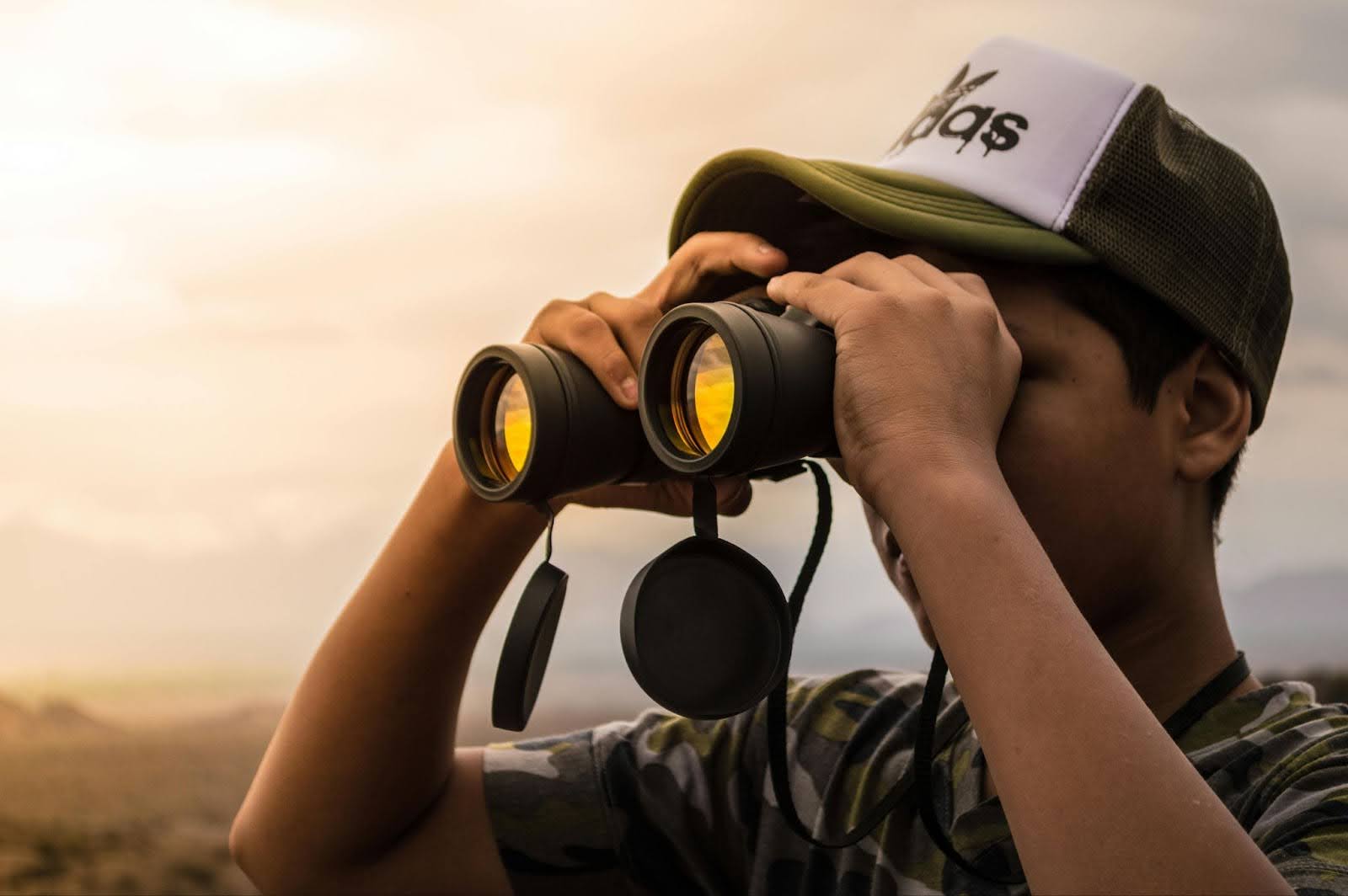
In addition to these essentials, consider packing a notebook or journal to document your observations and experiences. This can be a rewarding way to reflect on your encounters and track the different species you’ve seen. A portable chair or blanket can also enhance your comfort while waiting quietly for wildlife to appear. Lastly, be sure to educate yourself about the local wildlife and their behaviors, as this knowledge can greatly enrich your experience and increase your chances of spotting elusive animals.
Safety and Emergency Gear
Safety should always be a priority when camping. Being prepared for emergencies can make a significant difference in your experience. Whether you’re embarking on a weekend getaway or an extended wilderness expedition, having the right safety gear can mean the difference between a minor inconvenience and a serious crisis.
Emergency Kits
Every camper should have an emergency kit that includes:
- First Aid Supplies: Bandages, antiseptic wipes, and pain relievers are essential. Additionally, consider including items like tweezers for splinter removal, gauze for larger wounds, and a first aid manual for guidance in case of emergencies.
- Emergency Blanket: A lightweight emergency blanket can provide warmth in unexpected situations. These blankets are designed to reflect body heat, making them an excellent resource for hypothermia prevention.
- Multi-Tool: A multi-tool can be invaluable for various tasks, from cooking to repairs. Look for one that includes a knife, screwdriver, and bottle opener, as these tools can come in handy more often than you might think.
Communication Devices
Staying connected is important, especially in remote areas. Consider these options:
- Mobile Phones: Ensure your phone is fully charged and consider bringing a portable charger. Additionally, downloading offline maps and emergency contacts can be a lifesaver if you find yourself without service.
- Two-Way Radios: Useful for communication in areas with poor cell service. They can also be a fun way to stay in touch with your camping companions while exploring the area.
- Satellite Devices: For remote camping, a satellite phone or emergency beacon can provide peace of mind. These devices can send distress signals and allow you to communicate even when cellular networks are unavailable.
Navigation Tools
Getting lost in the wilderness can be dangerous. Equip yourself with:
- Maps: Always carry a physical map of the area, even if you plan to use GPS. Familiarize yourself with the terrain and key landmarks to enhance your navigation skills.
- Compass: A compass is a reliable navigation tool that doesn’t rely on batteries. Learning how to use a compass in conjunction with a map can significantly improve your ability to find your way.
- GPS Devices: Handheld GPS devices can provide accurate location information and track your route. Some advanced models even allow you to mark waypoints and share your location with others, which can be particularly useful in group camping scenarios.
In addition to these essential items, it’s wise to consider personal safety gear such as a whistle, which can be used to signal for help if you become separated from your group. A headlamp or flashlight with extra batteries is crucial for navigating after dark. Remember that preparation is key; regularly check your gear and update your emergency kit as needed to ensure you’re always ready for any situation that may arise during your camping adventure.
Budgeting for Camping Gear
Camping gear can vary significantly in price, so budgeting is crucial. Here are some tips to help manage costs:
Prioritize Essential Gear
When starting, focus on acquiring essential gear first. Items like a tent, sleeping bag, and cooking equipment should take precedence. As you gain experience, you can invest in additional gear.
Consider Quality Over Quantity
Investing in high-quality gear may seem expensive initially, but it often pays off in durability and performance. Cheaper options may require frequent replacements, ultimately costing more in the long run.
Look for Sales and Discounts
Keep an eye out for seasonal sales, clearance events, and discounts from outdoor retailers. Shopping during off-peak seasons can yield significant savings.
Maintaining Your Camping Gear
Cleaning and Storage
After each trip, clean your gear thoroughly. This includes:
- Tents: Shake out dirt and debris, and spot-clean any stains. Ensure it is completely dry before storing it to prevent mold.
- Cooking Equipment: Wash pots, pans, and utensils with mild soap and water. Dry them completely before packing them away.
- Clothing: Follow washing instructions for outdoor clothing, especially those with moisture-wicking or waterproof properties.
Regular Inspections
Before each camping trip, inspect your gear for any signs of wear and tear. Pay attention to:
- Seams and Zippers: Check for fraying or damage that could compromise performance.
- Battery Life: Ensure any battery-operated gear has fresh batteries or is fully charged.
- Expiration Dates: Some items, like first aid supplies, have expiration dates. Replace as necessary.
Repairs
Being able to make minor repairs can save gear from being rendered unusable. Consider:
- Patching Tents: Carry a repair kit for quick fixes on the go.
- Replacing Zippers: Learn how to replace zippers on bags and tents if they become damaged.
- Waterproofing: Use waterproofing sprays on tents and jackets to maintain their effectiveness.
Conclusion
Choosing the right camping gear is essential for a successful outdoor adventure. By understanding your specific needs, selecting appropriate gear, and maintaining it properly, campers can enjoy the beauty of nature while ensuring their comfort and safety. Whether you are a seasoned camper or a beginner, this guide serves as a valuable resource for making informed decisions that enhance your camping experience.
Now that you know the list, are you looking for ways to enhance your car for a camping trip? Check out GOBI Racks. They sell roof racks, ladders, gear bags, and other vehicle accessories to improve your car for any off-roading adventure. Be sure to view the Stealth Rack, as this rack comes with two removable crossbars, has a no-drill mounting system, and can hold 300 pounds comfortably. It’s the perfect addition to any camping trip! Place your order today.