




Installing roof bars on your vehicle can significantly enhance its versatility, allowing you to transport a variety of items such as bikes, kayaks, or luggage. This guide will walk you through the process step-by-step, ensuring you can easily install roof bars on your vehicle.
Understanding Roof Bars
Before diving into the installation process, it’s essential to understand what roof bars are and their different types. Roof bars are metal bars that attach to the roof of a vehicle, providing a base for carrying additional cargo. They come in various styles and configurations, designed to fit different cars and needs. Roof bars enhance the functionality of your vehicle and expand its versatility, allowing you to transport everything from bicycles and kayaks to luggage and camping gear.
Types of Roof Bars
There are primarily three types of roof bars available in the market:
- Square Bars: These are the most basic type, offering a sturdy platform for carrying loads. They are often more affordable but may create more wind noise. Their simplicity makes them a popular choice for those who need a reliable solution without the bells and whistles.
- Aero Bars: Designed for improved aerodynamics, these bars reduce wind resistance and noise. They are slightly more expensive but are popular for their efficiency. The sleek design looks good and contributes to better fuel economy, making them a smart investment for frequent travelers.
- Round Bars: These bars are versatile and can accommodate a variety of accessories. They tend to be less aerodynamic than aero bars, but are easier to attach accessories to. Their round shape allows for a more universal fit, making them a favorite among outdoor enthusiasts who frequently switch between different types of gear.
Compatibility with Your Vehicle
It’s crucial to ensure the roof bars you choose are compatible with your vehicle. Different vehicles have different roof types, such as raised rails, flush rails, or bare roofs. Always check the manufacturer’s specifications or consult with a professional to determine the right fit. Additionally, consider the weight capacity of both the roof bars and your vehicle’s roof; exceeding these limits can lead to safety hazards and potential damage.
Moreover, installation can vary significantly based on the type of roof bars and the vehicle’s design. Some roof bars come with a straightforward clamp-on system, while others may require drilling or more complex mounting solutions. It’s advisable to read the installation instructions carefully or watch tutorial videos to ensure a secure fit. Furthermore, regular maintenance checks are essential to ensure the bars remain securely attached and in good condition, especially after long trips or heavy use.

Gathering Necessary Tools and Materials
Before starting the installation, gather all the necessary tools and materials. Having everything at hand will streamline the process and prevent interruptions. A well-prepared workspace enhances efficiency and ensures safety, as you won’t be scrambling for tools mid-installation, which could lead to accidents or mistakes.
Essential Tools
- Socket wrench set
- Torque wrench
- Measuring tape
- Level
- Rubber mallet
- Safety goggles
Materials Required
In addition to the tools, you will need the following materials:
- Roof bars (specific to your vehicle)
- Mounting brackets
- Rubber pads (if not included)
- Instruction manual (provided with the roof bars)
When selecting roof bars, it’s crucial to ensure they are compatible with your vehicle’s make and model. This compatibility guarantees a secure fit and optimizes the load capacity and aerodynamics of your vehicle. Many manufacturers provide a compatibility chart, which can be a handy reference when shopping. Additionally, consider the type of activities you plan to use the roof bars for, such as transporting bikes, kayaks, or cargo boxes, as this may influence your choice of bars and accessories.
Furthermore, don’t overlook the importance of the instruction manual that comes with your roof bars. This document is a treasure trove of information, detailing the specific installation steps, torque specifications, and safety guidelines tailored to your product. Taking the time to read through it thoroughly before beginning the installation can save you from potential pitfalls and ensure you adhere to the manufacturer’s recommendations for optimal performance and safety.
Preparing for Installation
Preparation is key to a successful installation. Follow these steps to get ready:
Cleaning the Roof Area
Start by cleaning the roof of your vehicle. Remove any dirt, debris, or old adhesive residues. A clean surface ensures better adhesion and prevents scratches during installation. It’s also advisable to use a mild detergent and water solution for a thorough clean, followed by a rinse with clean water to eliminate any soap residue. After washing, dry the area completely with a soft cloth to avoid water spots that could interfere with the adhesive.
Reading the Instruction Manual
Each roof bar kit comes with its own set of instructions. Take the time to read through the manual thoroughly. Familiarizing yourself with the components and installation steps will make the process smoother. Additionally, pay attention to any specific safety warnings or tips provided by the manufacturer, as these can help prevent common mistakes and ensure your installation is both safe and effective. If possible, watch online tutorials or videos that demonstrate the installation process, as visual aids can often clarify complex steps and provide helpful insights.
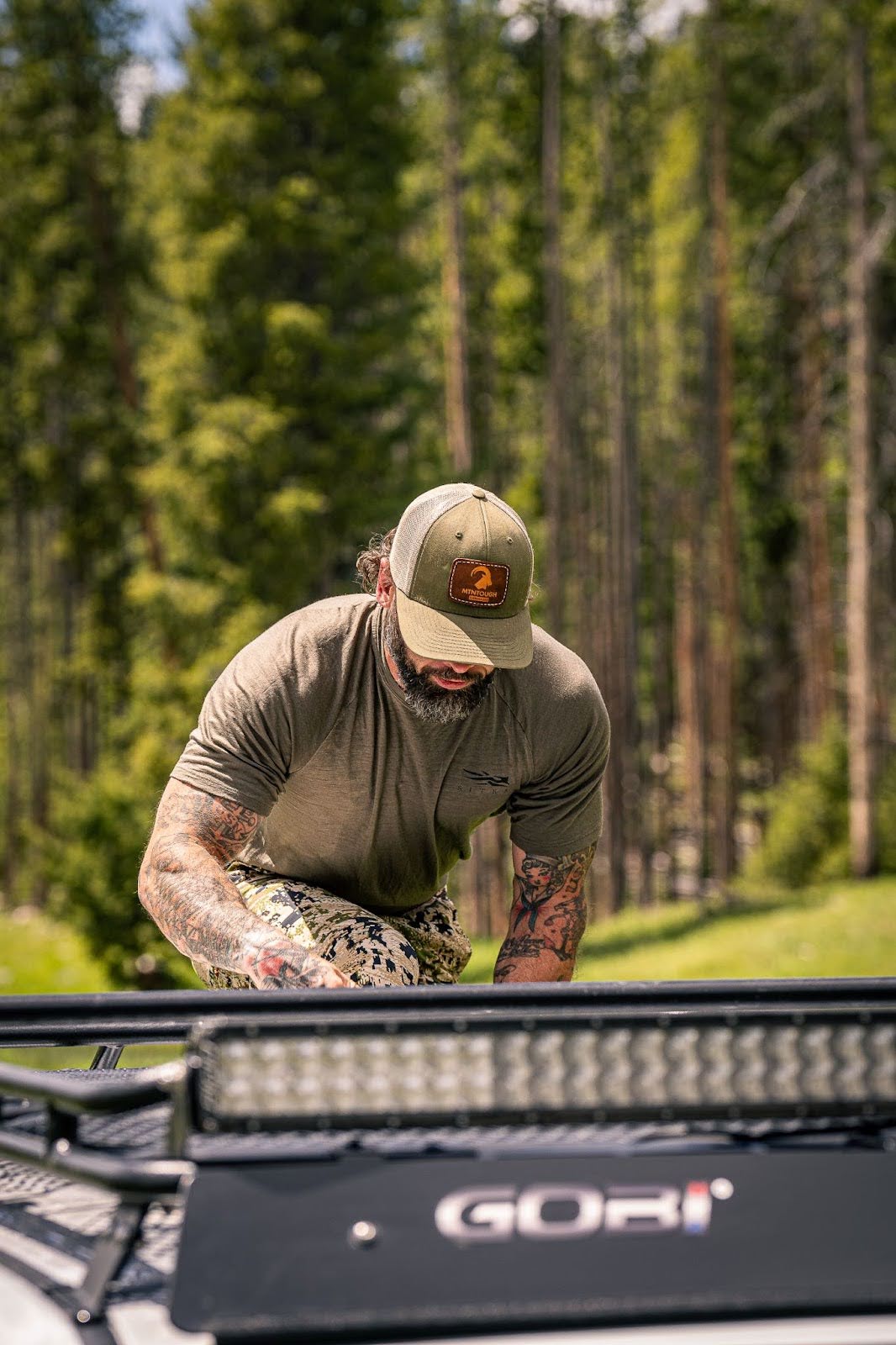
Step-by-Step Installation Process
Now that you’re prepared, it’s time to install the roof bars. Follow these steps carefully to ensure a secure fit:
Step 1: Positioning the Roof Bars
Begin by laying the roof bars on the roof of your vehicle. Use the measuring tape to ensure they are positioned evenly. A level can help you check that they are straight. Most vehicles have designated mounting points; make sure to align the bars accordingly. It’s also a good idea to take a moment to consider the weight distribution of any items you plan to carry. Positioning the bars too far forward or backward can affect the vehicle‘s handling, especially when driving at higher speeds or during windy conditions. Additionally, double-check that there are no obstructions, such as sunroofs or antennas, that might interfere with the installation.
Step 2: Attaching Mounting Brackets
Once the roof bars are positioned correctly, it’s time to attach the mounting brackets. Depending on the design of your roof bars, this may involve sliding the brackets into place or securing them with bolts. Ensure the brackets are tightly fastened to the roof bars. It’s wise to consult the manufacturer’s instructions for specific guidance on your model, as different systems may have unique requirements. Keep in mind that some brackets come with rubber pads to protect your vehicle’s paint; make sure these are in place to prevent scratches. Taking the time to ensure everything is aligned and secure at this stage will save you from potential issues later.
Step 3: Securing the Roof Bars
With the mounting brackets attached, secure the roof bars to the vehicle’s roof. This may involve using bolts or clamps, depending on your vehicle’s design. Use a socket wrench to tighten the bolts, ensuring they are secure but not over-tightened, as this could damage the roof. After securing the bars, it’s beneficial to perform a quick shake test; gently wiggle the bars to check for any movement. If they shift, you may need to re-tighten the bolts. Additionally, consider applying a bit of thread-locking compound to the bolts for extra security, especially if you plan on frequently removing and reattaching the bars. This can help prevent loosening due to vibrations while driving.
Final Adjustments and Checks
After the roof bars are installed, it’s crucial to make some final adjustments and checks to ensure everything is secure.
Checking Alignment
Use the level again to double-check the alignment of the roof bars. They should be straight and evenly spaced. If adjustments are needed, loosen the bolts slightly, reposition the bars, and retighten. It’s also a good idea to step back and visually inspect the roof bars from different angles to confirm that they appear symmetrical and well-placed. This visual check can often catch minor misalignments that a level might miss, ensuring a professional finish.
Testing Stability
Once everything is aligned and secured, test the stability of the roof bars. Gently shake them to ensure they are firmly attached. If there is any movement, recheck the bolts and brackets. Additionally, consider placing a moderate weight on the bars to simulate the load they will carry. This helps to confirm their sturdiness and gives you peace of mind that they can handle the demands of your gear when you’re on the road. Remember that a well-installed roof bar system can significantly enhance your vehicle’s utility, so taking the time to ensure everything is secure is well worth the effort.
Final Inspection
After all adjustments and tests, conduct a thorough final inspection of the entire installation. Look for any signs of wear or damage on the bars and brackets, as well as any potential interference with other vehicle components. It’s also wise to check the manufacturer’s guidelines for any specific recommendations regarding maintenance or periodic checks. Keeping an eye on the condition of your roof bars will prolong their lifespan and ensure they continue to perform optimally, providing you with the reliability you need for your adventures.
Loading and Using Roof Bars Safely
With the roof bars installed, it’s important to understand how to load and use them safely.
Weight Limits
Every roof bar system has a weight limit, which should be specified in the instruction manual. Exceeding this limit can lead to safety hazards and damage to your vehicle. Always adhere to the manufacturer’s guidelines. Additionally, it’s wise to consider the combined weight of the roof bars and any accessories you may be using, as this can also impact the overall capacity of your vehicle. Remember, the weight limit is not just a suggestion; it is a crucial safety measure designed to keep you and other road users safe.
Proper Loading Techniques
When loading items onto the roof bars, follow these tips:
- Distribute weight evenly across the bars.
- Secure items with appropriate straps or tie-downs to prevent movement during transit.
- Consider using protective padding for delicate items.
In addition to these techniques, it’s essential to check the load periodically during your journey. Long trips can lead to the shifting of cargo, which may require readjustment of your straps or repositioning of items. Furthermore, be mindful of the height of your load, especially when entering garages or low-clearance areas. A good practice is to measure your vehicle’s height with the load and compare it with any height restrictions you may encounter on your route. This precaution can save you from potential accidents and damage to your vehicle and cargo.
Lastly, familiarize yourself with the handling characteristics of your vehicle when loaded with roof bars. The added height and weight can affect your vehicle’s center of gravity, which may alter its handling and braking performance. It’s advisable to drive more cautiously, especially around corners and during adverse weather conditions. A little extra care can go a long way in ensuring a safe and enjoyable journey.
Maintenance of Roof Bars
Regular maintenance of your roof bars will extend their lifespan and ensure safe use.
Regular Inspections
Periodically check the roof bars for any signs of wear or damage. Look for rust, loose bolts, or any other issues that may compromise their integrity. Address any problems immediately to ensure safety.
Cleaning and Care
Keep the roof bars clean by washing them regularly with mild soap and water. Avoid abrasive cleaners that could scratch the surface. If your roof bars are made of aluminum or steel, consider applying a protective coating to prevent rust.
Common Issues and Troubleshooting
Even with careful installation, issues can arise. Here are some common problems and how to troubleshoot them:
Noise During Driving
If you notice excessive wind noise while driving, it may be due to the roof bars not being aerodynamically designed or improperly aligned. Adjusting the position or opting for aero bars can help reduce noise.
Movement or Instability
If the roof bars feel unstable or show signs of movement, recheck all bolts and brackets. Ensure everything is tightened to the manufacturer’s specifications. If problems persist, consult a professional for assistance.
Install with Confidence
Installing roof bars on your vehicle can enhance its functionality, allowing for greater cargo capacity and versatility. By following this step-by-step guide, you can ensure a secure and effective installation. Remember to adhere to safety guidelines, regularly maintain your roof bars, and troubleshoot any issues that may arise. With the right preparation and care, roof bars can serve you well on many adventures ahead.
Ready to upgrade your vehicle’s cargo capacity? GOBI Racks offers premium roof racks, ladders, gear bags, and more—engineered for durability and ease of use. The Ranger Rack is ideal for roof bar setups, featuring two removable crossbars, a no-drill mounting system, and a 300-pound load capacity. It’s the perfect addition to help you haul more and explore further. Order today and get adventure-ready!