




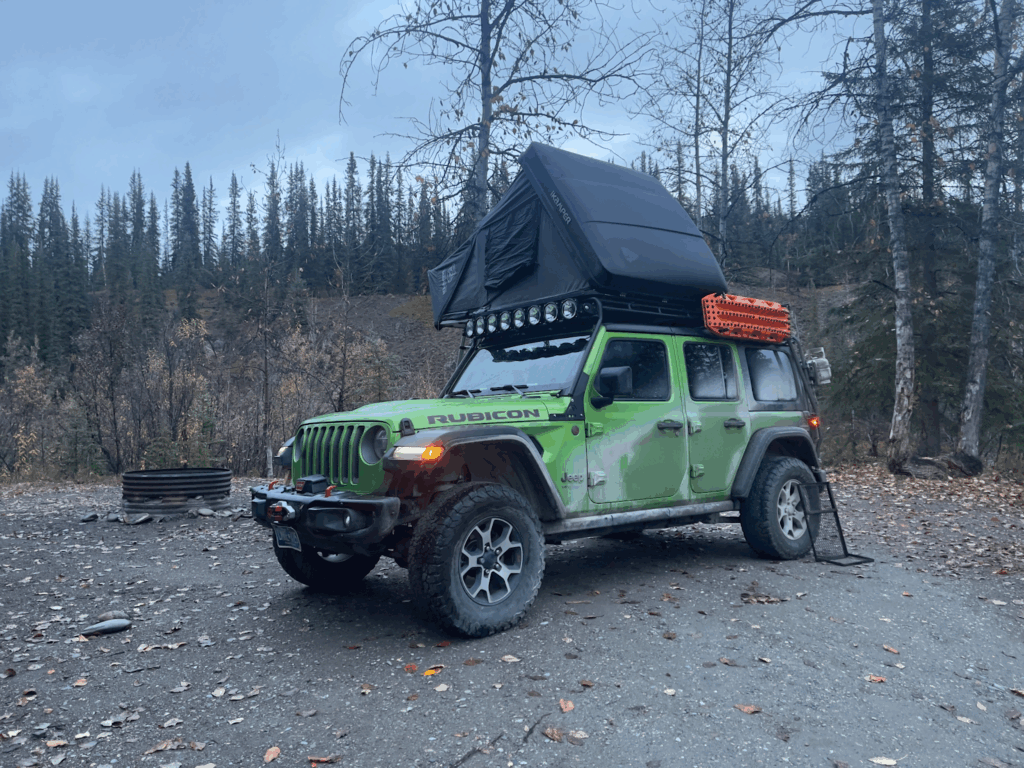
Camping is an exhilarating way to connect with nature, explore new landscapes, and create lasting memories. However, the joy of outdoor adventures can quickly be overshadowed by the chaos of disorganized gear. Finding effective storage solutions for camping equipment is essential for a smooth and enjoyable experience. With our help, you will learn about various smart storage solutions that will help keep camping gear organized and easily accessible.
Understanding the Importance of Organization
Proper organization of camping gear enhances efficiency and improves safety. When gear is neatly stored, it reduces the risk of forgetting essential items or misplacing them during a trip. Moreover, an organized setup allows campers to spend more time enjoying their surroundings rather than rummaging through bags and boxes. The peace of mind that comes from knowing exactly where everything is located cannot be overstated, especially when you’re in the great outdoors and time is of the essence.
Benefits of Organized Camping Gear
- Time-Saving: Quickly locate what you need when you need it.
- Enhanced Safety: Avoid accidents caused by misplaced gear.
- Increased Space: Maximize the use of available storage.
- Stress Reduction: Enjoy a more relaxing camping experience.
Common Challenges in Gear Organization
Many campers face challenges when it comes to organizing their gear. These can include limited space in vehicles, a lack of proper storage solutions, and the sheer volume of equipment required for various activities. Understanding these challenges can help in selecting the right storage solutions. For instance, utilizing packing cubes or compression bags can significantly reduce the bulk of clothing and sleeping gear, making it easier to fit everything into a compact space. Additionally, investing in modular storage systems can help keep items categorized and easily accessible, transforming a chaotic setup into a streamlined operation.
Another common issue arises from the diverse nature of camping trips. Whether you’re embarking on a weekend getaway or a week-long expedition, the gear required can vary dramatically. This variability often leads to overpacking or underpacking, which can cause frustration and inconvenience. To combat this, creating a checklist tailored to different types of trips can be invaluable. By having a clear idea of what you need for each specific outing, you can ensure your gear is organized and appropriately suited for the adventure ahead. This proactive approach saves time during the packing process and enhances the overall camping experience, allowing you to focus on the joy of exploration rather than the hassle of preparation.
Smart Storage Solutions for Camping Gear
There are numerous innovative storage solutions available that cater to different types of camping gear. From compact containers to multi-functional bags, these options can make a significant difference in how gear is stored and accessed. With the right organization, campers can maximize their efficiency and enjoy a more streamlined outdoor experience.
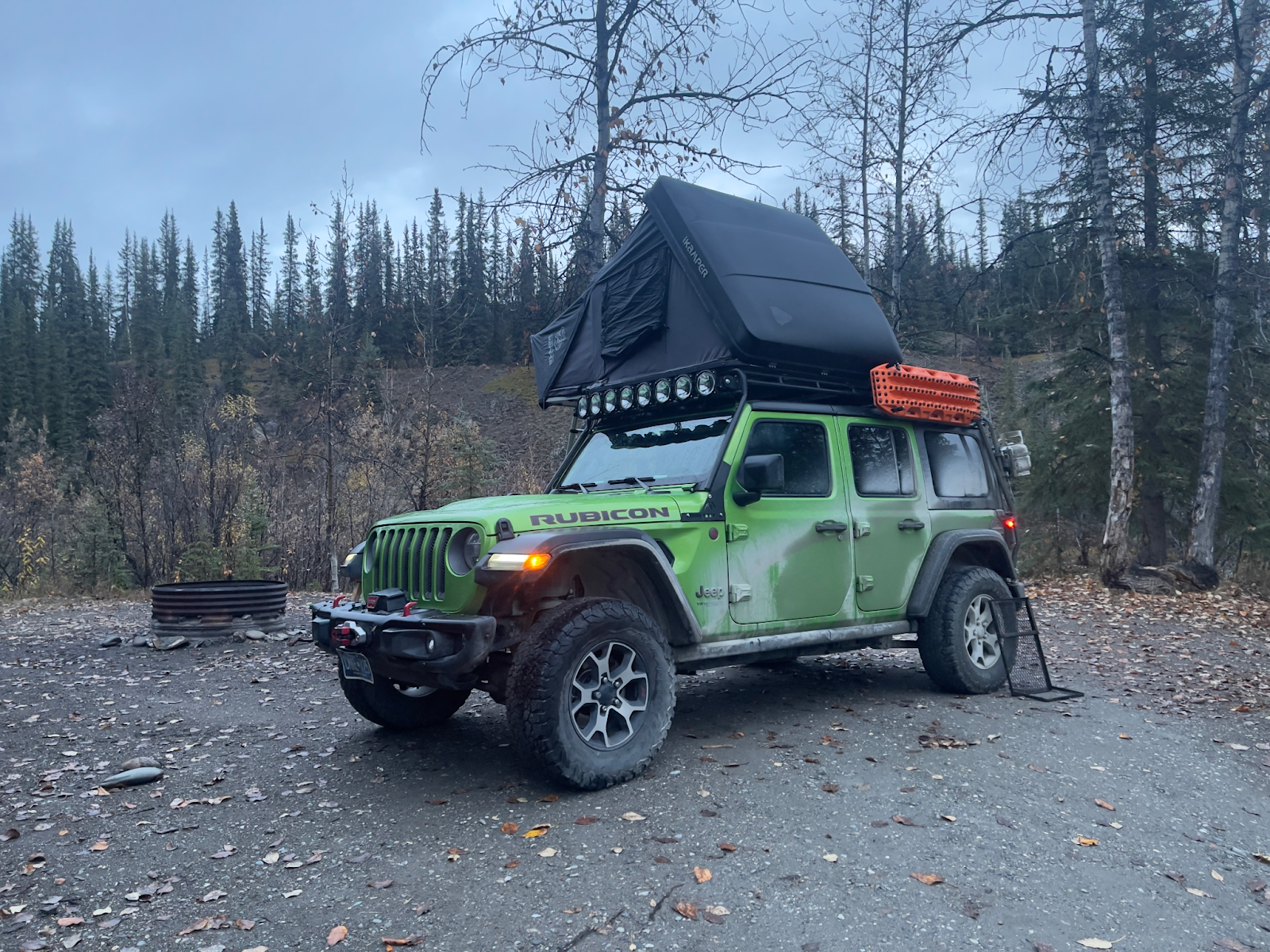
1. Modular Storage Containers
Modular storage containers are an excellent choice for organizing camping gear. They come in various sizes and can be stacked or arranged to fit the available space in a vehicle or campsite. These containers help keep items organized and protect them from the elements, ensuring everything from your cooking supplies to your first-aid kit remains in top condition.
- Durability: Made from robust materials that withstand outdoor conditions.
- Transparency: Clear containers allow for easy identification of contents.
- Portability: Many containers come with handles for easy transport.
Additionally, some modular containers are designed with specialized compartments, making it easy to separate items like utensils from food supplies or electronics from clothing. This level of organization saves time during setup and breakdown and enhances safety by preventing cross-contamination of food and gear.
2. Compression Bags
Compression bags are perfect for saving space, especially for bulky items like sleeping bags and clothing. By removing excess air, these bags reduce the volume of gear, making it easier to pack. They are particularly beneficial for long trips where every ounce of weight counts, allowing campers to bring along more essentials without overloading their backpacks.
- Lightweight: Ideal for backpackers who need to minimize weight.
- Water-Resistant: Protects contents from moisture.
Moreover, compression bags can also serve a dual purpose; when not in use, they can be utilized as additional padding for fragile items or as a makeshift pillow. Their versatility extends beyond just storage, making them a must-have for any outdoor enthusiast looking to optimize their gear setup.
3. Hanging Organizers
Hanging organizers can be a game-changer for keeping smaller items accessible and tidy. They can be hung from trees, tents, or vehicles, making them versatile for various camping setups. These organizers are particularly useful for keeping cooking utensils, toiletries, and other essentials within arm’s reach, enhancing the overall camping experience.
- Easy Access: Quickly grab what you need without digging through bags.
- Space-Saving: Utilizes vertical space effectively.
In addition to their practicality, many hanging organizers come with multiple pockets and compartments, allowing for a customized arrangement of gear. Some even feature weather-resistant materials, ensuring your items remain dry and secure, regardless of the conditions. This thoughtful design promotes organization and contributes to a more enjoyable and efficient camping trip, as you can focus on the adventure rather than the logistics of gear management.
Creative DIY Storage Ideas
For those looking to customize their camping gear storage, DIY solutions can be both fun and functional. Here are some creative ideas that can be easily implemented.
1. Repurposed Containers
Old containers, such as coffee cans or plastic jars, can be repurposed to store small items like utensils, spices, or first aid supplies. Labeling these containers can further enhance organization. Additionally, consider painting or decorating these containers to match your camping theme, adding a personal touch to your gear. You can even use clear jars to easily see the contents, making it simple to grab what you need without rummaging through your supplies.
2. PVC Pipe Storage
PVC pipes can be cut into sections and used as storage for items like fishing rods, tent poles, or as a holder for cooking utensils. This solution is both durable and lightweight. To make it even more versatile, you can attach these sections to the side of your camping vehicle or a portable storage unit, creating a compact and organized space. Furthermore, consider adding end caps to the pipes to keep dust and debris out, ensuring your gear remains clean and ready for your next adventure.
3. Magnetic Strips
Magnetic strips can be mounted in a camping kitchen setup to hold metal utensils, knives, or small tools. This keeps them off surfaces and within easy reach. For added functionality, you can use magnetic strips to hold spice containers or small metal tins filled with essential cooking ingredients, allowing you to maximize your cooking efficiency while minimizing clutter. Furthermore, these strips can be easily installed on the inside of your camping trailer door, providing a convenient storage solution that doesn’t take up valuable counter space.
Choosing the Right Storage Solutions for Your Needs
When selecting storage solutions for camping gear, it’s essential to consider the type of camping you’ll be doing. Different activities require different gear, which in turn necessitates various storage solutions.
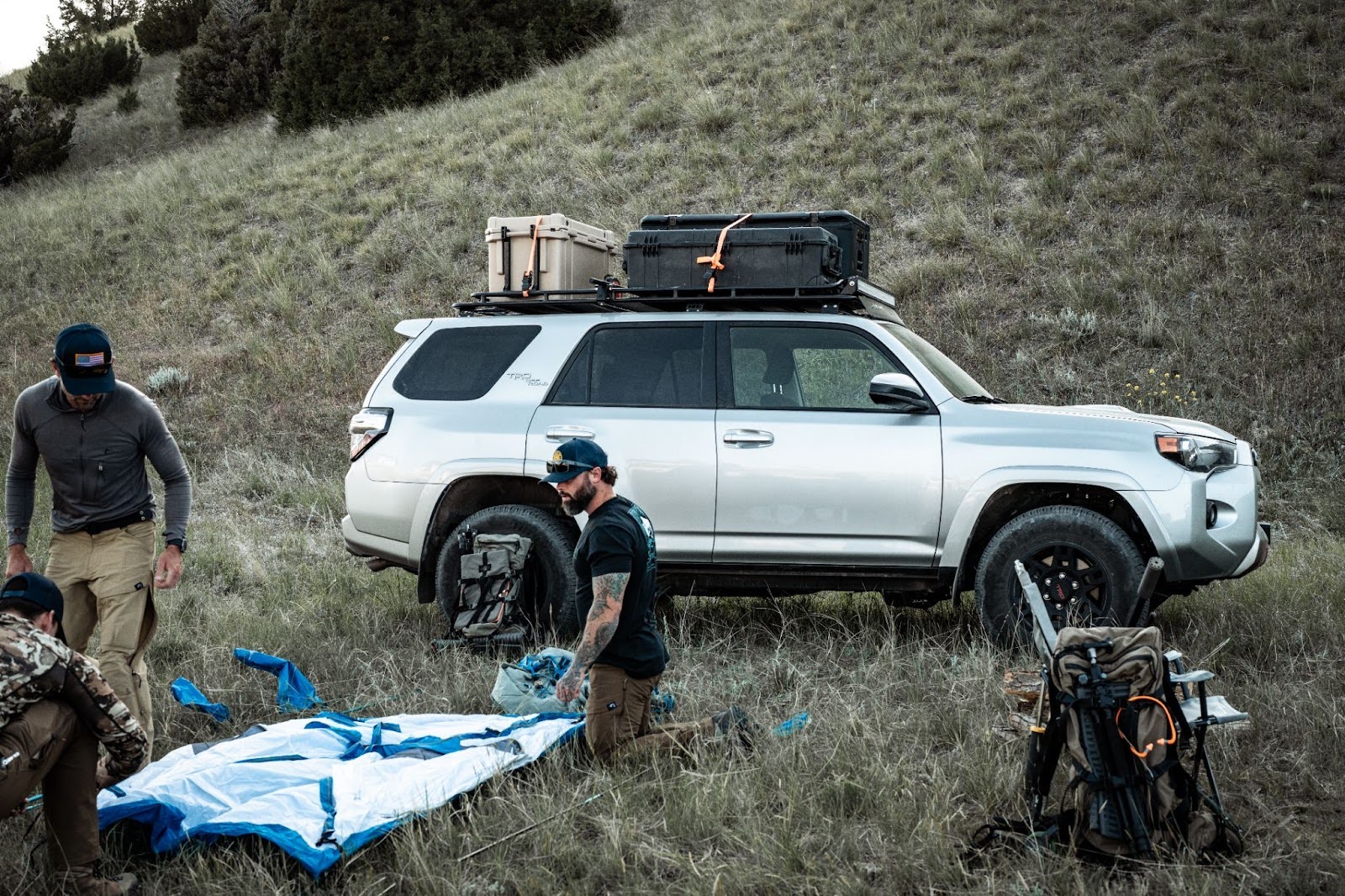
1. Car Camping vs. Backpacking
Car camping allows for more extensive storage options since you have the space of your vehicle to work with. In contrast, backpacking requires lightweight and compact solutions that can easily fit in a pack. For car camping, consider utilizing larger bins or coolers that can be securely stored in the trunk or backseat. These can be organized by categories, such as cooking supplies, sleeping gear, and recreational items, making it easy to access what you need without rummaging through everything. On the other hand, backpackers might opt for compression sacks or packing cubes that maximize space and keep items organized within their backpacks, ensuring every ounce counts when you’re on the trail.
2. Family Camping vs. Solo Trips
Family camping typically involves more gear and a need for organization to accommodate multiple people. Solo trips may allow for a more minimalist approach, focusing on essential items. When camping with family, it’s beneficial to invest in storage solutions that promote efficiency, such as multi-compartment organizers or collapsible storage bins that can be easily packed away when not in use. This way, each family member can have their own designated space for personal items, reducing clutter and making it easier to keep track of everyone’s gear. Conversely, solo campers might find that using a simple dry bag for clothing and a small, lightweight tote for cooking essentials is sufficient, allowing for a streamlined experience that emphasizes mobility and ease of setup.
3. Seasonal Considerations
Different seasons may require different gear. For instance, winter camping gear often includes bulkier items that need specialized storage solutions to keep them organized and accessible. Insulated sleeping bags, heavy-duty tents, and additional layers of clothing can take up significant space, making it crucial to have storage that can accommodate these larger items without compromising accessibility. Vacuum-sealed bags can be a game-changer for winter gear, as they reduce volume and protect against moisture. Additionally, consider using modular storage systems that can be adjusted based on the season, allowing you to swap out items as needed. In the warmer months, lightweight mesh bags can keep your gear ventilated and dry, while still being easy to pack away when not in use.
Utilizing Technology for Gear Management
In today’s digital age, technology can also play a role in organizing camping gear. There are various apps and tools available that can help manage inventory and ensure nothing is forgotten. From mobile applications to smart devices, the options are plentiful, making it easier than ever to prepare for an outdoor adventure without the stress of forgetting essential items.
1. Inventory Management Apps
Apps designed for inventory management can help keep track of camping gear. Users can create lists, categorize items, and set reminders for when to check or pack specific gear. Some of these apps allow users to scan barcodes or take photos of items, making it simple to add new gear to their inventory. Additionally, many of these applications offer cloud storage, so users can access their lists from multiple devices, ensuring they are always prepared, whether they are at home or on the go.
2. GPS Tracking Devices
For valuable items, GPS tracking devices can provide peace of mind. These devices can be attached to gear and allow users to locate them if misplaced during a trip. Beyond just tracking lost items, some advanced GPS devices come with features like geofencing, which sends alerts if the gear moves outside a designated area. This can be particularly useful for preventing theft or ensuring gear remains within a safe distance while camping in unfamiliar territories. Moreover, many of these devices now integrate with smartphones, allowing for real-time tracking and updates, enhancing the overall camping experience.
3. Smart Storage Solutions
In addition to apps and tracking devices, smart storage solutions are revolutionizing how campers organize their gear. Innovative storage containers equipped with sensors can monitor humidity and temperature, ensuring sensitive equipment remains in optimal conditions. Some of these containers even come with built-in RFID technology, allowing users to quickly check what’s inside without having to rummage through everything. This saves time and helps maintain the integrity of the gear, especially for items like food supplies or electronic devices that can be adversely affected by environmental factors.
4. Online Communities and Forums
Another technological advancement that aids in gear management is the rise of online communities and forums. Campers can share their experiences, tips, and recommendations for gear organization. These platforms often feature user-generated lists of essential items for various types of camping trips, from car camping to backcountry adventures. Engaging with these communities can provide valuable insights into the best practices for gear management, including how to efficiently pack and store items to maximize space and minimize weight. Additionally, many users share their personal inventory lists, which can serve as inspiration for others looking to streamline their own gear management processes.
Storage Solutions for Specific Gear Types
Different types of camping gear may require specialized storage solutions. Here are some recommendations for specific categories of equipment.
1. Cooking Gear
Cooking gear can be bulky and requires careful organization to ensure safety and efficiency. Consider using nesting cookware sets that fit inside each other to save space.
2. Sleeping Gear
Sleeping bags and pads can take up significant space. Use compression sacks or storage bags that allow for easy packing and unpacking while protecting the gear from moisture.
3. Clothing and Personal Items
Clothing can be organized using packing cubes, which help keep items separated and easy to access. Additionally, waterproof bags can protect personal items from rain or spills.
Maintaining Your Storage Solutions
Once effective storage solutions are in place, regular maintenance is crucial to ensure they remain functional and efficient. Here are some tips for maintaining organization.
1. Regular Inventory Checks
Conducting regular inventory checks can help identify missing items and ensure everything is in good condition. This practice can be particularly beneficial before embarking on a trip.
2. Cleaning and Repair
After each camping trip, take the time to clean and repair gear as needed. This will extend the life of the equipment and ensure it’s ready for the next adventure.
3. Seasonal Organization
As seasons change, so do camping needs. Organizing gear seasonally can help streamline packing and ensure the right equipment is always on hand.
Conclusion
Effective storage solutions for camping gear are essential for an enjoyable and stress-free outdoor experience. By understanding the importance of organization, exploring smart storage options, and utilizing creative DIY ideas, campers can ensure their gear is always organized and accessible. Whether embarking on a family camping trip or venturing out solo, investing time in organizing gear will enhance the overall adventure, allowing for more time spent enjoying the great outdoors.
Are you looking for a car accessory that will help organize your camping gear? Check out GOBI Racks. They sell roof racks, ladders, gear bags, and other accessories to help enhance your car for any camping trip. Be sure to view the Stealth Rack, as this rack comes with two removable crossbars and can hold 300 pounds comfortably. Happy shopping!