



Transporting a kayak can be a thrilling adventure, but securing it properly on your car’s roof rack is crucial for both safety and convenience. Whether you’re heading to a serene lake or navigating through rough waters, ensuring your kayak is firmly mounted will give you peace of mind during your journey. We will provide you with simple, step-by-step instructions to help you securely mount your kayak on your vehicle’s roof rack.
Understanding Your Roof Rack System
Before attempting to mount your kayak, it is essential to familiarize yourself with your car’s roof rack system. Roof racks come in various designs and configurations, and understanding how yours works will make the mounting process smoother. Knowing the specifics of your roof rack can also help you avoid common pitfalls, such as improper loading or inadequate securing of your kayak, which can lead to accidents on the road.
Types of Roof Racks
There are several types of roof racks available, each designed for different vehicles and purposes. The most common types include:
- Factory-Installed Racks: These are built into the vehicle and provide a solid base for mounting accessories. They are often designed to integrate seamlessly with the vehicle’s aesthetics and functionality.
- Aftermarket Racks: These can be purchased separately and may offer more versatility and customization options. Aftermarket racks can be tailored to specific activities, such as biking or skiing, making them a popular choice for outdoor enthusiasts.
- Cross Bars: These are horizontal bars that connect to the roof rack and provide a platform for securing items. Cross bars can vary in material, length, and adjustability, allowing you to choose the best fit for your kayak or other gear.
Weight Limit Considerations
Every roof rack has a weight limit that should never be exceeded. This limit includes the weight of the kayak and any accessories. Always check the manufacturer’s specifications to ensure you are within safe limits. Exceeding this weight can lead to damage to your vehicle and pose safety risks while driving. Additionally, it’s important to consider the distribution of weight on the rack; uneven loading can affect the vehicle’s handling and increase the risk of swaying or instability during transit.
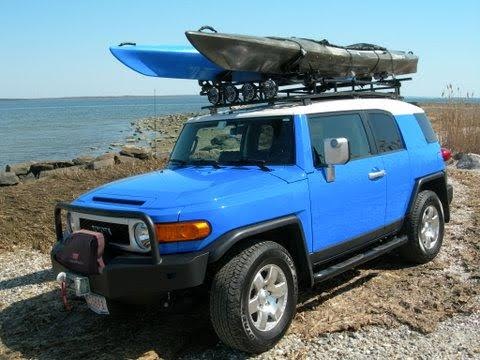
When preparing to transport your kayak, take a moment to assess the weight and the dimensions of your kayak to your roof rack. Some kayaks are wider or longer than others, which can impact how they sit on the roof. Using foam blocks or cradles can help stabilize the kayak and prevent it from shifting during travel. Furthermore, be mindful of factors such as wind resistance and overall vehicle height when loading your kayak, as these can influence fuel efficiency and maneuverability on the road.
Gathering Necessary Equipment
Once you understand your roof rack system, it’s time to gather the necessary equipment for mounting your kayak. Having the right tools and accessories will streamline the process and ensure a secure fit. Proper preparation enhances safety and protects your kayak from potential damage during transit, allowing you to focus on enjoying your time on the water.
Essential Tools and Accessories
Here’s a list of items you may need:
- Kayak Straps: These are designed specifically for securing kayaks and should be durable and weather-resistant.
- Bow and Stern Lines: These additional lines help stabilize the kayak during transport.
- Padded Kayak Cradles: These provide extra support and protection for your kayak while mounted.
- Ratchet Straps: These can provide a tighter hold and are useful for larger kayaks.
In addition to the essentials, consider investing in a quality kayak cart if you plan to transport your kayak over longer distances. A kayak cart allows for easy maneuvering from your vehicle to the water’s edge, reducing the strain on your back and arms. Furthermore, a set of rubberized gloves can enhance your grip when handling straps and securing your kayak, especially in wet conditions. Remember, the goal is to ensure your kayak is secure and easy to handle before and after your adventures.
Lastly, don’t overlook the importance of a good set of tie-down points on your roof rack. These points should be strategically placed to allow for the best distribution of weight and stability. Some roof racks come with built-in tie-down points, while others may require additional accessories. Ensuring your kayak is evenly balanced and securely fastened will help prevent any shifting during travel, which can lead to accidents or damage. With the right equipment and careful planning, you can embark on your kayaking journeys with confidence.
Preparing Your Kayak for Transport
Before placing your kayak on the roof rack, it’s important to prepare it for transport. Proper preparation can prevent damage to both the kayak and your vehicle.
Cleaning Your Kayak
Start by cleaning your kayak thoroughly. Remove any debris, dirt, or sand that may have accumulated. This protects your vehicle’s roof from scratches and helps maintain the integrity of the kayak. A gentle rinse with fresh water is ideal, especially if you’ve been in saltwater, as salt can corrode materials over time. Additionally, using a soft sponge or cloth can help eliminate stubborn stains without scratching the surface.
Inspecting for Damage
Check your kayak for any signs of damage, such as cracks or leaks. Addressing these issues before transport will ensure a safer journey and prolong the lifespan of your kayak. Pay special attention to the seams and any areas that may have been subjected to stress during previous outings. If you find any minor cracks, consider using a marine-grade adhesive or sealant to make quick repairs. This proactive approach saves you time and money in the long run and gives you peace of mind while on the road.
Securing Loose Accessories
Before you hit the road, ensure that all loose accessories are secured or removed from your kayak. Items such as paddles, life jackets, and dry bags can easily become projectiles if not properly stowed. Consider using bungee cords or straps to secure any items that remain on the kayak, and double-check that everything is tightly fastened. This keeps your gear safe and minimizes wind resistance, which can improve fuel efficiency during transport.
Choosing the Right Straps
When it comes to securing your kayak to the roof rack, selecting the right straps is crucial. Opt for cam buckle straps or ratchet straps that are designed specifically for transporting kayaks. These types of straps provide a secure hold without the risk of over-tightening, which can lead to deformation of the kayak. Additionally, using foam blocks or cradles can help distribute the weight evenly across the kayak, reducing the risk of damage during transit. Always ensure the kayak is centered on the roof rack and that the straps are tightened adequately to prevent any shifting while driving.
Mounting the Kayak on the Roof Rack
With your kayak prepared and your equipment ready, you can now proceed to mount the kayak onto your roof rack. Follow these steps for a secure fit:
Positioning the Kayak
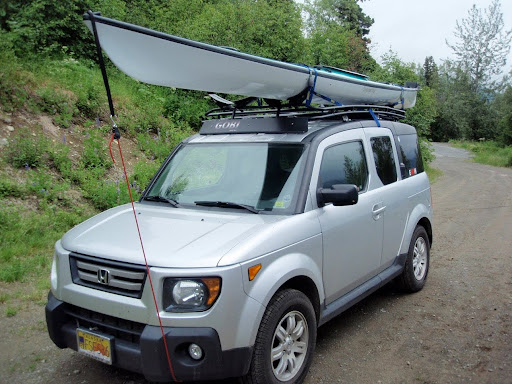
Carefully lift the kayak onto the roof rack. It’s often easier to do this with a second person, but if you’re alone, consider using a kayak loader or a foam block to assist. Position the kayak upside down on the roof rack, as this minimizes wind resistance and protects the hull. It’s also beneficial to check the weight distribution on the roof rack to ensure the kayak is balanced. A well-balanced kayak will be easier to drive with and will reduce the risk of damaging your vehicle or the kayak itself during transit.
Securing the Kayak with Straps
Once the kayak is in position, it’s time to secure it using the kayak straps:
- Take one strap and loop it over the kayak, ensuring it is centered.
- Bring the ends of the strap down to the roof rack and secure them tightly.
- Repeat this process with a second strap, ensuring both straps are equally tight.
After securing the straps, it’s wise to perform a quick check to ensure everything is properly fastened. Gently shake the kayak to see if it shifts at all; if it does, tighten the straps further. Additionally, consider using bow and stern lines for extra security, especially if you plan to travel at high speeds or over long distances. These lines attach to the front and back of the kayak, anchoring it firmly to the vehicle and providing peace of mind that your kayak will stay in place no matter the road conditions.
Before hitting the road, remember to double-check any local regulations regarding transporting kayaks. Some areas may have specific requirements for how far the kayak can extend beyond the vehicle or may mandate the use of additional safety flags. Being aware of these rules helps you avoid fines and ensures the safety of other drivers on the road. With everything secured and compliant, you’re ready to embark on your kayaking adventure!
Using Bow and Stern Lines
To further stabilize your kayak during transport, it’s advisable to use bow and stern lines. These lines help prevent the kayak from shifting or lifting while driving.
Attaching Bow and Stern Lines
Follow these steps to attach the bow and stern lines:
- Locate the bow and stern points on your kayak.
- Attach one end of the line to the kayak and the other end to the front and rear of your vehicle, respectively.
- Ensure the lines are taut but not overly tight, which could damage the kayak.
Checking Stability
After securing the kayak with straps and lines, give it a gentle shake to check for stability. If there’s any movement, re-adjust the straps and lines until the kayak feels secure.
Safety Tips for Transporting Your Kayak
Transporting a kayak involves certain safety considerations. Keeping these tips in mind can help ensure a safe journey.
Driving Considerations
When driving with a kayak on your roof, be mindful of the following:
- Height Awareness: Be aware of your vehicle’s new height, especially when passing under bridges or entering parking garages.
- Speed Limits: Avoid high speeds, as wind resistance can cause the kayak to shift.
- Frequent Checks: Stop periodically to check the stability of the kayak and the tightness of the straps.
Legal Considerations
Some regions have specific regulations regarding the transport of kayaks. Familiarize yourself with local laws to avoid fines or penalties. This may include requirements for visible flags or lights if the kayak extends beyond the vehicle’s length.
Unloading Your Kayak
After reaching your destination, it’s time to unload your kayak. Proper unloading techniques can prevent damage to both the kayak and your vehicle.
Removing the Straps and Lines
Begin by carefully removing the bow and stern lines, followed by the straps securing the kayak. Make sure to keep the straps organized to prevent tangling for future use.
Safely Lifting the Kayak Off the Roof
When lifting the kayak off the roof rack, use proper lifting techniques to avoid injury:
- Stand close to the kayak.
- Bend your knees and keep your back straight.
- Lift with your legs, not your back, and lower the kayak gently to the ground.
Storing Your Kayak After Use
Once you’ve finished using your kayak, proper storage is essential for maintaining its condition. Here are some tips for effective storage:
Choosing the Right Storage Location
Store your kayak in a cool, dry place away from direct sunlight. Prolonged exposure to UV rays can damage the kayak’s material. If possible, store it indoors or use a protective cover if storing outside.
Using a Kayak Rack
If you have space, consider investing in a kayak rack for storage. This keeps the kayak elevated and prevents it from getting scratched or damaged. If a rack isn’t an option, hanging the kayak from the ceiling or using padded stands can also work.
Additional Resources and Tools
For those looking to enhance their kayak transport experience, various resources and tools can provide further assistance.
Online Tutorials and Videos
Many online platforms offer video tutorials that demonstrate the kayak mounting process step-by-step. These can be particularly helpful for visual learners.
Local Kayaking Communities
Joining local kayaking groups can provide valuable insights and tips from experienced kayakers. These communities often share best practices for transporting kayaks and may even organize workshops.
Transport Made Simple
Securing a kayak on your car’s roof rack may seem daunting at first, but by following these simple steps, you can ensure a safe and enjoyable transport experience. Understanding your roof rack system, preparing your kayak, and using the right equipment are all essential components of the process. With careful attention to safety and stability, you can focus on the adventure ahead, knowing your kayak is securely mounted and ready for the water.
Planning your next kayaking trip? GOBI Racks offers durable roof racks, ladders, gear bags, and more—built to make outdoor adventures easier and safer. The Stealth Rack is ideal for hauling kayaks, with a no-drill mounting system, two removable crossbars, and a 300-pound capacity. Secure your gear and hit the water with confidence. Order yours today!
Check out GOBI Racks. They sell roof racks, ladders, gear bags, and other vehicle accessories designed to enhance the exterior of your car. Be sure to view the Stealth Rack, as this rack comes with two removable cross bars, has a no-drill mounting system, and can hold 300 pounds comfortably. It’s the perfect addition for any kayaking trip! Place your order today.