




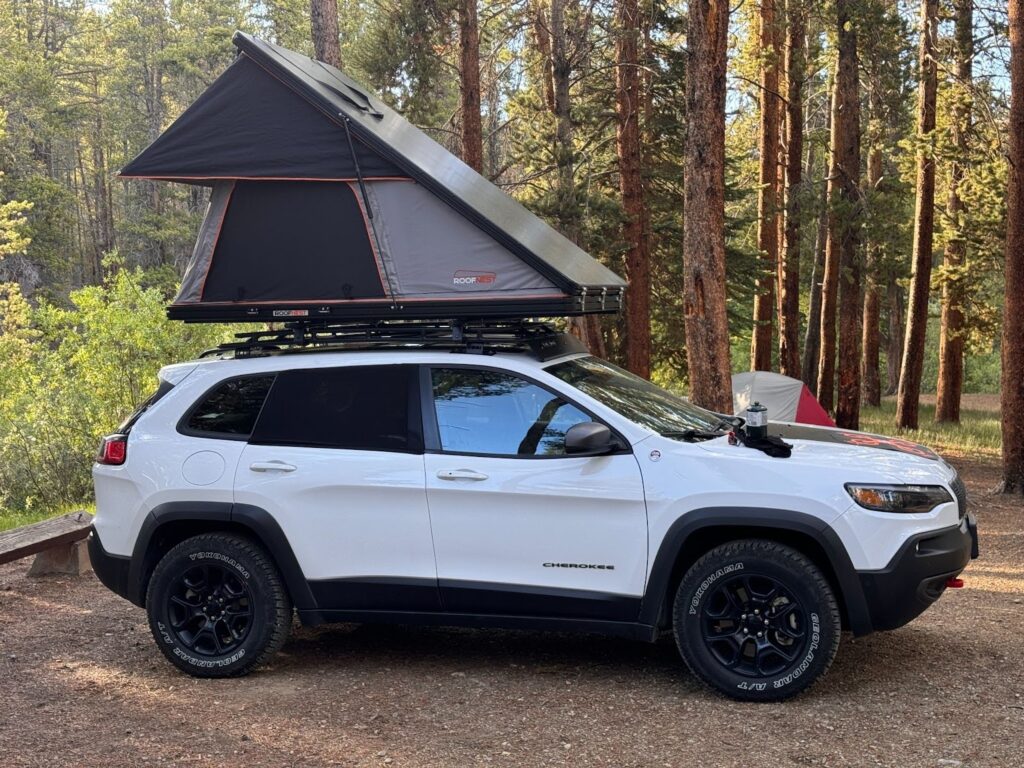
The rooftop tent craze has swept across campgrounds, deserts, and social media feeds alike. From weekend warriors chasing trailheads close to home to globe-trotters living full-time on the road, thousands of drivers have decided that a bed above the roof beats one on the damp ground. Yet the leap from ground tent to rooftop palace is bigger than ordering a new piece of gear. Weight, wind, center of gravity, rack selection, and on-road etiquette all change the moment a tent is bolted overhead. The following guide breaks down every major consideration before mounting up, so that the next sunrise can be savored rather than survived.

The Rise of Rooftop Tents: More Than a Trend
Adventure retail analysts at the Outdoor Industry Association recorded a 300 percent jump in rooftop-tent sales between 2018 and 2023. The surge is powered by social media, certainly, but also by real-world advantages: elevated sleeping quarters avoid crawling insects and soggy ground, deploy in minutes, and free up cargo space inside the vehicle. Modern hard-shell designs can be opened by a single person in under 60 seconds, while soft-shell models stretch into spacious annex rooms that shelter dogs, kids, or a portable kitchen.
Automakers have taken note. Jeep integrated accessory mounting points on the Wrangler JL, Toyota offers a factory-branded TRD tent for the Tacoma, and electric startups like Rivian design roof load limits, assuming owners will strap a tent up top. Consequently, a robust after-market ecosystem has evolved, providing racks, ladders, and awnings engineered specifically to support the extra mass. Picking the right combination of tent and rack is therefore the first—and arguably most critical—decision an aspiring overlander will make.
Beyond the practical benefits, the rise of rooftop tents also reflects a broader cultural shift towards outdoor experiences and a desire for adventure. As urban dwellers seek to escape the hustle and bustle of city life, many are turning to the great outdoors for solace and recreation. Rooftop tents allow for spontaneous weekend getaways and longer road trips, enabling users to set up camp in remote locations that might be inaccessible with traditional camping gear. This newfound freedom has encouraged a surge in outdoor enthusiasts who are eager to explore national parks, forests, and hidden gems across the country, all while enjoying the comforts of a cozy sleeping space above ground.
Moreover, the community aspect surrounding rooftop tent camping has flourished, with social media platforms serving as a hub for sharing experiences, tips, and stunning photography. Enthusiasts frequently post their adventures, showcasing breathtaking views from their elevated sleeping quarters and inspiring others to join the movement. Online forums and groups have emerged, where users exchange advice on the best camping spots, gear modifications, and even cooking techniques for campfire meals. This sense of camaraderie not only enhances the camping experience but also fosters a deeper appreciation for nature and the importance of sustainable practices among outdoor lovers.
Match Tent to Vehicle: Weight, Fit, and Safety First
Every vehicle has two roof-load numbers to know. The static load rating is the amount the roof can handle while parked; the dynamic rating indicates what it can safely carry while moving. A typical midsize SUV posts dynamic figures in the 150–200 lb range and static numbers around 700–800 lb. Because rooftop tents often weigh 120–180 lb before gear or occupants, those limits can be reached quickly. Start with the tent manufacturer’s published weight, then add crossbars, mounting hardware, bedding, and the heaviest adult sleeper expected. The combined number must fall well under the static rating and, ideally, not exceed 70 percent of the dynamic rating to leave room for highway wind loads and off-road jolts.
Dimensions matter as well. A tent footprint that hangs over the windshield can create distracting wind noise and reduce efficiency. One that extends past the rear hatch may block lift-gate access or interfere with rearview-camera visibility. Always measure twice, accounting for auxiliary items like shovel mounts or jerry-can holders that can add precious inches. Finally, verify ladder length; many manufacturers ship a “standard” ladder that proves too short for lifted rigs on 35-inch tires.
Choose the Right Rack: Why a Solid Foundation Matters
Rooftop-tent companies typically void warranties if a rack bends or shears, underscoring the need for a proven platform. Full-length, fully welded steel baskets distribute weight more evenly than independent factory crossbars. They also supply plentiful tie-down points for solar panels, recovery boards, and seasonal gear that inevitably join the build later.
GOBI Racks exemplify that philosophy with two primary styles: the Ranger Rack features a four-inch-deep basket with rounded corners for a classic off-road look, while the Stealth Rack maintains a two-inch profile ideal for low-clearance garages. Both versions bolt to factory mounting points—no drilling required—and are tested to around 800 lb static and roughly 300 lb dynamic. Because the racks are fully welded rather than assembled from individual bars, squeaks are virtually eliminated even after years of washboard roads.
Beyond structural integrity, think about modularity. Many overlanders add elevation crossbars above the rack so that a tent sits flush while kayaks or bikes slip underneath. Others prefer low-profile adjustable bars that keep overall height to a minimum. Whichever path is chosen, check compatibility with roof-top-tent mounting tracks. Some tents use proprietary channels that demand specific bar spacing. An hour of research here prevents a weekend of garage-side frustration later.
Installing Without Drilling: The Appeal of GOBI Racks
Nobody enjoys taking a power drill to virgin sheet metal, especially on a brand-new Bronco or Land Rover Defender. The no-drill mounting system used by GOBI Racks clamps to existing factory points, preserving paint and resale value. Installations can generally be handled by two people and a pair of wrenches in an afternoon. Gas struts on optional ladders mean the ladder can swing down one-handed, a small luxury after miles of rocky switchbacks.
Customization extends well beyond lights and sunroof cutouts. Buyers can opt for front risers that shield dual-row LED bars, order up mesh floors to support firewood, or skip mesh entirely to trim weight. All racks are finished in a dual-layer powder coat plus anti-rust undercoat, a vital detail for East Coast drivers battling salty winter roads. With manufacturing carried out in Aurora, Colorado, quality control remains tight, and replacement parts arrive fast when UPS inevitably dings a corner.
Real-World Durability Feedback
Overlanding forums echo similar praise: “Had my rack for years, sturdy, great quality, perfect fit,” reports one Reddit user. Another notes, “I’ve had a Stealth on my 4Runner for a few months and absolutely love it. It was easy to install, and nothing has loosened up even after a week on the White Rim trail.” While anecdotes do not replace lab data, they reinforce that skimping on the foundation is the surest way to sour the tent experience.
Packing Smart: Gear, Load Bars, and Balance
With the tent mounted, attention shifts to everything else. Every pound added above the roof raises the center of gravity, potentially reducing rollover thresholds on off-camber tracks. Use a postal scale or luggage scale to weigh water containers, traction boards, and camp boxes before they go aloft. Heavier items—fuel, full coolers, recovery gear—belong as low as possible, usually in the cargo area between the axles.
Standard adjustable load bars from GOBI Racks keep cargo even with the top rail, preventing sliding and wind vortexes that sap mileage. Those running rooftop tents plus kayaks or fishing-rod vaults may prefer elevation crossbars that sit above the basket, creating a second tier of mounting real estate. Because both bar styles accept popular clamps from Thule or Yakima, mixing legacy gear is straightforward.
Weight Distribution Checklist
- Keep total roof load under 10 percent of vehicle curb weight.
- Place the heaviest roof items as far forward as possible to reduce porpoising.
- Avoid stacking hard objects (toolboxes, propane bottles) atop the tent; deploy them inside the vehicle or on a swing-out bumper.
- Re-torque tent mounting bolts after the first 100 miles, then every 1,000 miles.
Living Large Up Top: Comfort, Weather, and Wildlife
Once the ladder is extended and the canvas unfurled, the rewards become obvious: panoramic views, cool breezes, and fewer scurrying critters. Still, comfort hinges on several prep items. A 10 cm self-inflating mattress often comes stock, but adding a 3 cm memory foam topper transforms sleep quality without consuming much closing space. In winter, an anti-condensation mat reduces moisture buildup under sleeping bags, and a compact 12-volt heated blanket keeps occupants cozy without running the engine all night.
Weatherproofing is equally important. Most tents rate 2,000–3,000 mm on the hydrostatic head scale—sufficient for moderate rain but tested marginally in sideways mountain storms. Pack a small tarp and paracord to fashion a fly if forecasts threaten. Wind is the larger foe; gusts above 40 mph can flex fiberglass shells and vibrate aluminum frames. Parking nose-into the wind and using natural windbreaks like tree lines or boulders minimizes fatigue on hardware and nerves alike.
Wildlife Etiquette
Elevated sleeping quarters deter ground-dwelling creatures, but food scents attract bears regardless of altitude. Follow established bear-safe protocols: store scented items in bear-proof canisters or locked vehicles at least 100 feet from camp. Many national parks now charge for noncompliance, and a rack full of dented panels is a pricier penalty besides.
On-Road and Off-Road Driving Tips with a Roof Tent
Aerodynamics change once a tent crowns the roof. Expect fuel economy drops of 10–20 percent, with soft-shell models taking the larger hit. Maintaining highway speeds under 70 mph mitigates the penalty and adds a margin of safety in crosswinds. Tire pressure monitors should be calibrated because the additional roof mass alters suspension sag; 2–3 psi extra in the rear tires often restores factory ride height.
Off-road, slow steering inputs are critical. The higher center of gravity can cause top-heavy sway over ruts that scarcely bothered the vehicle before. Approach steep side slopes conservatively and walk questionable obstacles first. Many seasoned guides recommend a maximum side-lean angle of 15 degrees when a rooftop tent is installed, down from the 22-degree threshold some SUVs advertise. Recovery procedures must likewise adapt: snatch-strap yanks can jolt both rack and tent, so opt for slow, controlled winch pulls when possible.
Legal and Insurance Considerations
Regarding camping regulations, several states, including California and Washington, classify roof tents as “cargo” rather than “camping structures,” permitting overnight stays in designated parking zones where ground tents are banned. Check height limits on ferries, toll booths, and parking garages; a mid-size SUV with 33-inch tires and a Stealth rack and hard-shell tent often measures close to 7.5 feet. Finally, notify the insurance company. Some policies treat rooftop tents as permanent accessories, covering theft or accident damage, while others require add-on endorsements.

Maintenance, Security, and Long-Term Longevity
A rooftop tent that drains properly and dries fully can last more than a decade. Open the tent to air out within 24 hours of any wet trip. Lubricate zippers quarterly with silicone spray, and inspect hinge points for play. Rack maintenance is equally simple yet essential: spray off road salt, touch up chips with rust-inhibiting paint, and verify powder-coat integrity at welds. The integrated perimeter rail helps shield tents from branch strikes, but no coating can survive constant rock chips without occasional love.
Security comes down to high-quality locks on both the tent latches and rack bolts. Manufacturers like McGard and Yakima produce tamper-resistant nuts that thread onto 3/8-inch bolts commonly used on rack feet. A compact Bluetooth tracker hidden in the tent shell adds an extra layer of protection and aids recovery in the rare event of theft.
Final Campsite Thoughts
Rooftop-tent living delivers sunrise vistas and midnight meteor showers that ground camping seldom matches. Yet those rewards ride on diligent prep: choosing a tent that fits weight limits, anchoring it to a rack engineered for real-world loads, and adjusting driving habits to the new profile. With their no-drill install, fully welded construction, and made-in-Colorado pedigree, GOBI Racks offer one of the most confidence-inspiring foundations available. Dial in the small details now, and the only thing left to consider will be which horizon to chase next.
Discover the Perfect Foundation for Your Rooftop Tent
Ready to elevate your camping experience with a rooftop tent? Ensure your adventure starts on the right track with GOBI Racks. Our durable, no-drill Ranger Rack is designed to complement your vehicle’s exterior while providing a sturdy, reliable base for your rooftop abode. With two removable cross bars and a 300-pound load capacity, it’s the ideal choice for adventurers who demand quality and convenience. Don’t wait to transform your vehicle into the ultimate adventure-ready rig. Shop Now and prepare for countless horizon-chasing journeys with GOBI Racks.