



Off-roading is an exhilarating activity that allows adventure seekers to explore the great outdoors in a way that traditional vehicles simply cannot. Whether navigating rocky trails, muddy paths, or sandy dunes, off-roading offers a unique experience that appeals to many. This guide provides an overview of off-roading for beginners, covering everything from vehicle choices to essential gear, techniques, and safety tips.
Understanding Off-Roading
Off-roading refers to driving a vehicle on unpaved surfaces, which can include dirt roads, rocky paths, and natural terrains. The appeal lies in the thrill of adventure and the ability to reach remote locations that are inaccessible by standard vehicles. Off-roading provides an escape from the hustle and bustle of everyday life and offers a unique way to connect with nature, allowing enthusiasts to explore breathtaking landscapes that are often hidden from the mainstream tourist trails. Whether it’s the serenity of a forest trail or the adrenaline rush of a steep hill climb, off-roading can be a transformative experience.
Types of Off-Roading
Off-roading can be categorized into several types, each presenting its own challenges and experiences. Here are the most common types:
- Trail Riding: This involves driving on established trails, which can range from easy to difficult. It’s a great way for beginners to start, as it allows them to learn the basics of vehicle handling in a relatively controlled environment. Many trails are marked with difficulty levels, helping drivers choose routes that match their skill set.
- Rock Crawling: This is a more advanced form of off-roading that involves navigating over large rocks and boulders. It requires specialized vehicles and skills, as drivers must carefully assess each obstacle to avoid damaging their vehicles. Enthusiasts often modify their vehicles with heavy-duty suspensions and reinforced frames to tackle these challenging terrains.
- Mudding: As the name suggests, this type involves driving through muddy terrains, which can be both fun and challenging. The thrill of splashing through puddles and navigating through thick mud can be exhilarating, but it also demands a keen understanding of traction and vehicle control to avoid getting stuck.
- Sand Duning: This involves driving on sandy surfaces, such as dunes or beaches, and requires specific techniques to avoid getting stuck. Drivers often use lower tire pressures to increase the vehicle’s surface area, enhancing flotation on soft sand. The experience of gliding over dunes can feel like flying, making it a favorite among off-roaders.
Choosing the Right Vehicle
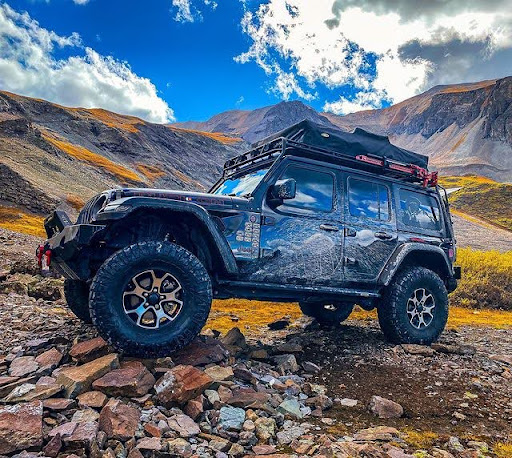
When it comes to off-roading, not all vehicles are created equal. The choice of vehicle can significantly impact the off-roading experience. Here are some popular options:
- 4×4 Trucks: These vehicles are designed for off-road conditions and often come equipped with features like high ground clearance and durable tires. Many models offer advanced four-wheel-drive systems that enhance traction on slippery or uneven surfaces, making them versatile for various terrains.
- ATVs (All-Terrain Vehicles): Smaller and more agile, ATVs are perfect for navigating tight trails and rough terrains. Their lightweight design allows for quick maneuverability, making them ideal for exploring dense forests or rocky paths where larger vehicles may struggle.
- UTVs (Utility Task Vehicles): These vehicles offer more seating and storage, making them ideal for group adventures. With their robust build and versatility, UTVs can handle a variety of off-road conditions, from steep inclines to muddy trails, while providing a comfortable ride for passengers.
Essential Gear for Off-Roading
Equipping oneself with the right gear is crucial for a safe and enjoyable off-roading experience. Below are essential items that every off-roader should consider:
Safety Gear
Safety should always be a top priority when off-roading. Here’s a list of essential safety gear:
- Helmet: A good-quality helmet protects against head injuries, especially in more extreme off-roading activities.
- Gloves: Durable gloves provide grip and protect hands from abrasions.
- Protective Clothing: Long sleeves and pants made of durable materials can protect against scrapes and the elements.
In addition to the basics, consider investing in knee and elbow pads for extra protection during rough rides. These pads can absorb impacts and prevent injuries from falls or collisions with branches and rocks. Furthermore, a high-visibility vest can be a lifesaver, especially in low-light conditions or when navigating through dense foliage, ensuring you remain visible to others in your group.
Navigation Tools
Getting lost in the wilderness can be a real concern. Having the right navigation tools can make all the difference:
- GPS Devices: A reliable GPS can help track your location and route.
- Maps: Always carry a physical map as a backup in case electronic devices fail.
- Compass: A simple compass can be invaluable for navigation.
Moreover, consider downloading offline maps on your smartphone or GPS device before heading out, as cell service can be spotty in remote areas. A portable power bank can also be a smart addition to keep your devices charged throughout the trip. Familiarizing yourself with the terrain and potential hazards in advance can enhance your navigation skills, making it easier to plan your route and avoid getting lost.
Vehicle Recovery Equipment
Even the most experienced off-roaders can get stuck. Having recovery gear can help get you out of tricky situations:
- Winch: A winch can pull your vehicle out of mud or over obstacles.
- Shovels: A compact shovel can be useful for digging out tires.
- Recovery Straps: These can be used to pull a stuck vehicle out with another vehicle.
In addition to these items, a tire repair kit is essential for dealing with punctures or leaks that can occur on rough terrain. A high-lift jack can also be incredibly useful for lifting your vehicle in case of a flat tire or when you need to change a tire in challenging conditions. Always remember to practice your recovery techniques before heading out, as knowing how to use your gear effectively can save time and prevent frustration when you find yourself in a bind.
Techniques for Off-Roading
Mastering off-roading techniques is essential for a safe and enjoyable experience. Here are some fundamental techniques to consider:
Driving Techniques
Understanding how to handle your vehicle in various terrains can make a significant difference:
- Throttle Control: Smooth acceleration is key. Sudden movements can cause loss of traction.
- Steering: Keep your hands steady on the wheel and make gradual adjustments to maintain control.
- Braking: Use engine braking when going downhill to maintain control and avoid skidding.
Additionally, mastering the art of cornering can greatly enhance your off-roading experience. When approaching a turn, it’s important to reduce your speed beforehand and steer smoothly into the curve. This technique helps maintain traction and allows you to navigate through tight spots without losing control. Furthermore, practicing hill climbs and descents can build your confidence; learning to gauge the right angle and speed for ascending or descending steep inclines is vital for safety and vehicle integrity.
Terrain Awareness
Being aware of the terrain is crucial for off-roading success:
- Watch for Obstacles: Always look for rocks, logs, and other obstacles that could damage your vehicle.
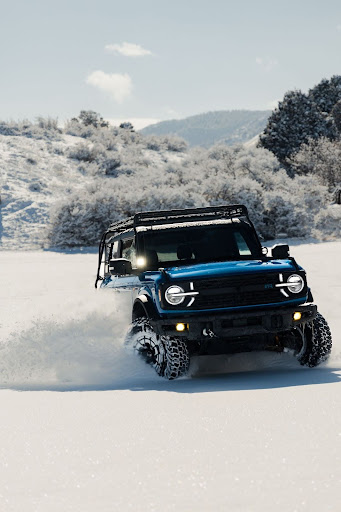
- Assess the Conditions: Mud, sand, and snow require different techniques and vehicle settings.
- Know Your Limits: Avoid pushing your vehicle beyond its capabilities.
Moreover, understanding the different types of terrain can help you prepare your vehicle accordingly. For instance, rocky terrains necessitate a higher ground clearance, while sandy areas require lower tire pressure for better traction. Additionally, familiarizing yourself with the local flora and fauna can enhance your off-roading adventures; knowing where to find scenic views or wildlife hotspots can turn an ordinary trip into an unforgettable experience.
Group Riding Etiquette
Off-roading is often enjoyed in groups, and adhering to etiquette can enhance the experience for everyone:
- Stay Together: Keep the group close to avoid getting lost.
- Communicate: Use hand signals or radios to communicate with fellow riders.
- Respect Nature: Stay on designated trails and avoid damaging the environment.
In addition to these guidelines, it’s important to establish a leader and a tail-end vehicle to ensure everyone is accounted for throughout the journey. This helps in navigation and fosters a sense of camaraderie among the group. Furthermore, sharing responsibilities, such as scouting ahead for potential hazards or taking turns leading, can enhance the overall experience and ensure everyone feels involved and valued during the adventure.
Safety Tips for Off-Roading
Safety is paramount in off-roading. Here are some tips to ensure a safe adventure:
Pre-Trip Preparations
Before heading out, take time to prepare:
- Vehicle Inspection: Check tire pressure, fluid levels, and brakes before departure.
- Plan Your Route: Familiarize yourself with the area and plan your route in advance.
- Inform Someone: Let someone know your plans and expected return time.
Additionally, consider checking the weather forecast to avoid unexpected conditions that could impact your trip. Rain, snow, or extreme temperatures can drastically alter trail conditions and vehicle performance. It’s also wise to pack extra supplies, including food and clothing suitable for changing weather, ensuring you are prepared for any situation that may arise.
During the Trip
While on the trail, keep these safety tips in mind:
- Stay Hydrated: Bring plenty of water to avoid dehydration.
- Take Breaks: Regular breaks can help prevent fatigue.
- Be Aware of Wildlife: Keep an eye out for animals that may cross your path.
Moreover, it’s essential to maintain a safe distance from other vehicles and avoid driving too close to the edge of trails, especially in steep or rocky areas. Off-roading can be unpredictable, and maintaining a cautious approach can prevent accidents. If you’re traveling in a group, establish hand signals or communication methods to ensure everyone is aware of any obstacles or changes in the trail ahead.
Emergency Preparedness
Being prepared for emergencies can save lives:
- First Aid Kit: Always carry a well-stocked first aid kit.
- Emergency Contact: Have a way to contact emergency services if needed.
- Survival Gear: Consider carrying a whistle, flashlight, and multi-tool.
In addition to these essentials, consider equipping your vehicle with a spare tire, jack, and basic tools to handle minor repairs. Familiarize yourself with how to use these tools before your trip, as knowing how to change a tire or make simple adjustments can be invaluable in remote areas. Furthermore, it’s beneficial to have a map and compass or a GPS device, as cell service can be unreliable in off-road locations, ensuring you can navigate effectively even without a signal.
Environmental Considerations
Off-roading can impact the environment, and it’s essential to be responsible while enjoying this activity. Here are some considerations to keep in mind:
Leave No Trace Principles
Following the Leave No Trace principles can help minimize your impact on the environment:
- Plan Ahead: Prepare for your trip to minimize waste and disruption.
- Travel on Durable Surfaces: Stick to established trails to avoid damaging vegetation.
- Dispose of Waste Properly: Pack out all trash and waste.
In addition to these principles, it’s beneficial to educate yourself about the specific ecosystems you will be traversing. Different regions have unique flora and fauna, and understanding these can enhance your appreciation for the environment while ensuring you take the necessary precautions to protect it. For instance, in desert areas, the delicate soil and plant life can take years to recover from damage, making it even more crucial to adhere to established paths.
Wildlife Protection
Respecting wildlife is crucial when off-roading:
- Observe from a Distance: Avoid approaching or disturbing wildlife.
- Stay on Designated Trails: This helps protect habitats and ecosystems.
- Educate Yourself: Learn about the local wildlife and their habitats.
Moreover, understanding the breeding seasons and migration patterns of local wildlife can significantly influence your off-roading plans. For example, certain trails may be closed during specific times of the year to protect nesting birds or other vulnerable species. By being aware of these factors, you contribute to the preservation of wildlife and enhance your experience by witnessing the natural behaviors of animals in their habitats.
Supporting Conservation Efforts
Consider supporting local conservation efforts to help preserve off-roading areas:
- Join a Local Club: Many off-roading clubs participate in conservation projects.
- Volunteer: Offer your time to help maintain trails and educate others.
- Advocate for Responsible Off-Roading: Promote responsible practices within the off-roading community.
In addition to joining clubs, you can participate in organized clean-up events or habitat restoration projects that focus on rehabilitating areas impacted by off-roading. These initiatives help restore the environment and foster a sense of community among off-road enthusiasts who share a passion for preserving the great outdoors. Furthermore, many organizations provide resources and training for volunteers, equipping you with the knowledge to make a more significant impact in your conservation efforts.
Begin Your Off-Roading Adventure
Off-roading is an exciting way to explore the great outdoors, offering a unique blend of adventure and connection with nature. By understanding the types of off-roading, choosing the right vehicle, equipping oneself with essential gear, mastering techniques, and prioritizing safety, beginners can embark on their off-roading journey with confidence. Remember to respect the environment and contribute to conservation efforts to ensure that future generations can enjoy the thrill of off-roading as well.
Check out GOBI Racks. They sell roof racks, ladders, gear bags, and other vehicle accessories designed to enhance the exterior of your car. Place your order today!