


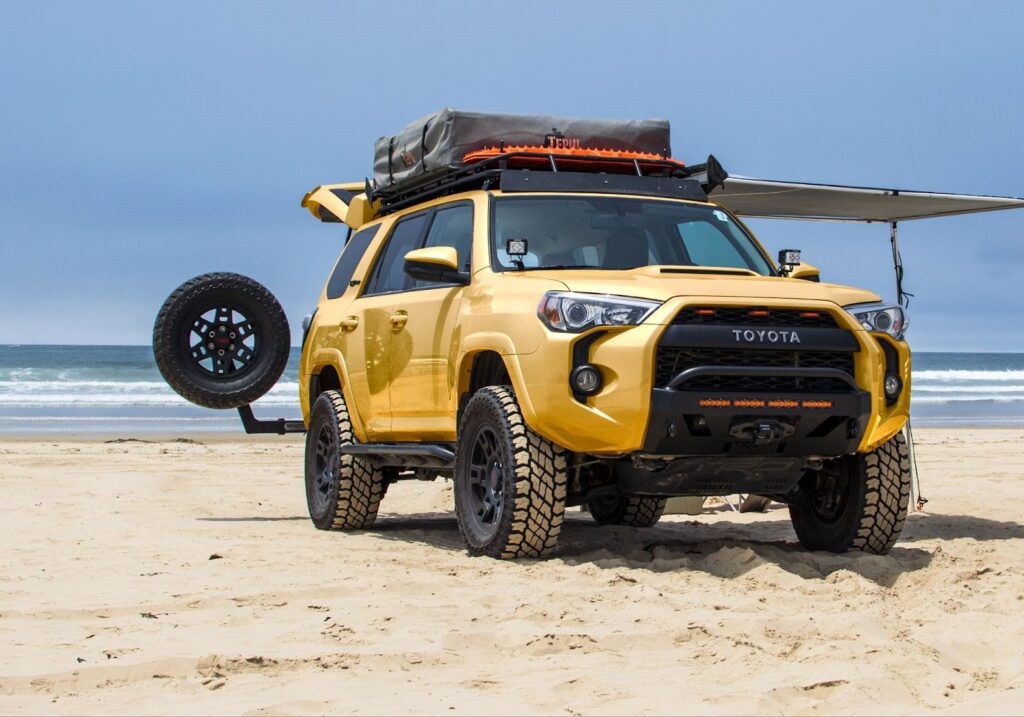
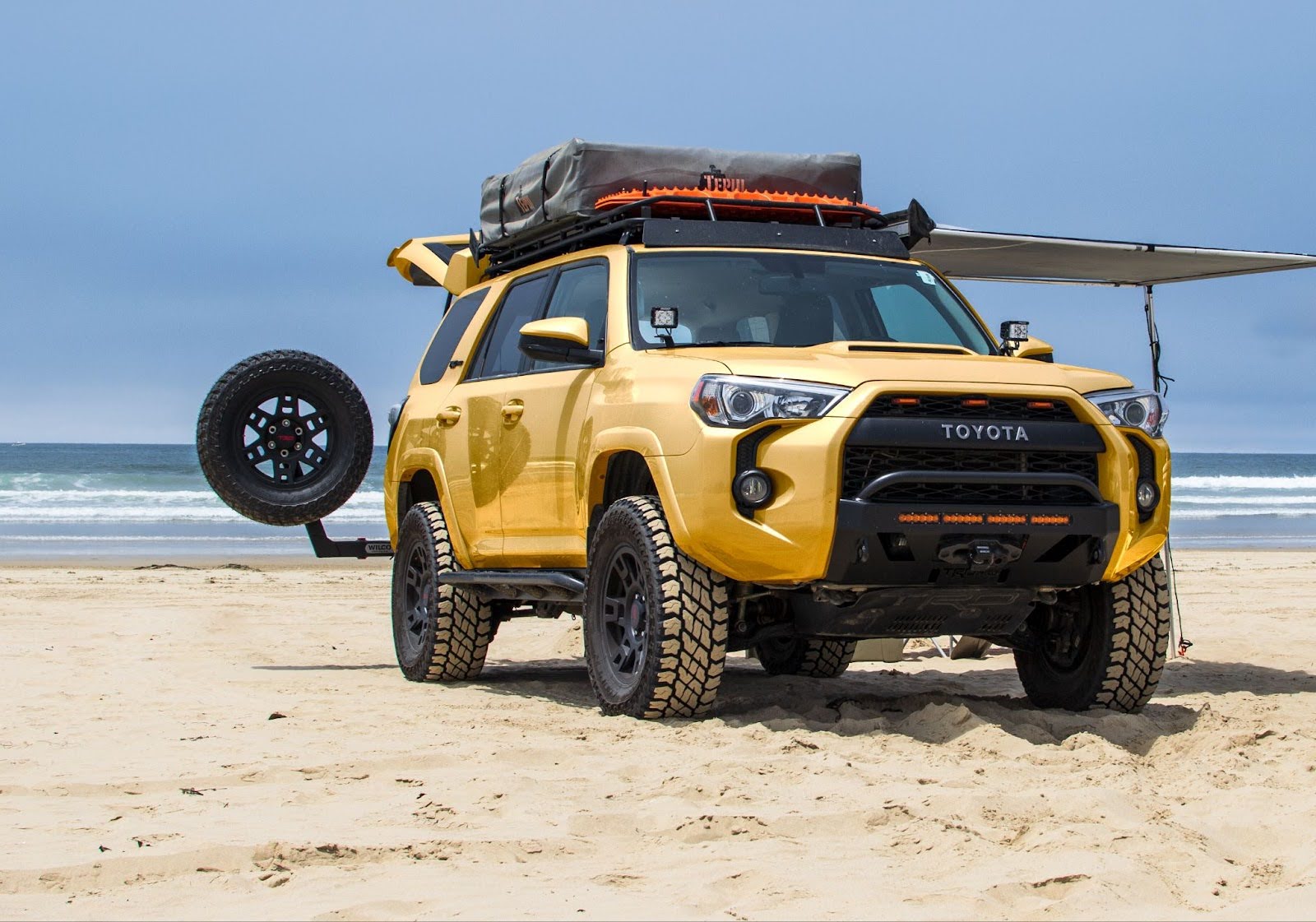
The Toyota 4Runner sits high on the wish list of weekend warriors who want a vehicle that can crawl through rock gardens on Saturday and glide to the office on Monday. Choosing the right roof rack determines how easily that lifestyle shift happens. Lately, the Stealth Rack from GOBI Racks has emerged as the go-to upgrade for owners who crave low-profile utility without the Swiss-cheese roof left behind by most drill-in systems. The following guide explores what the rack offers, how it installs, and whether it truly justifies its four-figure price tag.
What Sets the Stealth Rack Apart?
Two trademarks define the Stealth Rack: a streamlined 2-inch-deep basket and a fully welded, single-piece frame. Most aftermarket racks rely on a bolt-together skeleton. Over time, vibration loosens those joints, creating rattles and rust pockets. The continuous welds on the GOBI Racks Stealth model eliminate that failure point and give the rack a factory-built appearance that mates cleanly with the 4Runner’s body lines. Even with the mesh platform in place, overall height increases by less than two inches, low enough to clear standard residential garages and the drive-through coffee window.
Design efficiency extends to airflow and fuel economy. The front wind deflector integrates flush with the basket, channeling air over the cargo. Owners report a negligible 0.5–1.0 mpg penalty at highway speed, impressive when compared to the 2–3 mpg hit regularly cited for taller modular racks. In an era of $4-plus gasoline, that difference becomes meaningful over a single road-trip season.
Moreover, the Stealth Rack is designed with versatility in mind, accommodating a wide range of accessories that enhance its functionality. From bike mounts to kayak cradles, the rack’s compatibility with various gear ensures that adventurers can tailor their setup to meet specific needs. This adaptability makes it a favorite among outdoor enthusiasts who require a reliable solution for transporting their equipment, whether it’s for a weekend camping trip or a day at the beach. The thoughtful engineering behind the Stealth Rack not only maximizes utility but also maintains a sleek aesthetic that complements the rugged look of the 4Runner.
Additionally, the materials used in the construction of the Stealth Rack are chosen for their durability and resistance to the elements. The high-grade aluminum frame is not only lightweight but also corrosion-resistant, ensuring that the rack can withstand the rigors of off-road adventures and harsh weather conditions. Users have noted that the powder-coated finish not only enhances the visual appeal but also adds an extra layer of protection against scratches and fading. This attention to detail in both design and materials means that the Stealth Rack is built to last, providing peace of mind for those who depend on their vehicles for exploration and adventure.
Core Benefits for 4Runner Owners
First and foremost, the Stealth Rack is engineered specifically for Toyota’s factory roof mounting points, which spares the paint and preserves resale value. Toyota warranties can be touchy about non-OEM drilling; using the stock anchor locations keeps owners on solid ground should warranty debates arise. Plus, installation time shrinks to roughly two hours with basic hand tools, freeing an entire Saturday afternoon for packing rather than wrenching.
Second, weight capacity towers above typical clamp-style crossbars. Static ratings hover around 800 lb, meaning rooftop tents, recovery boards, and a kayak can live side by side without bending rails. Dynamic capacity, which matters while driving, still sits near 300 lb. For context, a 23Zero two-person tent and a pair of mountain bikes collectively weigh about 210 lb, well under that threshold, with room for fuel cans or a solar panel.
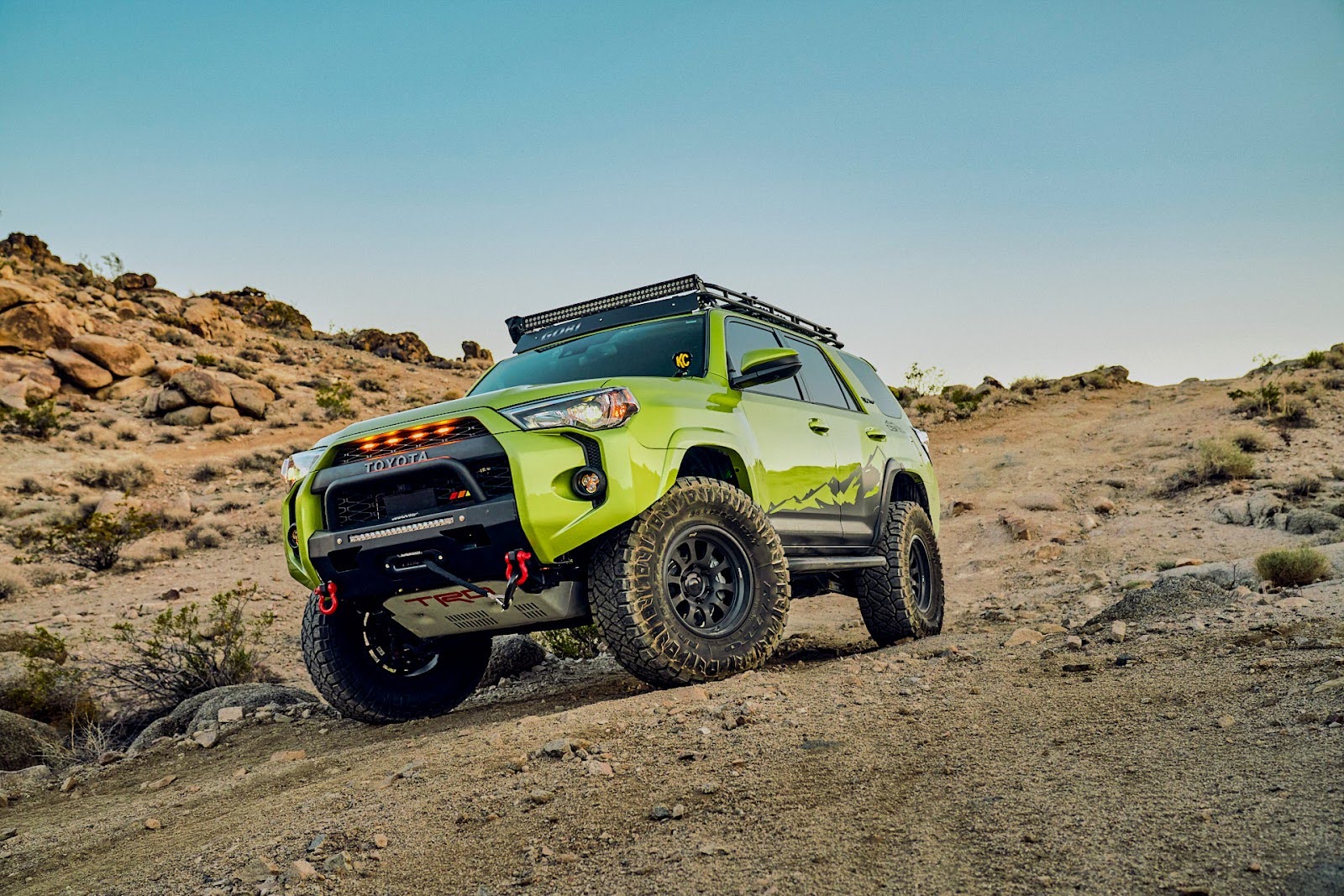
Finally, aesthetics matter. Toyota designers spent years perfecting the 4Runner’s profile; the Stealth Rack complements rather than competes with those lines. Powder-coated steel rails fade into the dusk when you park in the mountains, making the truck look purposeful rather than over-accessorized. Off-road photographers often note how the rack’s low stance keeps the vehicle’s center of gravity down, helping the SUV look poised rather than top-heavy in action shots.
Materials, Strength, and Real-World Load Capacity
Each Stealth unit starts with U.S.-sourced 14-gauge steel tubing that is mandrel-bent for consistency. After welding, the rack receives an anti-rust undercoat followed by a textured black powder finish baked on at 400 °F. The two-stage process resists the road salt that plagues northern drivers and the abrasive red dust of Moab alike. According to lab pull tests published by GOBI Racks, the basket withstood more than twice the stated load rating before permanent deformation appeared.
Owners often ask whether that strength translates to noise. Heavier steel could, in theory, create resonance. To counter that possibility, engineers added internal gussets at stress points and curved the leading edge to spoil turbulent air. Independent sound-meter readings taken at 65 mph show a 2-dB increase over stock roof rails, quieter than many aftermarket light bars and barely audible over all-terrain tire hum.
No-Drill Installation: A Closer Look
The Stealth Rack ships in a single welded piece, so setup revolves around positioning rather than assembly. After removing Toyota’s factory rails, installers place the rack atop the roof and line up the pre-machined feet with existing threaded inserts. Hex-head Grade-8 hardware, supplied in the kit, secures the rack to the vehicle in eight reinforced locations. No silicone sealant or riv-nuts are required, which means no metal shavings and no risk of galvanic corrosion on the roof skin.
Electrical routing for light bars remains equally painless. GOBI Racks pre-drills discrete pass-through holes fitted with rubber grommets, guiding a 10-gauge wire into the engine bay. The absence of self-tapping screws preserves the roof’s water channels, so heavy rainstorms do not become a cabin leak nightmare. For many 4Runner owners living in humid climates, that no-drill peace of mind edges out every other feature on the spec sheet.
Installation Tips and Tools Checklist
Although a DIYer can complete the install solo with patience, a second set of hands simplifies alignment. Two moving blankets protect paint during positioning, while a cordless 3/8-inch impact driver speeds repetitive bolt tightening. Torque specs sit at 16 ft-lb, well within the range of a mid-grade inch-pound wrench. Blue, medium-strength thread locker keeps vibration at bay, and a dab of dielectric grease on factory inserts wards off oxidation for owners who frequent salt-sprayed coastal roads.
Once mounted, re-torque the hardware after the first 200 miles, then every oil-change interval. A quick spray of wash-and-wax solution after dusty excursions prevents micro-abrasions in the powder coat. Following those simple steps extends the finish’s life well beyond the rack’s limited lifetime warranty, a claim echoed by decade-old units still rolling around Colorado’s Front Range.
Customization Options That Matter
The Stealth platform really shines when personalized. The roof basket accepts low-profile adjustable load bars that sit flush with the top rail, letting paddle boards and skis rest flat. For bulkier gear, elevation crossbars rise an extra inch, creating the clearance needed to mount a rooftop tent while still hauling a SUP or fishing rod vault overhead. Both crossbar styles accept Yakima, Thule, and other T-slot accessories, ensuring legacy gear remains viable.
Lighting flexibility is also baked into the frame. Buyers choose between a 40-inch LED cut-out or a multi-light setup that supports four individual pods. A front riser variant raises the rail slightly, shielding dual-row bars from wayward cargo straps, while the no-riser version keeps the roofline flush for tight parking garages. No lights ship with the rack, allowing owners to pair budget-friendly Auxbeams or premium Baja Designs bars without paying for hardware they may later replace.
Sunroof configurations cover every 4Runner trim. Drivers with a standard moonroof can opt for a mesh platform that permits light diffusion while still serving as a walking surface for tent setup. Those running a full-length panoramic swap in an insert that frames the glass, improving stargazing at camp. And for trail rigs where a roof tent stays bolted up year-round, the solid “no-sunroof” mesh offers maximum cargo real estate and additional tie-down points.
Everyday Usability: From Groceries to Overlanding
Not every mile logged on a Stealth Rack involves muddy switchbacks. Families mention how the 2-inch basket depth makes Sunday-morning lumber pickups easier, 2x4s slide across the mesh without catching on raised lips that plague deeper baskets. Commuters appreciate how the rack’s low profile clears most downtown structures, including the notoriously tight 6-foot-8-inch ceiling in Seattle’s Pike Place Market garage. In short, the rack shifts seamlessly between daily duties and weekend escape mode.
When adventure does call, accessories make the transition almost instantaneous. A driver may leave the mesh bare all week, then snap in traction boards via quick-release mounts and drop a 270-degree awning on Friday night. Integrated corner tabs pair with 1/4-inch eye-bolts, allowing a hammock to string up across the rack in camp. Meanwhile, rear hatch ladders from GOBI Racks provide safe cargo access without kicking dirt onto seat cushions, a welcome perk for families traveling with pets.
Potential Drawbacks and Considerations
Premium build quality carries premium weight: at roughly 70 lb, the Stealth Rack weighs more than aluminium alternatives. Owners chasing every MPG or rock-crawlers mindful of rooftop weight bias might lean toward lighter, albeit less robust, options. Paint micro-swirls can also appear where the rack meets the roof during dusty installs; meticulous masking and cleaning minimize, but do not eliminate, that risk.
Lead times deserve mention. Because each unit is welded to order in Aurora, Colorado, typical wait windows span eight to ten weeks during peak season. For buyers planning a once-in-a-lifetime road trip, ordering well ahead of departure avoids last-minute stress. Finally, the rack’s one-piece design, while advantageous for strength, occupies considerable storage space should the owner ever remove it, something apartment dwellers need to plan around.
User Experiences: Voices from the Trail
Feedback on 4Runner forums and Reddit’s r/Overlanding community remains overwhelmingly positive. One driver from Flagstaff reports three years of abuse under an RTT, two mountain bikes, and a pair of MaxTrax with zero sag or weld cracks. Another testimonial from Georgia praises the rack’s silence, noting that wind noise stayed lower than the stock roof rails plus the Yakima basket combo it replaced.
Critiques tend to focus on shipping delays rather than product quality. A Colorado owner recounts a 12-week wait but concedes that the rack arrived perfectly packaged, with zero powder-coat blemishes. In many reviews, the recurring phrase is “buy once, cry once”, a nod to the sentiment that rugged components save money by outlasting cheaper, multi-piece competitors that often rust out within five winters.
Is the Price Tag Justified?
Retail pricing for the Stealth Rack currently hovers around $1,695 before add-ons. When stacked against modular steel racks from mainstream brands, the figure lands roughly 20 percent higher. Yet installation kits, wind fairing, and mesh deck, extras elsewhere, arrive standard in the box. Add the lifetime structural warranty, and the effective cost gap tightens considerably. Over a decade of ownership, that works out to roughly $14 per month, less than a streaming subscription.
Resale value further narrows the equation. Used Stealth Racks regularly fetch 70–75 percent of their original cost in regional Facebook groups. By contrast, bolt-together racks often change hands at half retail after only three seasons. The brand’s reputation, U.S. manufacturing pedigree, and limited production runs keep demand high, giving owners a built-in exit strategy should they trade up to a new vehicle.
Final Verdict
For Toyota 4Runner enthusiasts who value quiet strength, seamless factory integration, and a wealth of customization possibilities, the Stealth Rack from GOBI Racks earns its reputation as a top-tier upgrade. Its no-drill footprint preserves the roof, while a fully welded chassis shoulders everything from plywood sheets to expedition-grade roof tents. Yes, the investment is sizable and patience is required while welding bays catch up with orders, but few products marry form, function, and longevity with comparable finesse. In short, those planning to keep their 4Runner for the long haul will likely find the rack worth every penny.
Explore the Full Range of GOBI Racks
Ready to elevate your 4Runner’s capability and appearance? Discover the full selection of durable and stylish vehicle accessories at GOBI Racks, including the versatile Ranger Rack with its two removable cross bars and convenient no-drill mounting system. Designed to support up to 300 pounds, it’s perfect for your next adventure. Don’t wait to transform your vehicle’s functionality and aesthetics and place your order today!