




Setting up a tent on your car roof can transform your outdoor experience, making it more convenient and enjoyable. Whether you are planning a weekend getaway or an extended road trip, a rooftop tent offers a unique way to camp while keeping you off the ground and away from potential critters. We will help guide you through the steps to set up a tent on your car roof, ensuring you have the ultimate adventure.
Understanding Rooftop Tents
Rooftop tents are designed to be mounted on a vehicle’s roof, providing a comfortable sleeping area elevated from the ground. They come in various styles and sizes, catering to different needs and preferences. Understanding the benefits and features of rooftop tents will help you make an informed choice.
Benefits of Rooftop Tents
Rooftop tents offer several advantages over traditional ground tents. Here are a few key benefits:
- Elevation: Being off the ground keeps you safer from insects and wildlife.
- Convenience: Setting up a rooftop tent is typically quicker and easier than traditional tents.
- Comfort: Many rooftop tents come with built-in mattresses, providing a more comfortable sleeping experience.
- Views: Sleeping elevated allows for stunning views of your surroundings.
In addition to these benefits, rooftop tents can enhance your overall camping experience. For instance, the elevated position allows for better airflow, which can be particularly refreshing on warm nights. Furthermore, many models come equipped with features such as built-in LED lighting and storage compartments, making it easier to organize your gear and enjoy your time outdoors. The convenience of having your sleeping quarters above the ground also means you can set up camp in areas where traditional tents might not be practical, such as rocky or uneven terrain.
Types of Rooftop Tents
Rooftop tents generally fall into two categories: hard-shell and soft-shell. Each type has its own set of features and advantages.
- Hard-Shell Tents: These tents are usually more aerodynamic and can be set up quickly. They tend to be more durable and provide better insulation.
- Soft-Shell Tents: Typically lighter and more affordable, soft-shell tents often offer more space but may take longer to set up.
When choosing between hard-shell and soft-shell options, consider your travel style and the types of environments you’ll be camping in. Hard-shell tents are ideal for frequent travelers who value quick setup and durability, while soft-shell tents may appeal to those who prioritize space and weight savings for longer trips. Additionally, some soft-shell models can accommodate multiple occupants, making them a great choice for family camping adventures or group outings. Ultimately, the right choice will depend on your specific needs and how you plan to use your rooftop tent.
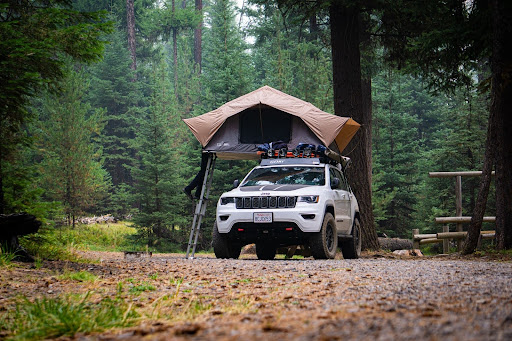
Choosing the Right Tent for Your Vehicle
Selecting the right rooftop tent for your vehicle involves considering several factors, including vehicle compatibility, size, and weight capacity.
Vehicle Compatibility
Before purchasing a rooftop tent, ensure it is compatible with your vehicle’s roof rack. Most tents require crossbars for mounting, and it’s essential to check the weight limit specified by both the tent and your vehicle’s roof rack. Additionally, consider the type of vehicle you own; some tents are specifically designed for SUVs, while others may be more suitable for trucks or smaller cars. It’s wise to look into the tent’s mounting system, as some models offer easier installation processes than others, which can be a significant factor if you plan to set up and take down your tent frequently.
Size and Sleeping Capacity
Rooftop tents come in various sizes, typically accommodating two to four people. Consider how many people will be using the tent and choose a size that fits your needs. Additionally, think about the amount of gear you’ll be bringing along, as some tents offer extra storage options. For families or groups, larger tents often come with features like built-in awnings or vestibules that provide additional space for storing equipment or for lounging outside. It’s also important to note that some tents have a higher profile, which can affect wind resistance and stability, especially in inclement weather, so be sure to take this into account when selecting the right model for your adventures.
Essential Gear for Setting Up Your Tent
To ensure a smooth setup process, gather the necessary gear before hitting the road. Here’s a checklist of essential items:
- Rooftop tent
- Roof rack with crossbars
- Mounting hardware (if not included with the tent)
- Ground tarp (optional, for extra protection)
- Sleeping bags and pillows
- Flashlights or lanterns for nighttime visibility
In addition to the basics, consider packing a few extra items that can enhance your camping experience. A portable camp stove or grill can make meal preparation a breeze, allowing you to whip up delicious breakfasts or hearty dinners right at your campsite. Don’t forget to bring along cooking utensils, a cooler for perishable items, and a selection of your favorite snacks to keep your energy up during outdoor activities. A good set of camping chairs can also provide comfort around the campfire, making it easier to relax and enjoy the great outdoors.
Another important aspect to consider is the weather. Depending on your destination, packing weather-appropriate gear can make a significant difference in your comfort level. Lightweight rain gear, extra layers for warmth, and sun protection like hats and sunscreen are all essential items that can help you stay comfortable regardless of the conditions. Additionally, a first aid kit is a must-have for any camping trip, ensuring you’re prepared for minor injuries or ailments that may arise while exploring the wilderness.
Setting Up Your Rooftop Tent
Once you have your tent and gear ready, it’s time to set up your rooftop tent. Follow these steps for a successful installation:
Step 1: Find a Suitable Location
Before setting up your tent, find a flat and stable area to park your vehicle. Look for a spot that is free from rocks, branches, and other debris that could damage your tent or make sleeping uncomfortable. If possible, choose a location that offers some natural protection from the wind. Additionally, consider the proximity to amenities such as restrooms, water sources, or scenic views that can enhance your camping experience. A spot near a gentle slope can provide a beautiful backdrop for sunrise or sunset, making your stay even more memorable.
Step 2: Prepare Your Vehicle
Ensure that your vehicle is parked securely, with the parking brake engaged. If your tent requires a specific mounting system, follow the manufacturer’s instructions to attach the tent to your roof rack. Make sure all bolts and connections are tightened properly. It’s also a good idea to check the weight limit of your roof rack to ensure it can safely support the tent along with any additional gear you plan to bring. This precaution will help prevent any accidents or damage while you’re out enjoying nature.
Step 3: Unfold and Extend the Tent
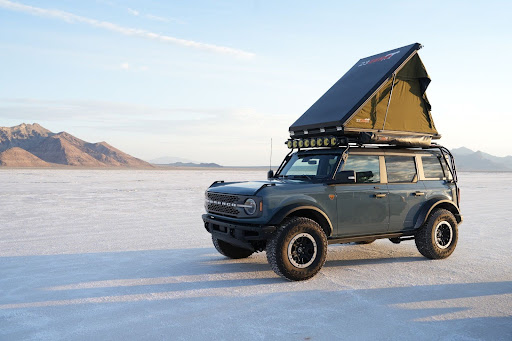
With the tent securely attached to your vehicle, it’s time to unfold it. Most rooftop tents have a simple mechanism for opening. Carefully pull the tent out and extend it fully, ensuring all poles and support structures are correctly positioned. Some tents may require you to set up additional poles for stability. As you do this, take a moment to inspect the fabric for any signs of wear or damage, as well as to check that zippers and seams are functioning properly. This will ensure your tent remains waterproof and secure throughout your trip, providing you with a cozy retreat after a day of adventure.
Securing Your Tent
Once your tent is unfolded, it’s crucial to secure it properly to ensure stability and safety throughout your stay. A well-secured tent provides a comfortable shelter and protects you from the elements, allowing you to enjoy your outdoor experience without worry.
Using Guy Lines and Stakes
If your tent comes with guy lines and stakes, use them to anchor the tent to the ground. This is particularly important in windy conditions, as it helps prevent the tent from shifting or collapsing. Make sure the lines are taut but not overly tight to avoid damaging the tent fabric. Additionally, consider the terrain where you are camping; rocky or hard ground may require specialized stakes, while sandy soil might necessitate sandbags or other anchoring methods to ensure your tent remains secure.
Checking for Stability
After securing the tent, give it a gentle shake to check for stability. If it feels wobbly or unstable, reassess your setup and make any necessary adjustments. Ensuring a stable setup will enhance your comfort and safety while sleeping. Furthermore, take a moment to inspect the surrounding area for potential hazards, such as overhanging branches or sharp rocks, which could pose a risk to your tent’s integrity. Being proactive about your tent’s placement can prevent unexpected issues during your camping trip.
Weather Considerations
Weather can change rapidly in the great outdoors, so it’s wise to prepare for various conditions. If rain is in the forecast, consider adding a rainfly to your tent for extra protection. This additional layer keeps water out and helps with ventilation, reducing condensation inside the tent. Moreover, be mindful of the wind direction; positioning your tent with the entrance facing away from prevailing winds can minimize drafts and enhance your overall comfort.
Regular Maintenance Checks
Throughout your camping trip, it’s important to perform regular maintenance checks on your tent. Inspect the seams and zippers for any signs of wear or damage, and ensure the stakes and guy lines remain secure. If you notice any issues, address them promptly to avoid larger problems later. Keeping your tent in good condition prolongs its lifespan and ensures it remains a reliable shelter during your outdoor adventures.
Inside Your Rooftop Tent
Once your tent is set up, it’s time to make it cozy for your adventure. Here are some tips for maximizing comfort inside your rooftop tent:
Creating a Comfortable Sleeping Area
Most rooftop tents come with a built-in mattress, but adding extra padding can enhance your sleeping experience. Consider using sleeping pads or inflatable mattresses for added comfort. Bring along sleeping bags or blankets to keep warm during chilly nights. Additionally, think about the type of bedding you prefer; lightweight down comforters can offer warmth without bulk, while moisture-wicking sheets can help regulate temperature and keep you dry. Don’t forget to pack a couple of pillows or a travel pillow for neck support, ensuring you wake up refreshed and ready for your outdoor adventures.
Organizing Your Gear
Space can be limited inside a rooftop tent, so organizing your gear is essential. Use storage pockets or bags to keep your belongings tidy and easily accessible. Hang a small lantern or flashlight for nighttime visibility, and consider using a small table or shelf for personal items. To further optimize your space, think about using compression sacks for clothing and gear, which can significantly reduce bulk and make packing easier. Additionally, consider a small hanging organizer for toiletries and other essentials; this keeps items off the floor and prevents them from getting lost in the shuffle. A little organization can go a long way in making your rooftop tent feel like a cozy home away from home.
Safety Tips for Rooftop Camping
While rooftop camping can be an exhilarating experience, safety should always be a priority. Here are some essential safety tips to keep in mind:
Weather Considerations
Always check the weather forecast before heading out. High winds, heavy rain, or storms can pose risks while camping on your rooftop. If severe weather is expected, it may be best to postpone your trip or find alternative accommodations.
Weight Limits and Capacity
Be mindful of the weight limits specified by both your vehicle and the rooftop tent. Overloading can lead to instability and potential damage. Ensure the combined weight of occupants and gear does not exceed the recommended limits.
Maintaining Your Rooftop Tent
Proper maintenance of your rooftop tent will extend its lifespan and ensure a safe camping experience. Here are some maintenance tips to consider:
Regular Cleaning
After each camping trip, clean your tent to remove dirt, debris, and moisture. Use a soft brush and mild soap to clean the fabric, and avoid harsh chemicals that could damage the material. Ensure the tent is completely dry before storing it to prevent mold and mildew.
Inspecting for Damage
Regularly inspect your tent for any signs of wear and tear. Check the zippers, seams, and fabric for any damage. Address any issues promptly to prevent further deterioration. If repairs are needed, consult the manufacturer’s guidelines for patching or replacing damaged parts.
Elevate Your Campsite
Setting up a tent on your car roof can elevate your camping experience, offering comfort, convenience, and stunning views. By understanding the benefits of rooftop tents, choosing the right model, and following proper setup and maintenance procedures, adventurers can enjoy the great outdoors with ease. With careful planning and preparation, your rooftop camping trips can become memorable adventures that inspire a love for nature and exploration.
Looking to level up your rooftop camping setup? GOBI Racks has everything you need—roof racks, ladders, gear bags, and more—crafted to boost your vehicle’s performance and outdoor readiness. Gear up for the road ahead—order now!