




Camping in a camper trailer can be a delightful escape into nature, but achieving a comfortable setup is essential for an enjoyable experience. One of the most critical aspects of setting up a camper trailer is ensuring it is properly leveled. A level camper enhances comfort and prevents potential issues with appliances and water drainage. With our help, you will understand the importance of leveling your camper trailer, the tools you will need, and step-by-step instructions to achieve the perfect setup.
The Importance of Leveling Your Camper Trailer
Leveling your camper trailer is not just a matter of comfort; it has several practical implications. When your trailer is level, it ensures that:
- Appliances such as refrigerators and stoves operate efficiently.
- Water drains properly from sinks and showers, preventing backups.
- Sleeping areas remain comfortable, avoiding rolling or sliding during the night.
- Your trailer’s structural integrity is maintained over time.
Impact on Appliances
Many appliances in a camper trailer, particularly refrigerators, require a level surface to function optimally. If the trailer is tilted, the coolant may not circulate properly, leading to inefficient cooling or damage over time. Similarly, stoves and ovens may not heat evenly, affecting meal preparation. This can be especially frustrating when you’re camping in remote areas where access to repair services is limited. Additionally, some modern appliances come equipped with sensors that can detect when they are not level, potentially shutting down or displaying error messages until the issue is resolved.
Water Drainage Issues
Proper leveling ensures water flows toward the drains rather than pooling in unwanted areas. This is particularly important in wet conditions, where standing water can lead to mold growth and unpleasant odors. A level setup minimizes these risks, contributing to a healthier living environment. Furthermore, when water accumulates in the wrong places, it can lead to corrosion of metal components and damage to the trailer’s flooring. Regularly checking and adjusting the level of your camper trailer can save you from costly repairs and enhance your overall camping experience.
Comfort and Sleep Quality
In addition to appliance efficiency and water drainage, leveling your camper trailer significantly impacts your comfort, particularly during sleep. When a trailer is not level, the risk of rolling or sliding during the night can disrupt your rest, leading to fatigue and discomfort during your camping adventures. A level sleeping area allows for a more restful night, which is essential for enjoying outdoor activities the next day. Moreover, many campers find that a well-leveled trailer reduces the noise of shifting items inside, further enhancing the tranquility of your sleeping environment.
Structural Integrity
Maintaining the structural integrity of your camper trailer is another critical reason for leveling. Over time, an unlevel trailer can lead to uneven wear on the frame and suspension, causing long-term damage that may not be immediately visible. This can result in costly repairs down the line, and in some cases, may even compromise the safety of your trailer while on the road. By ensuring your trailer is level, you help distribute weight evenly across the axles, reducing stress on the tires and suspension system. Regularly checking the level of your trailer before setting up camp can extend its lifespan and enhance your overall safety on the road.
Essential Tools for Leveling Your Camper Trailer
Before embarking on your leveling journey, it’s important to gather the necessary tools. Having the right equipment can make the process smoother and more efficient. Proper leveling enhances your comfort and protects your appliances and systems from damage caused by being out of balance.
Leveling Blocks
Leveling blocks are essential for adjusting the height of your trailer’s tires. They come in various sizes and materials, including plastic and rubber. Choose blocks that are sturdy and can support the weight of your trailer. It’s wise to invest in a set that can stack or interlock, allowing for versatile adjustments depending on the terrain. Some brands even offer brightly colored options, making them easier to spot in low-light conditions or when buried in dirt.
Bubble Level or Smartphone App
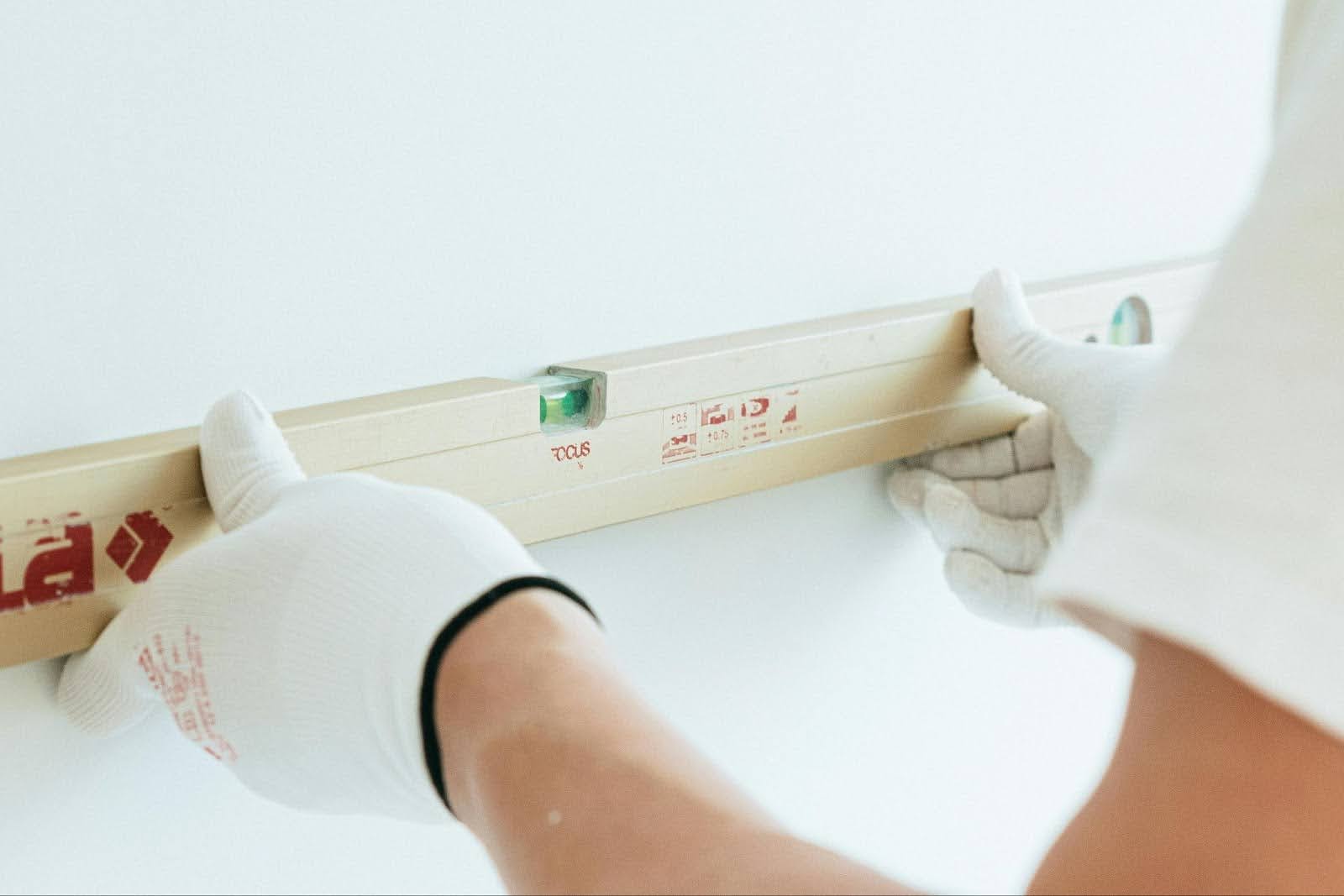
A bubble level is a traditional tool that many campers rely on. However, modern smartphone apps can also provide accurate readings. These apps use the phone’s built-in sensors to determine the levelness of your trailer. Many of these applications come with additional features, such as tilt angle measurements and the ability to save multiple leveling profiles for different locations, which can be particularly handy for frequent travelers.
Wheel Chocks
Once your trailer is leveled, wheel chocks are necessary to prevent it from rolling. These are particularly important when parked on an incline, ensuring safety during your stay. Opt for chocks made from durable materials that can withstand the elements, and consider using chocks with a rubberized grip to prevent slipping. Some chocks even come with built-in handles for easy placement and removal, making them a practical addition to your leveling toolkit. Additionally, it’s a good idea to keep a spare set in case of emergencies, especially if you’re traveling to remote locations where access to replacements may be limited.
Step-by-Step Guide to Leveling Your Camper Trailer
Now that you have the tools ready, follow these steps to level your camper trailer effectively.
1. Find a Suitable Location
Before leveling, select a flat, stable surface to park your camper. Avoid areas with soft ground or loose gravel, as these can shift under the weight of the trailer. If possible, park on concrete or hard-packed earth. Additionally, consider the surrounding environment; look for a location that is level and sheltered from strong winds and falling debris. Proximity to amenities such as restrooms, water sources, and fire pits can enhance your camping experience, making it more enjoyable and convenient.
2. Position the Trailer
Back your trailer into the desired spot, ensuring it is as close to level as possible. Use your bubble level or smartphone app to check the initial angle. If the trailer is significantly off-level, adjust your position before proceeding. Take your time during this step, as a well-positioned trailer will make the rest of your setup much easier. It’s also wise to consider the orientation of your trailer with the sun; positioning it to take advantage of natural light can help keep your living space bright and warm during the day.
3. Use Leveling Blocks
Place leveling blocks in front of or behind the tires that need elevation. Start with one block and check the level again. If more height is needed, add additional blocks until the trailer is level. Ensure that the blocks are stacked securely and that the trailer is stable before proceeding. It’s important to use blocks designed specifically for leveling trailers, as they are made to withstand the weight and prevent slipping. If you find yourself frequently camping on uneven terrain, investing in a set of adjustable leveling ramps can save you time and effort, allowing for quicker setups in the future.
Checking Levelness
After making your adjustments, it’s crucial to verify that your camper is indeed level. This step can save you from discomfort and potential appliance issues later on. An unlevel camper can lead to a host of problems, such as water pooling in unwanted areas, difficulty in using appliances like refrigerators, and issues with doors and windows not sealing properly. Therefore, taking the time to ensure your camper is level is not just a matter of comfort but also of maintaining the integrity of your equipment.
Using a Bubble Level
Place the bubble level on a flat surface inside the trailer, such as a countertop or table. Check both side-to-side and front-to-back levels. Adjust the leveling blocks as necessary until the bubble is centered. It’s also beneficial to check the levelness at various points throughout the camper, including the floor and any other flat surfaces, to ensure there are no hidden discrepancies. Remember, even a slight tilt can affect how your appliances function, especially those that rely on gravity, like refrigerators and sinks.
Smartphone App Verification
If using a smartphone app, place the phone on the same flat surface. Follow the app’s instructions to ensure the trailer is level in both directions. This method can provide a quick and accurate reading. Many of these apps offer additional features, such as the ability to save level measurements for future reference or share them with fellow campers. Additionally, some apps can utilize augmented reality to give you a visual representation of how level your camper is, making the process even more intuitive and user-friendly.
Finalizing Your Setup
Once your trailer is level, it’s time to secure it for your stay. This step is vital for safety and comfort.
1. Secure the Trailer
Once level, engage the trailer’s parking brake and place wheel chocks on both sides of the tires. This will prevent any movement while you are parked. Double-check that everything feels stable before moving on to the next steps. Additionally, consider using stabilizing jacks if your trailer is equipped with them. These jacks can further reduce any sway and enhance stability, especially in windy conditions or on uneven ground.
2. Connect Utilities
If you are at a campsite with utilities, connect your water, electricity, and sewage lines. Ensure that these connections are secure and leak-free. A level trailer will help prevent any issues with water drainage and appliance function. It’s a good idea to inspect your hoses and cables for any signs of wear or damage before connecting them. This proactive approach can save you from potential leaks or electrical issues during your stay, allowing you to focus on enjoying your trip without unnecessary interruptions.
3. Set Up Outdoor Living Space
With your trailer securely leveled and connected, you can now set up your outdoor living area. Arrange chairs, tables, and other equipment to maximize your comfort and enjoyment. A level surface will provide a stable base for all your outdoor activities. Consider adding a rug or mat to define your space and make it feel more inviting. You might want to set up a canopy or awning for shade, creating a perfect spot for relaxation or meals outdoors. Don’t forget to include some lighting options, like string lights or lanterns, to enhance the ambiance as the sun sets, making your outdoor area a cozy retreat under the stars.

Common Mistakes to Avoid
Even experienced campers can make mistakes when leveling their trailers. Being aware of common pitfalls can help ensure a smoother setup process.
Rushing the Process
One of the most frequent mistakes is rushing through the leveling process. Take your time to ensure that the trailer is level before securing it. A few extra minutes spent leveling can prevent discomfort and appliance issues later.
Neglecting to Use Wheel Chocks
Failing to use wheel chocks can lead to dangerous situations, especially on uneven ground. Always place chocks securely to prevent any movement.
Ignoring the Importance of a Level Surface
Choosing a location that appears level but is not can lead to issues. Always check the surface carefully before parking your trailer. Look for signs of drainage, slope, or instability.
Advanced Leveling Techniques
For those who frequently camp in varying terrains, mastering advanced leveling techniques can enhance your experience.
Using a Leveling System
Some trailers come with built-in leveling systems that automate the process. These systems can be a significant time-saver, especially for those who camp frequently. Familiarize yourself with the system to ensure proper use.
Adjusting for Slopes
When camping on a slope, it may be necessary to adjust your leveling approach. If the slope is steep, consider using a combination of leveling blocks and stabilizing jacks to achieve the desired level. Always prioritize safety and stability.
Utilizing a Leveling App
In addition to traditional leveling tools, many apps offer advanced features such as slope detection and leveling guides. These can provide valuable information for those who want to ensure their setup is as precise as possible.
Maintaining Your Leveling Equipment
Proper maintenance of your leveling tools is essential for their longevity and effectiveness. Here are some tips to keep them in good condition.
Regular Inspections
Check your leveling blocks and wheel chocks regularly for signs of wear and tear. Replace any damaged items promptly to ensure safety during your camping trips.
Cleaning and Storage
After each trip, clean your leveling blocks and tools to remove dirt and debris. Store them in a dry location to prevent damage from moisture. Proper storage will prolong their lifespan and ensure they are ready for your next adventure.
Conclusion
Leveling your camper trailer is a crucial step in setting up a comfortable and enjoyable camping experience. By understanding the importance of leveling, gathering the right tools, and following a systematic approach, you can ensure your trailer is stable and secure. Avoid common mistakes, explore advanced techniques, and maintain your equipment for optimal performance. With these tips in mind, your camping adventures can be both relaxing and hassle-free.
Are you looking for ways to enhance the vehicle that carries your trailer? Check out GOBI Racks. They sell roof racks, ladders, gear bags, and other accessories to improve your car for any off-roading adventure. Be sure to view the Stealth Rack, as this rack comes with two removable crossbars, has a no-drill mounting system, and can hold 300 pounds comfortably. Place your order today!