




Roof tent camping has surged in popularity among outdoor enthusiasts, offering a unique blend of adventure and convenience. This camping style allows individuals to sleep elevated above the ground, providing a comfortable and safe alternative to traditional tent camping. Together, we will dive into everything you need to know about roof tent camping, from its benefits, setup tips, and essential gear.
What Is Roof Tent Camping?
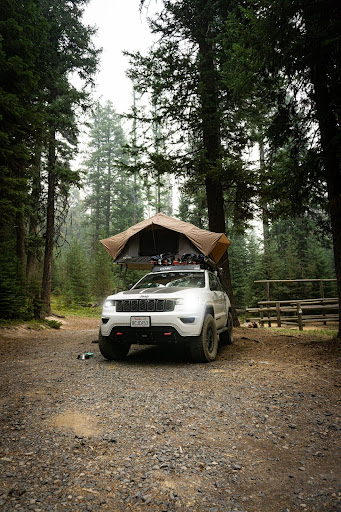
Roof tent camping involves using a tent mounted on the roof of a vehicle, typically an SUV or truck. This setup allows campers to easily access their sleeping quarters without the hassle of a ground-level tent setup. Roof tents come in various styles and sizes, catering to different needs and preferences. They are particularly popular among adventure seekers and outdoor enthusiasts who appreciate the ability to camp in diverse terrains while keeping their sleeping area elevated and protected from wildlife and insects.
Additionally, roof tent camping opens up a world of possibilities for spontaneous trips. Since the tent is already attached to the vehicle, campers can quickly pull over and set up camp at a moment’s notice, whether they’re on a long road trip or exploring national parks. This flexibility enhances the camping experience and allows for greater exploration of off-the-beaten-path locations that traditional camping setups might not easily accommodate.
History of Roof Tents
Roof tents have their origins in the overlanding community, where travelers sought innovative solutions for sleeping while on the move. The concept gained traction as more people began to explore remote areas, valuing the convenience and safety that these tents provide. The evolution of roof tents can be traced back to the early days of off-road adventures, where the need for a durable, portable sleeping solution became apparent. As manufacturers began to refine designs, materials, and features, roof tents transformed into a popular choice for modern campers looking for comfort and accessibility.
In recent years, the rise of social media and outdoor lifestyle influencers has further propelled the popularity of roof tents. Stunning images of campers perched atop their vehicles, surrounded by breathtaking landscapes, have inspired many to embrace this unique form of camping. As a result, a variety of brands have emerged, each offering unique features such as built-in mattresses, awnings, and solar panel options, catering to a growing market of outdoor enthusiasts who prioritize both comfort and adventure.
How Roof Tents Work
Most roof tents are designed to fold out from a compact position on the vehicle’s roof. They typically feature a hard or soft shell that opens up to create a sleeping area. The setup process is generally straightforward, often requiring just a few minutes to deploy. Many models come equipped with telescoping ladders, making it easy to access the tent while providing a safe and stable way to climb up and down.
Moreover, roof tents are engineered for durability and weather resistance, often constructed with high-quality materials that can withstand the elements. Many tents include features such as waterproof rainflies, breathable mesh windows for ventilation, and insulation for colder climates. This thoughtful design ensures campers can enjoy a comfortable night’s sleep, regardless of the weather conditions outside. Additionally, some roof tents are designed with built-in storage options, allowing campers to stow away gear and personal items conveniently, further enhancing the overall camping experience.
Benefits of Roof Tent Camping
Roof tent camping offers numerous advantages over traditional camping methods. Below are some of the key benefits that make this style of camping appealing:
Comfort and Convenience
One of the primary benefits of roof tent camping is the comfort it provides. Being elevated off the ground means campers are less likely to encounter insects, dampness, or uneven terrain. Additionally, many roof tents come equipped with mattresses, enhancing the sleeping experience. The design of roof tents often includes built-in ventilation systems, which help regulate temperature and airflow, ensuring campers stay cool during hot summer nights and warm when temperatures drop. This thoughtful engineering means that you can enjoy a restful night’s sleep, waking up refreshed and ready for the adventures that lie ahead.
Safety and Security
Roof tents offer a heightened sense of security. Campers are less exposed to wildlife and other potential ground-level hazards. Moreover, since the tent is attached to the vehicle, it is less susceptible to theft compared to traditional tents. This elevated position deters curious animals and provides a vantage point for spotting potential dangers in the surrounding area. Additionally, many roof tents feature durable materials and robust zippers that enhance their resistance to the elements, giving campers peace of mind even in inclement weather.
Versatility
Roof tents are versatile and can be used in various environments, from forests to deserts. They are also suitable for different types of vehicles, making them accessible to a wide range of campers. The adaptability of roof tents extends beyond just location; they can be set up quickly and easily, allowing for spontaneous trips and last-minute getaways. Some models even come with additional features like awnings or annexes, providing extra living space or shelter from the sun and rain. This flexibility makes roof tent camping an excellent choice for families, couples, or solo adventurers who want to explore diverse landscapes without the hassle of extensive setup or takedown procedures.
Choosing the Right Roof Tent
When selecting a roof tent, several factors should be considered to ensure it meets your needs and preferences. Here are some key elements to keep in mind:
Size and Capacity
Roof tents come in different sizes, accommodating anywhere from one to four people. Consider how many people will typically be using the tent and choose a size that provides adequate space without being overly bulky. Additionally, think about the layout of the tent; some models offer additional room for gear storage or have built-in awnings that can enhance your camping experience by providing extra outdoor living space.
Material and Durability
The materials used in the construction of the roof tent play a crucial role in its durability and weather resistance. Look for tents made from high-quality fabrics that can withstand various weather conditions, such as rain, wind, and UV exposure. Furthermore, consider the tent’s frame construction; aluminum poles are often lighter and more durable than their steel counterparts, which can be beneficial for long trips where weight is a concern. A good roof tent should also feature waterproof zippers and reinforced seams to prevent leaks during unexpected downpours.
Setup and Installation
Ease of setup is another important consideration. Some roof tents are designed for quick deployment, while others may require more time and effort. Ensure the tent you choose aligns with your comfort level regarding installation. Many modern roof tents come with intuitive designs that allow for one-person setup, often featuring gas struts or pop-up mechanisms that make the process seamless. Additionally, check if the tent includes all necessary mounting hardware and instructions, as this can significantly reduce the time spent on installation and allow you to focus more on enjoying your adventure.
Additional Features
Beyond the basics, consider any additional features that may enhance your camping experience. Some roof tents come equipped with built-in LED lighting, USB charging ports, or insulation for colder climates. Ventilation is also a key aspect; look for tents with multiple windows and mesh panels to ensure proper airflow while keeping insects at bay. These thoughtful additions can make a significant difference in comfort, especially during extended trips where you’ll be spending a lot of time inside your tent.
Essential Gear for Roof Tent Camping
In addition to the roof tent itself, several essential items can enhance the camping experience. Below is a list of gear to consider bringing along, ensuring your adventure is both enjoyable and safe:
Sleeping Gear
- Sleeping Bag: Choose a sleeping bag suitable for the expected temperatures. Opt for one that is lightweight and packable, yet provides adequate insulation for colder nights.
- Pillows: Bring comfortable pillows for a good night’s sleep. Consider inflatable or compressible options that save space in your vehicle.
- Sleeping Pad: While many roof tents come with built-in mattresses, a sleeping pad can add extra comfort. Look for pads with good insulation properties to keep you warm from the cold ground.
Cooking Equipment
- Portable Stove: A compact stove is essential for preparing meals. Choose a model that runs on propane or butane for convenience and efficiency.
- Cookware: Bring lightweight pots and pans for cooking. Consider non-stick options for easy cleanup and look for nesting cookware to save space.
- Utensils: Don’t forget plates, forks, knives, and spoons. A multi-tool can also come in handy for various tasks around the campsite.
Safety Gear
- First Aid Kit: Always have a well-stocked first aid kit on hand. Include items like antiseptic wipes, band-aids, and any personal medications.
- Flashlight: A reliable flashlight or headlamp is crucial for navigating at night. Consider models with adjustable brightness and a long battery life.
- Fire Extinguisher: Keep a fire extinguisher in your vehicle for safety. Familiarize yourself with its use to ensure you’re prepared in case of an emergency.
Additional Considerations
Beyond the basics, think about bringing along some comfort items that can elevate your camping experience. A portable hammock can provide a cozy spot to relax during the day, while a compact folding chair can make evenings by the campfire much more enjoyable. Additionally, a solar-powered charger can keep your devices powered up, allowing you to capture memories without worrying about battery life.
Moreover, consider the benefits of packing a lightweight tarp or ground cover. This can serve multiple purposes, from providing extra protection against rain to creating a clean area for cooking and dining. If you plan on exploring the surrounding area, a good pair of hiking boots and a daypack can make all the difference, ensuring you’re prepared for any adventure that comes your way.

Setting Up Your Roof Tent
Setting up a roof tent is generally straightforward, but proper technique can enhance the experience. Below are some steps to follow for a successful setup:
Preparation
Before setting up the tent, ensure the vehicle is parked on level ground. This helps in achieving a stable sleeping environment. Clear the area of any debris or sharp objects that could damage the tent.
Deployment
Most roof tents come with a user manual that outlines the setup process. Generally, the tent will need to be unlatched and unfolded. Some models may require additional poles for support. Follow the instructions carefully to ensure proper setup.
Securing the Tent
Once the tent is deployed, secure it according to the manufacturer’s guidelines. This may involve staking down the tent or using straps to ensure it remains stable during windy conditions.
Best Practices for Roof Tent Camping
To maximize the roof tent camping experience, consider adopting some of these best practices. These tips can help ensure a safe and enjoyable adventure.
Choose the Right Location
Selecting an appropriate campsite is crucial. Look for flat, stable ground free from hazards like falling branches or flooding. Additionally, consider the proximity to water sources and restroom facilities.
Be Mindful of Weather Conditions
Always check the weather forecast before heading out. Roof tents are designed to withstand various weather conditions, but extreme weather can still pose risks. If rain is expected, be prepared with tarps or additional covers.
Practice Leave No Trace Principles
Respecting nature is essential while camping. Adhere to Leave No Trace principles by minimizing your impact on the environment. This includes packing out all trash, avoiding damage to vegetation, and respecting wildlife.
Maintenance and Care for Roof Tents
Proper maintenance ensures a roof tent remains in good condition for many camping trips to come. Here are some tips for caring for your tent:
Cleaning Your Roof Tent
After each camping trip, clean the tent to remove dirt and debris. Use a soft brush and mild soap to avoid damaging the fabric. Ensure the tent is completely dry before storing it to prevent mold and mildew.
Inspecting for Damage
Regularly inspect the tent for any signs of wear or damage. Check zippers, seams, and poles for any issues. Addressing minor repairs promptly can prevent larger problems down the line.
Storage Tips
When not in use, store the roof tent in a cool, dry place. Avoid leaving it exposed to direct sunlight for extended periods, as UV rays can degrade the materials over time. Keeping the tent in its original bag can help protect it from dust and pests.
Common Misconceptions About Roof Tent Camping
Despite its growing popularity, several misconceptions about roof tent camping persist. Addressing these can help potential campers make informed decisions.
It’s Only for Off-Roading
While roof tents are popular among off-road enthusiasts, they can be used in various settings, including campgrounds and national parks. Many models are designed for easy access and setup, making them suitable for all types of camping.
They Are Too Expensive
While some roof tents can be pricey, there are options available at various price points. Investing in a quality roof tent can enhance the camping experience and provide long-term value.
It’s Complicated to Set Up
Many people believe roof tents are complicated to set up, but most modern designs are user-friendly. With a little practice, setting up a roof tent can be a quick and straightforward process.
Roof Tent Camping Destinations
Roof tent camping can be enjoyed in numerous stunning locations. Here are some popular destinations that cater to roof tent campers:
National Parks
Many national parks offer designated camping areas that accommodate roof tents. Parks such as Yellowstone, Yosemite, and Zion provide breathtaking views and ample opportunities for outdoor activities.
State Parks
State parks often feature campgrounds with facilities for roof tent camping. They provide a great way to explore local flora and fauna while enjoying the comforts of an elevated tent.
Private Campgrounds
Private campgrounds are another excellent option for roof tent campers. These locations often offer amenities such as showers, restrooms, and Wi-Fi, making them ideal for those who prefer a more comfortable camping experience.
Sleep Above the Rest
Roof tent camping presents a unique and enjoyable way to experience the great outdoors. With the right tent, gear, and knowledge, campers can enjoy the comfort and security of sleeping elevated above the ground. By understanding the benefits, best practices, and maintenance tips, anyone can embark on a memorable roof tent camping adventure.
Need a solid base for your rooftop tent? GOBI Racks has you covered with durable roof racks, ladders, gear bags, and more—all built for adventure. Get equipped and camp elevated. Order now!