



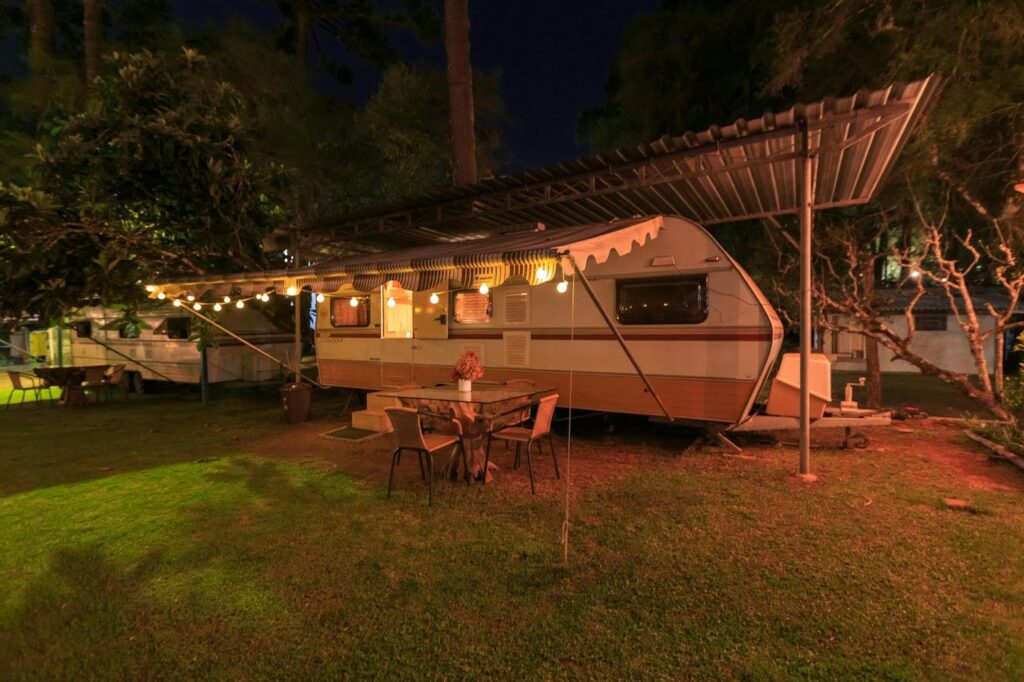
Replacing a camper awning can seem like a daunting task, but with the right tools and a bit of guidance, it can be accomplished in a few easy steps. Whether your awning has suffered damage from weather elements or simply worn out over time, this guide will walk you through the process of replacing it efficiently and effectively.
Understanding the Basics of Camper Awnings
Before diving into the replacement process, it’s important to understand the different types of camper awnings available and how they function. Awnings serve multiple purposes, including providing shade, protecting your camper from rain, and enhancing your outdoor living space. They can transform your camping experience by creating a comfortable area for relaxation, cooking, or socializing, allowing you to enjoy the great outdoors while still having a refuge from the elements.
Types of Awnings
There are several types of camper awnings, each designed for specific needs:
- Manual Awnings: These require manual operation, typically using a crank to extend and retract. They are often favored for their simplicity and reliability, as they don’t rely on electrical components that could fail.
- Electric Awnings: Operated with a switch, these awnings provide convenience but may require more complex installation. They can be particularly beneficial for larger campers where manual operation might be cumbersome.
- Retractable Awnings: These can be retracted when not in use, making them versatile for various weather conditions. Their ability to be stored away protects them from damage during storms or high winds, extending their lifespan significantly.
Common Issues with Awnings
Awnings can encounter a range of issues that may necessitate replacement. Common problems include:
- Fabric tears or rips can occur from prolonged exposure to UV rays or snagging on branches or other obstacles.
- Frame damage due to high winds can bend or break the support structure, compromising the awning’s integrity.
- Corrosion or rust on metal components is often a result of moisture exposure, which can weaken the overall structure.
In addition to these issues, proper maintenance is crucial for prolonging the life of your awning. Regular cleaning to remove dirt, debris, and mildew can prevent fabric deterioration. It’s wise to inspect the hardware and mechanisms periodically, ensuring everything is functioning smoothly. If you notice any signs of wear, addressing them early can save you from a more extensive and costly replacement down the line.
Furthermore, when considering a replacement, it’s essential to choose the right material for your awning. Options range from vinyl, which is durable and water-resistant, to acrylic fabrics that offer breathability and UV protection. Each material has its benefits and drawbacks, so understanding your specific needs and camping conditions will help you make an informed decision. Additionally, investing in accessories like awning lights or screens can enhance your outdoor experience, making your camper a true home away from home.

Gathering Tools and Materials
Having the right tools and materials on hand is crucial for a smooth replacement process. Below is a list of items you will need:
Essential Tools
- Socket set
- Screwdriver set
- Utility knife
- Measuring tape
- Ladder
Materials Required
Along with tools, you will need the following materials:
- Replacement awning fabric
- Awning roller assembly (if applicable)
- New mounting hardware
- Sealant (for weatherproofing)
Before starting your project, it’s wise to consider the specific type of awning you are working with. Different awning styles, such as retractable, stationary, or freestanding, may require unique components or tools. For instance, a retractable awning may necessitate additional brackets or a specialized installation guide to ensure it operates smoothly and safely. Taking the time to research your specific model can save you a lot of headaches down the line.
Additionally, don’t forget about safety equipment. Depending on the height at which you are working, a sturdy ladder is essential, but you might also want to consider using a harness or safety goggles, especially if you’ll be working in a windy environment. Proper safety gear protects you and allows you to focus on the task at hand without unnecessary distractions. Ensuring you have everything organized and within reach will make the entire process more efficient and enjoyable.
Preparing for Replacement
Preparation is key in ensuring a successful awning replacement. Begin by assessing the current awning and determining the extent of the damage. This will help in deciding whether to replace just the fabric or the entire assembly. Take note of any specific issues, such as tears, fading, or structural weaknesses, as these factors will influence your choice of materials and the overall design of the new awning.
Additionally, consider the environment in which the awning will be used. If your camper is frequently exposed to harsh weather conditions, selecting a more durable fabric or a robust frame may be essential. Researching various materials can provide insights into their longevity and resistance to elements like UV rays, moisture, and wind. This foresight will enhance the aesthetic appeal of your camper and extend the lifespan of your new awning.
Removing the Old Awning
Start by safely removing the old awning. Follow these steps:
- Extend the awning fully to access all parts.
- Detach the fabric from the roller by unscrewing the brackets.
- Carefully remove the roller assembly from the mounting brackets on the camper.
As you proceed with the removal, take care to keep all screws and brackets organized, as you may need them for the installation of the new awning. It can be helpful to label each component or take photos during the disassembly process. This will streamline the installation of the new awning and prevent any confusion about which parts belong where.
Inspecting the Frame and Mounting Brackets
Once the old awning is removed, inspect the frame and mounting brackets for any signs of damage. Look for rust, corrosion, or bent components. If any parts are damaged, they should be replaced to ensure the new awning functions properly. Pay special attention to the integrity of the mounting brackets, as these are crucial for securely attaching the new awning to your camper.
In addition to checking for visible damage, it may be beneficial to clean the frame and brackets thoroughly. Removing dirt, debris, and any old sealant can reveal hidden issues that may not be immediately apparent. A clean surface will also allow for better adhesion when installing the new awning. Consider applying a rust-inhibiting primer to any metal components before reassembly to further protect against future deterioration. This proactive approach will help ensure your new awning remains securely in place and functions optimally for years to come.

Installing the New Awning
With the old awning removed and the area prepared, it’s time to install the new awning. This process can vary slightly depending on the type of awning you have chosen. Whether you opted for a manual or a motorized model, the installation steps are generally straightforward, but attention to detail is crucial to ensure longevity and functionality.
Setting Up the Roller Assembly
Begin by installing the new roller assembly, if applicable:
- Align the roller assembly with the mounting brackets on the camper.
- Secure it in place using the provided hardware, ensuring it is tightly fastened.
- Make sure the roller rotates smoothly before proceeding.
Before you tighten everything down, it’s a good idea to double-check the alignment of the roller assembly. An uneven installation can lead to issues later on, such as the awning not retracting properly or wearing unevenly. If your awning comes with a leveling feature, take the time to adjust it according to the manufacturer’s instructions, as this will help maintain the integrity of the fabric over time.
Attaching the Awning Fabric
Next, attach the new awning fabric:
- Feed the fabric into the roller assembly, ensuring it is aligned properly.
- Secure the fabric to the roller using screws or clips, as specified by the manufacturer.
- Carefully roll the awning back into place, checking for any twists or misalignments.
When attaching the awning fabric, take your time to ensure it is evenly distributed across the roller. This will enhance the appearance of your awning and prevent premature wear. Some fabrics come with a protective coating that helps resist fading and water damage, so be sure to follow any specific care instructions provided. Additionally, consider the weather conditions in your area; if you expect high winds or heavy rain, you might want to reinforce the awning with extra straps or supports for added stability.
Final Adjustments and Weatherproofing
After the new awning is installed, it’s essential to make final adjustments and ensure it is weatherproofed. This will help extend the life of your awning and keep your camper protected from the elements. A well-maintained awning enhances the aesthetic appeal of your camper and provides a comfortable outdoor space for relaxation and gatherings, shielding you from the sun and rain.
Adjusting Tension
Proper tension is crucial for the awning’s performance. Follow these steps to adjust:
- Extend the awning fully and check for any sagging.
- Locate the tension adjustment mechanism, usually found on the roller assembly.
- Turn the adjustment knob or screw to achieve the desired tension.
It’s important to note that the tension may need to be adjusted periodically, especially after heavy use or exposure to strong winds. Regular checks will ensure the awning remains taut and functional, preventing any potential damage from flapping or excessive movement. Additionally, if you notice any fraying or wear on the fabric, it might be a sign that the tension needs to be recalibrated to avoid further deterioration.
Applying Sealant
To ensure your awning is weatherproof, apply a sealant to the mounting brackets and any exposed screws. This will help prevent water intrusion and protect against rust. Choosing the right sealant is crucial; look for products specifically designed for outdoor use and compatible with the materials of your awning and camper.
In addition to sealant, consider using a UV protectant spray on the fabric of the awning itself. This will help shield it from harmful sun rays, reducing fading and wear over time. Regular maintenance, such as cleaning the awning fabric and checking for any signs of damage, will also contribute to its longevity. By taking these proactive steps, you can ensure your awning remains a reliable and attractive feature of your camper for many adventures to come.
Maintaining Your New Awning
Once the new awning is installed, regular maintenance will help keep it in good condition. Here are some tips for maintaining your awning:
Cleaning the Awning
Regular cleaning is essential to prevent mold and mildew buildup. Use a soft brush and mild detergent to clean the fabric, and rinse thoroughly with water. It’s advisable to clean your awning at least twice a year, ideally in the spring and fall, to remove dirt, pollen, and other debris that can accumulate over time. For stubborn stains, consider using a mixture of water and vinegar, which can effectively break down grime without damaging the fabric.
Inspecting for Damage
Periodically check your awning for any signs of wear or damage. Early detection of issues can save time and money in the long run. Look for frayed edges, loose seams, or any signs of rust on the frame, as these can indicate that repairs are needed. Additionally, inspect the mounting hardware to ensure everything is secure and functioning properly. If you notice any significant damage, it’s wise to consult a professional for repairs to avoid compromising the awning’s integrity.
Weather Considerations
Weather conditions can greatly affect the longevity of your awning. In areas prone to heavy winds or storms, it’s important to retract the awning when severe weather is forecasted. This simple step can prevent unnecessary damage and extend the life of your awning. Furthermore, if you live in a region with intense sunlight, consider applying a UV protectant to the fabric to help resist fading and degradation caused by sun exposure. Regularly checking the weather forecast can help you stay ahead of potential issues.
Seasonal Storage
During the off-season, especially in winter, it’s beneficial to properly store your awning if it’s retractable. Make sure it is completely dry before retracting it to avoid mold growth. If you have a permanent awning, consider using a protective cover to shield it from snow and ice accumulation. This protects the fabric and helps maintain the awning’s appearance and functionality, ensuring it remains a beautiful addition to your home for years to come.
Conclusion
Replacing a camper awning may seem challenging, but with the right tools, materials, and a clear step-by-step approach, it can be a straightforward process. By understanding the types of awnings, preparing adequately, and following the installation steps, you can enjoy a new awning that enhances your camping experience. Regular maintenance will ensure your awning lasts for many adventures to come.
Are you looking for a way to enhance your vehicle so that it will hold an awning better? Check out GOBI Racks. They sell roof racks for various car models and brands, ensuring a perfect fit every time. Remember to view the Stealth Rack, as this rack comes with two removable crossbars, has a no-drill mounting system, and can hold 300 pounds comfortably. Place your order today!