




When it comes to choosing the perfect camper trailer, one of the most critical factors to consider is its dimensions. Among these, the width of the trailer plays a significant role in determining its usability, maneuverability, and overall comfort. Understanding camper trailer dimensions can help potential buyers make informed decisions that align with their needs and preferences.
Understanding Camper Trailer Width
The width of a camper trailer can vary significantly depending on its design, purpose, and the number of people it is intended to accommodate. Typically, camper trailers range from about 6 to 8 feet in width, but some models can be wider or narrower. This variability is essential to consider, as it affects the trailer’s livability and its compatibility with different towing vehicles and road regulations.
Standard Width Measurements
Most camper trailers adhere to standard width measurements that make them easier to tow and fit within the confines of road regulations. The common widths include:
- Compact models: 6 to 7 feet
- Mid-range models: 7 to 8 feet
- Luxury or larger models: 8 feet and above
These measurements are crucial when considering where the trailer will be parked or stored, as well as the types of campsites that can accommodate them. Additionally, wider trailers often provide more interior space, which can enhance the overall camping experience. Families or groups traveling together may find that a slightly wider model allows for better organization of gear and a more comfortable living arrangement, especially during inclement weather.
Factors Influencing Trailer Width
Several factors can influence the width of a camper trailer:
- Design Purpose: Trailers designed for off-road adventures may be narrower to navigate tight trails, while those meant for family camping may be wider for added comfort.
- Interior Layout: Trailers with slide-outs or expandable sections will typically require more width to accommodate additional living space.
- Regulatory Compliance: Width restrictions vary by region, so manufacturers often design trailers to comply with local laws.
Moreover, the choice of width can also impact the overall aerodynamics of the trailer, which plays a vital role in fuel efficiency during travel. Wider trailers can create more wind resistance, leading to increased fuel consumption, while narrower models may offer better fuel economy, making them an attractive option for long-distance travelers. Additionally, the width can affect the stability of the trailer while on the road; a wider base can provide better handling and reduce the risk of sway, especially in windy conditions or when navigating through hilly terrain.
Why Width Matters
The width of a camper trailer is not just a number; it has practical implications that can affect the overall camping experience. From towing to living space, the width can dictate how enjoyable and functional a trailer will be.
Towing Considerations
When towing a camper trailer, width plays a vital role in stability and handling. A wider trailer may offer more interior space but can also create challenges on the road. Here are some towing considerations:
- Stability: Wider trailers tend to be more stable on the road, reducing the risk of swaying.
- Compatibility: Ensure the towing vehicle is rated for the width and weight of the trailer.
- Visibility: Wider trailers may obstruct rear visibility, making it essential to use towing mirrors.
Additionally, the width can influence how easily a trailer maneuvers through tight spaces, such as narrow roads or campsites. A wider trailer may require more careful navigation, especially when making turns or backing up. It’s also important to consider the width of the lanes on highways and byways, as a wider trailer may take up more space, necessitating extra caution during travel. This can affect the driver’s confidence and the safety of other road users.
Living Space and Comfort
The width of a camper trailer directly impacts the living space available for occupants. A wider trailer can provide more room for essential amenities such as:
- Sleeping Areas: Wider trailers can accommodate larger beds or multiple sleeping areas.
- Kitchen Facilities: A broader layout allows for more counter space and storage options.
- Seating Arrangements: Families or groups can benefit from additional seating options in wider trailers.
Moreover, the increased width can enhance the overall ambiance of the living space, allowing for better airflow and natural light. This can make a significant difference in the comfort level, especially during long trips or extended stays at campsites. A wider trailer can also facilitate social interactions, as it provides more room for gatherings and activities, making it easier for families and friends to enjoy each other’s company without feeling cramped. The layout possibilities are nearly endless, with options for slide-outs or expandable sections that can further enhance the living experience.
Popular Camper Trailer Widths by Type
Different types of camper trailers have varying widths that cater to specific needs and preferences. Understanding these can help potential buyers choose the right model for their adventures.
Pop-Up Trailers
Pop-up trailers are known for their compact design and ease of transport. Typically, they range from 6 to 7 feet in width when closed, making them easy to tow. When set up, their width can expand, providing more living space without significantly increasing the towing width. These trailers often feature canvas sides that can be unzipped to reveal additional sleeping areas, making them an excellent choice for families or groups looking to maximize space without sacrificing mobility. Additionally, many pop-up trailers come equipped with outdoor kitchens or dining areas, allowing campers to enjoy the great outdoors while cooking and eating.
Travel Trailers
Travel trailers are available in a wide range of widths, usually between 7 and 8 feet. They are designed for comfort and often come with various amenities. Their width allows for more spacious interiors, which can be particularly appealing for families. Many models feature slide-outs that further increase living space when parked, providing room for dining, lounging, and entertainment systems. With options that include full bathrooms and kitchens, travel trailers can feel like a home away from home, making them a popular choice for extended trips or seasonal camping. Furthermore, the variety of layouts available means that buyers can select configurations that best suit their lifestyle, whether they prioritize sleeping capacity or living space.
Fifth-Wheel Trailers
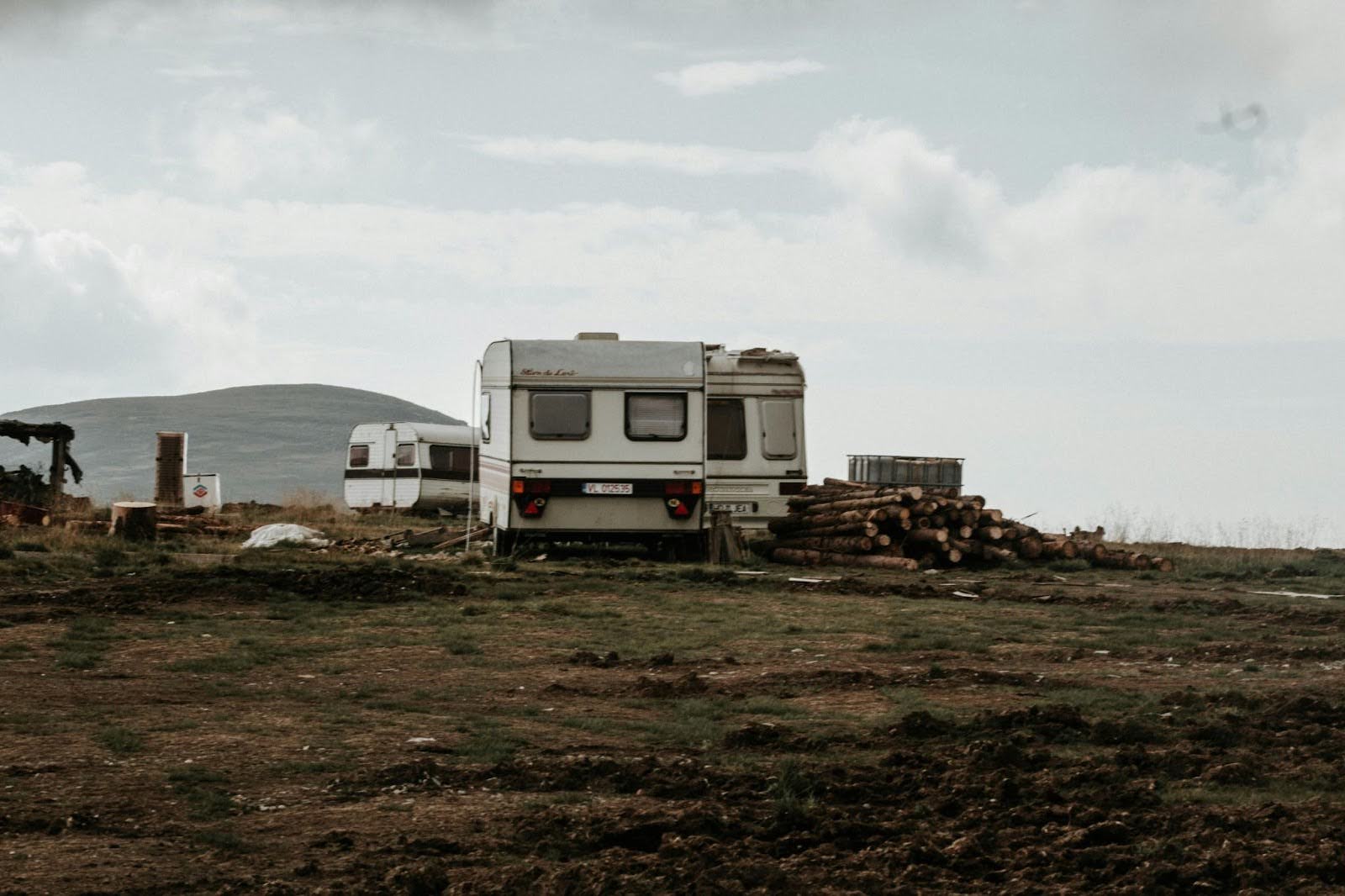
Fifth-wheel trailers are generally larger and wider than standard travel trailers, often exceeding 8 feet in width. This design allows for more luxurious features and spacious interiors, making them popular among those who prioritize comfort during their travels. The unique hitching mechanism of fifth-wheel trailers provides improved stability while towing, making them easier to handle on the road. Inside, these trailers often boast high ceilings and expansive living areas, complete with full-sized kitchens and multiple bedrooms, making them ideal for families or those who enjoy entertaining on the road. Additionally, many fifth-wheel models come equipped with outdoor entertainment systems and spacious awnings, enhancing the camping experience by allowing for comfortable outdoor living spaces that are perfect for gatherings or simply relaxing under the stars.
Choosing the Right Width for Your Needs
Determining the right width for a camper trailer involves considering several personal factors. Each camper’s needs will differ based on their travel style, group size, and intended use.
Travel Style
For those who prefer off-the-beaten-path adventures, a narrower trailer may be more suitable for navigating tight trails and campsites. These compact models are often designed to be lightweight and easy to tow, making them ideal for rugged terrain where larger vehicles might struggle. Conversely, if comfort and amenities are a priority, a wider trailer may be the better option. Wider trailers typically come equipped with more features, such as larger kitchens, spacious bathrooms, and additional sleeping areas, enhancing the overall camping experience, especially during longer trips.
Group Size
The number of people traveling can significantly influence the choice of trailer width. A larger group will benefit from the extra space that wider trailers provide, allowing for more comfortable sleeping arrangements and communal areas for socializing. Families, for instance, may appreciate the added room for children to play or for storing gear. On the other hand, solo travelers or couples may find compact models sufficient, as they often prioritize ease of maneuverability and fuel efficiency. Additionally, smaller trailers can often be parked in more diverse locations, giving travelers the flexibility to explore a variety of camping spots without the hassle of finding ample space.
Budget Considerations
Another critical factor to consider when selecting the width of your camper trailer is your budget. Wider trailers, while offering more space and amenities, often come with a higher price tag. This increase in cost can also extend to maintenance and fuel expenses, as larger trailers may require more powerful towing vehicles and incur higher operational costs. Conversely, narrower models can be more budget-friendly, making them an attractive option for first-time buyers or those looking to minimize their expenses. It’s essential to weigh the initial investment against long-term costs to ensure the chosen trailer aligns with your financial capabilities and travel goals.
Impact of Width on Campsite Selection
The width of a camper trailer can also affect the types of campsites that can accommodate it. Many campgrounds have specific site dimensions that must be adhered to, and wider trailers may limit options. This is particularly important for those who enjoy exploring lesser-known or more remote camping locations, as these sites often have stricter size restrictions.
Types of Campsites
When selecting a campsite, consider the following types:
- Standard Campsites: These typically accommodate trailers up to 8 feet wide, but it’s essential to check individual site dimensions. Many standard sites are nestled among trees or near water sources, which can enhance the camping experience but may also restrict maneuverability for wider units.
- RV Parks: Many RV parks are designed to accommodate larger trailers, offering wider sites and additional amenities. These parks often provide hookups for electricity, water, and sewage, making them a convenient choice for those who prefer a more comfortable camping experience.
- Backcountry Sites: Narrower trailers are often more suitable for backcountry camping, where space may be limited. These sites typically require a bit of off-road driving or hiking to access, allowing campers to immerse themselves in nature while avoiding the crowds found in more developed campgrounds.
Parking and Storage
Width also affects where the trailer can be parked or stored. Homeowners should consider their driveway dimensions and any storage facilities they may use. Wider trailers may require more space, which could lead to challenges in urban settings or smaller properties. Additionally, some homeowners associations have restrictions on the size of vehicles that can be parked in driveways or on the street, further complicating the storage of wider trailers.
Furthermore, when planning trips, it’s wise to consider the accessibility of the roads leading to your chosen campsite. Some rural or scenic routes may have narrow lanes or tight turns that could pose a challenge for wider trailers. Ensuring your route is suitable for your trailer’s dimensions can save you from potential headaches and make your travel experience more enjoyable. Additionally, some campgrounds offer maps or guidelines for navigating their sites, which can be invaluable for those with wider units.
Comparing Widths: A Table for Quick Reference
| Trailer Type | Typical Width (Feet) | Best For
|
|---|---|---|
| Pop-Up Trailers | 6 – 7 | Compact travel, easy towing |
| Travel Trailers | 7 – 8 | Family camping, comfort |
| Fifth-Wheel Trailers | 8+ | Luxury travel, spacious living |
Conclusion
In summary, the width of a camper trailer is a crucial consideration that impacts various aspects of the camping experience. From towing and maneuverability to living space and campsite selection, understanding the dimensions of camper trailers can help buyers make informed decisions. Whether opting for a compact model for solo adventures or a wider trailer for family trips, knowing how width affects functionality will enhance the overall enjoyment of camping.
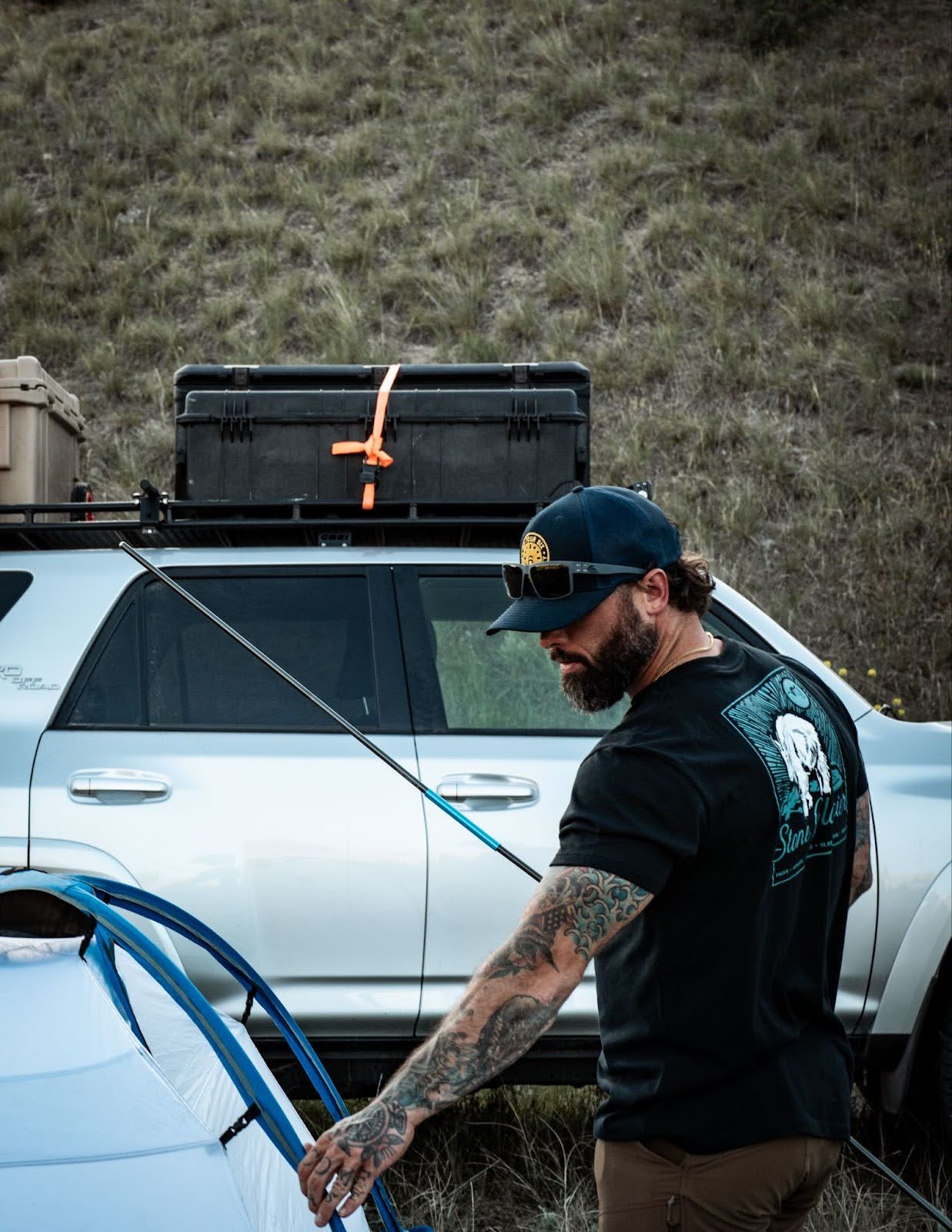
Are you looking for car accessories that will make your camping gear more organized during trips? Check out GOBI Racks. They sell roof racks, ladders, gear bags, and other accessories to enhance any vehicle for a camping trip. Be sure to view the Ranger Rack, as this rack is easy to install, comes with two removable crossbars, and can hold 200 pounds comfortably. It’s the perfect addition to any car that’s carrying a camper trailer! Place your order today.