




Transporting a kayak can be a thrilling adventure, but it also comes with its own set of challenges, particularly when it comes to securing your kayak on a roof rack. Properly securing your kayak is essential to ensure safety on the road, protect your vehicle, and safeguard your kayak from damage. In this article, we will explore the best practices for securing your kayak on a roof rack, focusing on the importance of choosing the right equipment, techniques for securing the kayak, and tips for safe transport.

Choosing the Right Roof Rack
The first step in safely transporting your kayak is selecting the right roof rack. Not all roof racks are created equal, and the choice can significantly impact the security of your kayak during transport.
Custom-Fit Roof Racks
When it comes to roof racks, opting for a custom-fit option can make all the difference. GOBI Racks specializes in premium, no-drill, custom-fit roof racks designed specifically for various vehicle models. Their racks not only provide a perfect fit but also ensure optimal load distribution, which is crucial for safely transporting a kayak.
Custom-fit roof racks are engineered to integrate seamlessly with your vehicle’s design. This means that they enhance both the functionality and aesthetics of your vehicle while providing a sturdy platform for your kayak. Additionally, the installation process is straightforward, often requiring minimal tools and time, allowing you to hit the road with confidence and ease.
Rack Styles and Features
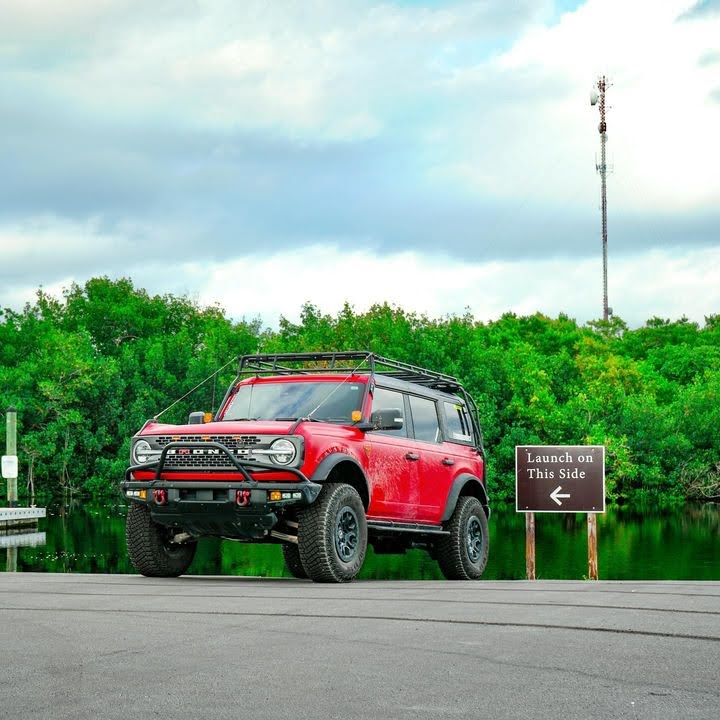
When selecting a roof rack, consider the style that best suits your needs. GOBI Racks offers two distinct styles: the Ranger Rack and the Stealth Rack. The Ranger Rack features a 4-inch deep basket, providing a classic off-road look, while the Stealth Rack has a slim 2-inch profile, ideal for low clearance.
Both styles are built from heavy-duty, fully welded steel and are designed to withstand significant loads. With a static load capacity of up to 800 pounds, these racks can easily handle the weight of your kayak along with any additional gear you may need for your adventure. Furthermore, many racks come equipped with additional features such as tie-down points and integrated lighting options, which can enhance visibility during nighttime loading and unloading, ensuring a safer experience overall.
Moreover, it’s essential to consider the compatibility of your roof rack with various accessories. Many roof racks are designed to accommodate additional attachments, such as bike carriers or cargo baskets, which can be incredibly useful for multi-sport enthusiasts. This versatility allows you to maximize your vehicle’s utility, making it easier to transport not just your kayak, but also other outdoor gear, all in one trip. Investing in a roof rack that offers such flexibility can transform your vehicle into an adventure-ready machine, ready to tackle any outdoor excursion you have in mind.
Securing Your Kayak: Best Practices
Once you have chosen the right roof rack, the next step is to secure your kayak properly. This involves using the right straps and techniques to ensure that your kayak remains stable during transport.
Using the Right Straps
Investing in high-quality kayak straps is essential. Look for straps that are designed specifically for securing kayaks, as they often come with features like padded buckles to prevent scratching your kayak’s surface. When securing your kayak, use at least two straps—one for the front and one for the back. This will help prevent any movement during transit. Make sure the straps are tight but not overly so, as this could damage your kayak. A good rule of thumb is to check the straps periodically during your journey to ensure they remain secure. Additionally, consider using cam buckle straps, which allow for easy adjustments and provide a strong hold without the risk of over-tightening.
Positioning Your Kayak
How you position your kayak on the roof rack is equally important. For most kayaks, the best position is upside down, which helps to reduce wind resistance and keeps the hull protected. If your kayak has a large cockpit, you may also consider placing it right side up with the cockpit facing down to secure it better.
Ensure that the kayak is centered on the roof rack to maintain balance. An unbalanced load can lead to instability while driving, increasing the risk of accidents. Additionally, if your kayak is longer than your vehicle, consider using a red flag or marker to alert other drivers. It’s also wise to check local regulations regarding kayak transport, as some areas may have specific requirements for securing larger loads. Furthermore, using foam blocks or cradles can provide additional support and cushioning, ensuring that your kayak is not only secure but also protected from potential scratches or dents during travel.
Additional Tips for Safe Transport
Beyond choosing the right equipment and securing your kayak properly, there are several additional tips to keep in mind for safe transport.
Check Local Regulations
Before hitting the road, familiarize yourself with local regulations regarding transporting kayaks. Some areas have specific laws regarding the use of roof racks and the dimensions of loads. Ensuring compliance with these regulations can save you from potential fines and enhance safety on the road.
Additionally, be aware of height restrictions, especially if you plan to drive through areas with low overpasses or bridges. Knowing the height of your vehicle with the kayak on top can help you avoid accidents. It’s also a good practice to check for any seasonal restrictions or temporary road closures that might affect your route, particularly in areas prone to flooding or heavy snowfall.
Regular Maintenance and Inspection
Regularly inspect your roof rack and straps for any signs of wear and tear. This includes checking for rust, loose bolts, or frayed straps. Maintaining your equipment ensures that it remains reliable and safe for transporting your kayak.
It is also wise to periodically check the tightness of your kayak straps during long trips. Stopping every couple of hours to inspect your load can prevent any unexpected issues while on the road. Furthermore, consider investing in additional safety gear such as red flags or reflective tape to attach to your kayak, making it more visible to other drivers, especially during low-light conditions or inclement weather. This added visibility can be crucial in preventing accidents and ensuring a safer journey for everyone on the road.
Plan Your Route Wisely
Planning your route in advance can significantly enhance the safety of your transport. Use GPS or mapping applications to identify roads that are suitable for larger vehicles and avoid narrow or winding roads that may pose challenges with a kayak on top. Additionally, consider the time of day you will be traveling; early mornings or late afternoons can lead to heavy traffic, which may increase the risk of accidents.
Moreover, look for rest stops or safe places to pull over along your route. This is particularly important for long trips, as it allows you to take breaks, stretch your legs, and ensure that your kayak remains securely fastened. Having a plan for rest stops can also help you stay alert and refreshed, reducing the chances of fatigue-related incidents while driving.
Adventure Awaits
Securing your kayak on a roof rack may seem daunting, but with the right equipment and techniques, it can be straightforward. Choosing a custom-fit roof rack from GOBI Racks ensures that your kayak is transported safely and securely, allowing you to focus on the adventure ahead.
By following the best practices outlined in this article, you can minimize the risk of accidents and enjoy your kayaking experience to the fullest. Remember, safety is paramount, and taking the time to secure your kayak properly will pay off in peace of mind during your travels. So gear up, hit the road, and embrace the thrill of the great outdoors!
Ready for Your Next Adventure?
Don’t let worries about transporting your kayak hold you back. With GOBI Racks, you’re equipped for any journey. Our durable, no-drill Ranger Rack is perfect for adventurers who demand the best in security and convenience, capable of holding 300 pounds with ease. Plus, the two removable cross bars add to its versatility. Enhance your vehicle’s functionality and aesthetics with our range of roof racks, ladders, gear bags, and more. Shop Now and prepare to embark on your next great outdoor adventure with confidence.