




Off-road camping offers a unique blend of adventure and tranquility, allowing enthusiasts to immerse themselves in nature while enjoying the thrill of rugged terrain. However, proper preparation is key to ensuring a successful outing. Together, we will discuss essential gear and practical tips that will elevate any off-road camping experience.
Choosing the Right Vehicle
Your vehicle is the backbone of your off-road camping adventure. Selecting the right one can significantly impact your experience, so consider the following factors:
Types of Vehicles
- 4×4 Trucks: Ideal for rough terrains, providing ample storage and towing capacity.
- Off-Road SUVs: Versatile and comfortable, suitable for both on-road and off-road conditions.
- ATVs and UTVs: Perfect for smaller groups, offering agility and ease of maneuverability.
Vehicle Modifications
Consider making modifications to your vehicle to enhance its off-road capabilities. Upgrades such as all-terrain tires, suspension lifts, and skid plates can significantly improve performance on rugged trails.
Additionally, installing a winch can be a game-changer, allowing you to pull your vehicle out of tricky situations or assist others in need. A roof rack can be beneficial, providing extra storage for gear and equipment, which is especially useful for longer trips where packing space is at a premium. Don’t forget about lighting; adding LED light bars can greatly improve visibility during nighttime adventures, ensuring you can navigate safely through the wilderness.
Fuel Efficiency and Range
When selecting a vehicle, it’s essential to consider fuel efficiency and range, especially if you plan to venture into remote areas where fuel stations are scarce. Some off-road vehicles are designed with larger fuel tanks and more efficient engines, allowing for longer journeys without the constant worry of running out of gas. This is particularly important if you plan to explore national parks or wilderness areas, where the nearest station may be miles away. Researching the fuel consumption of your chosen vehicle can help you plan your trips more effectively, ensuring you maximize your time spent enjoying the great outdoors.
Essential Camping Gear
Equipping yourself with the right gear is crucial for comfort and safety during your off-road camping trip. Here’s a breakdown of essential items:
Camping Essentials
- Tent: Choose a durable, weather-resistant tent that can withstand the elements. Consider the size and weight of the tent, especially if you plan to hike to your camping site. A tent with a rainfly and good ventilation will keep you dry and comfortable.
- Sleeping Bag: To ensure warmth during chilly nights, opt for a sleeping bag rated for the season. Look for features like a draft collar and hood to retain heat, as well as materials that wick moisture away from your body.
- Camping Stove: A portable stove allows for easy meal preparation while minimizing fire hazards. Some models offer multiple burners and can be fueled by propane or butane, providing versatility for cooking various meals.

Navigation and Safety Gear
Staying safe and oriented in the wilderness is paramount. Equip yourself with:
- GPS Device: A reliable GPS can help you navigate unfamiliar terrains. It’s also wise to carry a physical map and compass as a backup, in case your electronic devices fail.
- First Aid Kit: Always carry a well-stocked first aid kit for emergencies. Ensure it includes items like antiseptic wipes, adhesive bandages, and any personal medications you may need.
- Multi-Tool: A versatile tool can assist with various tasks, from repairs to meal prep. Look for a multi-tool that includes a knife, screwdriver, and pliers for maximum utility.
Additional Comfort Items
While the essentials are critical, adding a few comfort items can enhance your camping experience significantly. Consider bringing along a portable hammock for relaxation during the day, allowing you to enjoy the scenery while taking a break from your hiking adventures. A compact camp chair can also provide a comfortable spot to sit around the fire, making evenings more enjoyable as you share stories and roast marshmallows.
Moreover, don’t forget to pack a durable cooler to keep your food and drinks fresh. A well-insulated cooler can make a world of difference, especially on hot days when you want to enjoy a cold beverage. Additionally, bringing along a solar-powered charger can help keep your devices powered, ensuring you can stay connected or capture those breathtaking moments without worrying about battery life.
Food and Cooking Supplies
Planning meals ahead of time can enhance your off-road camping experience. Consider the following tips for food and cooking supplies:
Meal Planning
Opt for easy-to-cook meals that require minimal preparation. Pre-packaged meals, canned goods, and freeze-dried options are excellent choices for off-road camping. Additionally, consider the dietary restrictions and preferences of your group to ensure everyone is satisfied. It’s wise to create a meal schedule that outlines what you’ll eat each day, which can help you manage your supplies effectively and reduce food waste. Incorporating snacks like trail mix, energy bars, and fresh fruits can keep energy levels up during your outdoor adventures.
Cooking Gear
- Portable Grill: A compact grill can make cooking enjoyable and efficient.
- Cookware: Lightweight pots and pans are essential for preparing meals.
- Utensils: Don’t forget forks, knives, and spoons, as well as a cutting board for food prep.
In addition to the basic cooking gear, consider bringing a multi-tool or a Swiss Army knife, which can serve various purposes, from opening cans to cutting rope. A durable cooler is also a valuable asset for keeping perishables fresh, especially if your camping trip spans several days. When selecting a cooler, look for one with good insulation and a secure lid to prevent any unwanted animal visitors. Furthermore, a portable stove can be a game-changer for cooking in inclement weather, allowing you to prepare hot meals without relying solely on an open flame.
Don’t overlook the importance of cleaning supplies as well. Bring biodegradable soap, a sponge, and a small dish towel to keep your cooking area tidy. A collapsible sink or a large bowl can be handy for washing dishes, while a trash bag will help you leave no trace behind. By being organized and prepared with your food and cooking supplies, you can focus more on enjoying the great outdoors and less on the logistics of meal preparation.
Setting Up Camp
Once you arrive at your destination, setting up camp properly is crucial for a comfortable stay. Here are some tips to consider:
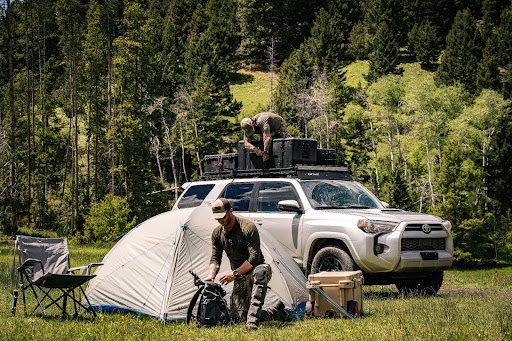
Choosing the Right Spot
Look for a flat, dry area to pitch your tent, ideally away from potential hazards like falling branches or flooding. Ensure you’re not too close to water sources, as this can attract wildlife. Additionally, consider the direction of the wind and the position of the sun. A spot that receives morning sunlight can help warm you up as the day begins, while a location shielded from strong winds can make for a more pleasant evening.
Establishing a Campfire Area
- Fire Ring: If allowed, create a fire ring using rocks to contain the fire.
- Firewood: Gather dry wood for fuel, but be mindful of local regulations regarding firewood collection.
- Safety Precautions: Always have water or a fire extinguisher nearby to extinguish the fire safely.
In addition to these basic fire safety measures, it’s wise to familiarize yourself with the local wildlife and their behaviors, especially if you’re camping in areas known for bears or other large animals. Keeping your campsite clean and storing food in bear-proof containers can significantly reduce the risk of unwanted visitors. Furthermore, consider the layout of your campsite; arranging your cooking area away from your sleeping area can help minimize the chances of attracting wildlife while you sleep.
Lastly, think about the amenities you might want to include in your campsite. Setting up a communal area with seating, perhaps using logs or portable chairs, can foster a sense of camaraderie among campers. Stringing up a tarp can provide shade during the day and shelter from rain at night, enhancing your overall camping experience. Remember, the goal is to create a space that is functional and inviting, allowing everyone to unwind and enjoy the beauty of nature.
Staying Connected and Informed
While off-road camping is about disconnecting from the hustle and bustle of daily life, staying informed is essential for safety. Consider the following:
Communication Tools
- Two-Way Radios: Useful for communication within your group, especially in areas with limited cell service.
- Emergency Beacon: A satellite beacon can be a lifesaver in case of emergencies.
Weather Awareness
Check the weather forecast before heading out and remain vigilant during your trip. Sudden weather changes can impact your plans, so be prepared to adjust accordingly. In addition, it’s wise to familiarize yourself with the specific climate patterns of the region you’re exploring. For instance, certain areas may experience sudden thunderstorms or temperature drops, especially in mountainous terrain. Keeping a portable weather radio on hand can provide real-time updates and alerts, ensuring you’re never caught off guard. Furthermore, understanding the signs of impending weather changes, such as shifts in wind direction or unusual cloud formations, can enhance your ability to respond swiftly to nature’s whims.
Navigation and Safety
Equally important as staying informed about the weather is having reliable navigation tools. While GPS devices are incredibly useful, they can sometimes fail in remote areas. Carrying a detailed map and compass is a smart backup plan. Familiarize yourself with the terrain and landmarks before your trip, and consider downloading offline maps on your smartphone for added security. Additionally, sharing your itinerary with someone who isn’t going with you can provide an extra layer of safety; they’ll know where to look for you in case of an emergency.
Leave No Trace Principles
Respecting nature is essential for preserving the beauty of off-road camping locations. Adhering to Leave No Trace principles ensures that future generations can enjoy these pristine environments. By following these guidelines, campers can contribute to the health of ecosystems and the well-being of wildlife, ensuring the great outdoors remains a sanctuary for all forms of life. The principles encourage a mindset of stewardship, fostering a deeper connection between individuals and the natural world.
Principles to Follow
- Plan Ahead: Research your destination and prepare accordingly to minimize impact. Understanding the local regulations, weather conditions, and potential hazards can enhance your experience while protecting the environment.
- Travel and Camp on Durable Surfaces: Stick to established trails and campsites to avoid damaging vegetation. Utilizing durable surfaces preserves the natural landscape and helps prevent soil erosion, which can have long-lasting effects on the ecosystem.
- Dispose of Waste Properly: Pack out what you pack in, including food scraps and trash. Consider using biodegradable products and minimizing packaging to reduce waste. This practice is crucial in maintaining the beauty of natural spaces and ensuring they remain unspoiled for future visitors.
Wildlife Interaction
Keep a safe distance from wildlife and never feed them. This practice protects you and helps maintain wildlife’s natural behaviors. Feeding animals can lead to dependency on human food sources, which disrupts their natural foraging instincts and can result in dangerous encounters. Observing wildlife from a distance allows for a more authentic experience while ensuring these creatures can thrive in their natural habitats without human interference.
Additionally, understanding the local wildlife and their behaviors can enrich your outdoor experience. For instance, learning about the migratory patterns of birds or the foraging habits of bears can provide insight into the delicate balance of the ecosystem. Carrying binoculars or a camera can enhance your wildlife observation, allowing you to appreciate the beauty of nature while respecting the space that animals need to thrive. Remember, the goal is to coexist harmoniously with wildlife, ensuring both humans and animals can enjoy the wonders of the great outdoors.
Emergency Preparedness
No adventure is without its risks, and being prepared for emergencies can make all the difference. Here are some strategies to consider:
First Aid Knowledge
Familiarize yourself with basic first aid procedures. Knowing how to treat common injuries can be invaluable in remote areas where professional help is far away.
Emergency Kits
- Food and Water Supplies: Pack extra food and water in case of emergencies.
- Signal Mirror or Whistle: These tools can help you signal for help if needed.
Enjoying the Experience
While preparation is key, don’t forget to enjoy the journey. Off-road camping is about making memories, so take time to appreciate the surroundings.
Activities to Consider
- Hiking: Explore nearby trails and discover the beauty of the landscape.
- Photography: Capture the stunning scenery and wildlife.
- Stargazing: At night, enjoy the clear skies and marvel at the stars.
Building Connections
Off-road camping is also an opportunity to bond with friends and family. Share stories around the campfire, cook meals together, and create lasting memories that will be cherished for years to come.
Gear Up and Get Out There
Off-road camping can be a rewarding experience filled with adventure and connection to nature. By preparing adequately with the right gear, following safety protocols, and respecting the environment, campers can ensure a memorable and enjoyable outing. Embrace the journey, explore the wilderness, and make the most of every moment spent in the great outdoors.
Planning your next off-road camping trip? GOBI Racks has everything you need to gear up—offering roof racks, ladders, gear bags, and more to enhance your vehicle’s utility and style. The Stealth Rack is built for rugged adventures, featuring two removable crossbars, a no-drill mounting system, and a 300-pound capacity. It’s the perfect companion for any backcountry getaway. Order today and take your adventure further!