




With the increasing popularity of e-bikes, many enthusiasts are looking for convenient ways to transport their electric bicycles. One common method is using a roof rack. However, this raises an important question: Is it safe to carry an e-bike on a roof rack? With our help, you will learn about the considerations, benefits, and potential drawbacks of using a roof rack for e-bike transportation.
Understanding E-Bikes and Roof Racks
Before diving into safety concerns, it’s essential to understand what e-bikes are and how roof racks function. E-bikes, or electric bicycles, are equipped with a battery and motor that assist with pedaling. They come in various styles, including mountain, road, and commuter bikes, each designed to cater to different riding experiences and terrains. For instance, mountain e-bikes often feature robust frames and enhanced suspension systems to handle rugged trails, while commuter e-bikes prioritize comfort and practicality for urban environments. Roof racks, on the other hand, are designed to hold various types of cargo on the roof of a vehicle, providing a practical solution for transporting bikes, kayaks, and other equipment. They can be a game-changer for outdoor enthusiasts who want to explore new trails or waterways without the hassle of disassembling their gear.
Types of Roof Racks
There are several types of roof racks available on the market, each suited for different needs. Here’s a brief overview:
- Cross Bars: These are the basic components that attach to the roof of the vehicle and serve as a foundation for other accessories. They come in various lengths and materials, allowing for customization based on the vehicle type and intended use.
- Bike Racks: Specifically designed to hold bicycles securely, these racks can be mounted on cross bars and often come with additional features like wheel trays and frame clamps. Some models even include locking mechanisms to deter theft, providing peace of mind when leaving your bike unattended.
- Universal Racks: These racks can accommodate various bike sizes and styles, making them versatile for different e-bikes. Their adjustable design allows for easy installation and removal, catering to users who may not use their roof rack daily.
Weight Considerations
Due to their batteries and motors, e-bikes are generally heavier than traditional bicycles. It’s crucial to consider the weight limit of both the roof rack and the vehicle itself. Most roof racks have a specified weight capacity, and exceeding this limit can lead to dangerous situations while driving. Additionally, the overall height of the loaded vehicle can affect aerodynamics and fuel efficiency, so it’s wise to keep this in mind when planning your trip.
When selecting a roof rack, it’s advisable to check the manufacturer’s guidelines to ensure it can safely support the weight of your e-bike. Additionally, consider the weight distribution on the roof to maintain vehicle stability. Properly securing your e-bike with straps or tie-downs is essential to prevent any movement during transit, which could lead to damage to both the bike and the vehicle. Furthermore, it’s beneficial to familiarize yourself with the local laws regarding transporting bikes on roof racks, as regulations can vary significantly by region, ensuring a hassle-free journey.
Safety Concerns When Using a Roof Rack
Transporting an e-bike on a roof rack poses several safety concerns that should be addressed. Understanding these risks can help ensure a safer journey.
Stability and Aerodynamics
One of the primary concerns when carrying an e-bike on a roof rack is stability. E-bikes can be bulky and may affect the vehicle’s center of gravity. This shift can lead to handling issues, especially during high-speed driving or sharp turns.
Aerodynamics also plays a role; an e-bike on the roof can create additional drag, which may impact fuel efficiency and vehicle performance. To mitigate these issues, ensure the bike is securely fastened and consider using aerodynamic bike racks designed to minimize wind resistance. Additionally, it’s beneficial to regularly check the tightness of the rack and the bike’s attachment points, as vibrations from the road can loosen them over time.
Risk of Damage
Transporting an e-bike on a roof rack can expose it to potential damage. Road debris, weather conditions, and vibrations from the road can all take a toll on the bike. Furthermore, the process of loading and unloading the bike can lead to scratches, dents, or other damage if not handled carefully.
To protect the e-bike, consider using protective covers or padding when securing it to the rack. Additionally, regular inspections of both the bike and the rack can help identify any issues before they become serious. It’s advisable to familiarize yourself with the bike’s components; for instance, ensuring the battery is removed or secured properly can prevent damage from jostling during transit. Taking these precautions can significantly extend the life of your e-bike and maintain its performance.
Legal and Insurance Considerations
Before transporting an e-bike on a roof rack, it’s essential to be aware of any legal regulations in your area. Some regions have specific laws regarding the transportation of bicycles, including restrictions on overhanging loads. Familiarizing yourself with these regulations can prevent potential fines or legal issues.
Moreover, it’s wise to check with your insurance provider to ensure your policy covers any damages or liabilities that may arise while transporting your e-bike. This can provide peace of mind during your travels. In addition to insurance, consider documenting the condition of your e-bike before and after transport. Taking photographs can serve as evidence in case of disputes with insurance companies or if you need to file a claim for damages. Being proactive about these considerations can help you enjoy your e-bike adventures with confidence.
Best Practices for Transporting E-Bikes on Roof Racks
To ensure a safe and efficient transportation experience, following best practices is crucial. Here are some tips to consider when using a roof rack for your e-bike:
Choosing the Right Rack
Selecting the appropriate roof rack is the first step in ensuring safety. Look for racks specifically designed for e-bikes, as they are built to accommodate the additional weight and size. Consider features such as:
- Adjustable Wheel Trays: These can accommodate different wheel sizes and provide better stability.
- Frame Locks: Ensure the rack has secure locking mechanisms to prevent the bike from shifting during transit.
- Lightweight Materials: Choose racks made from durable yet lightweight materials to minimize additional weight on the roof.
Additionally, it’s wise to check the load capacity of your vehicle’s roof before purchasing a rack. Many vehicles have specific weight limits that, if exceeded, can compromise safety and performance. Researching user reviews and ratings for various racks can also provide insights into their reliability and ease of use, helping you make a more informed decision.
Securing the E-Bike Properly
Once the right rack is chosen, securing the e-bike correctly is paramount. Here are the steps to follow:
- Remove any loose items from the bike, such as water bottles or bags, to prevent them from falling during transit.
- Ensure the battery is securely attached, as vibrations can cause it to loosen.
- Use straps to secure the bike frame to the rack, ensuring it does not move or sway while driving.
- Double-check all connections and straps before hitting the road.
Moreover, consider using additional padding or protective covers for your e-bike, especially if it has delicate components or a painted finish that could be scratched. Investing in a good quality bike cover can protect it from dirt, debris, and potential scratches during transport, ensuring it arrives in pristine condition. It’s beneficial to practice loading and unloading your bike a few times before your trip to familiarize yourself with the process and make it more efficient.
Regular Maintenance and Checks
Regular maintenance of both the e-bike and the roof rack is essential for safe transportation. Before embarking on a trip, inspect the following:
- Bike Condition: Check for any mechanical issues, tire pressure, and battery charge.
- Rack Integrity: Ensure that all components of the roof rack are in good condition and securely attached to the vehicle.
- Weather Conditions: Be mindful of weather conditions that may affect driving, such as high winds or rain, which could impact stability.
In addition to these checks, it’s advisable to periodically clean your roof rack and e-bike to prevent rust and corrosion, especially if you frequently ride in wet or muddy conditions. A thorough cleaning can help you spot any potential issues, such as cracks or loose fittings, before they become serious problems. Keeping a checklist of maintenance tasks can assist in ensuring that nothing is overlooked, providing peace of mind as you transport your e-bike to your next adventure.
Alternatives to Roof Racks
While roof racks can be a convenient option for transporting e-bikes, they are not the only solution available. Exploring alternatives may provide additional safety and ease of use.
Hitch-Mounted Racks
Hitch-mounted racks are a popular alternative to roof racks. These racks attach to the vehicle’s hitch and often provide a more stable and secure method of transportation. Some benefits include:
- Lower Loading Height: Loading and unloading e-bikes is easier, as they are closer to the ground.
- Better Stability: Hitch-mounted racks tend to have a lower center of gravity, improving vehicle handling.
- Less Wind Resistance: These racks typically create less drag compared to roof-mounted options.
Additionally, many hitch-mounted racks are designed to accommodate multiple bikes, making them an excellent choice for families or groups traveling together. Some models even feature tilting mechanisms that allow easy access to the trunk or rear of the vehicle without needing to remove the bikes. This added convenience can be particularly beneficial during long trips when frequent stops are necessary.
Inside the Vehicle
For those with enough space, transporting an e-bike inside the vehicle can be the safest option. This method eliminates concerns about wind resistance, stability, and potential damage from road debris. However, it may require removing the front wheel or adjusting the bike to fit comfortably.
When opting for this method, it’s essential to ensure the interior of the vehicle is adequately protected to prevent scratches or damage. Using blankets or specialized bike bags can help safeguard both the bike and the vehicle’s interior. Moreover, transporting the bike inside can deter theft, as it is out of sight and secured within the vehicle, providing peace of mind during stops along the journey.
Transport Services
For long-distance travel, consider using a transport service that specializes in moving bikes. These services can provide professional handling and ensure that your e-bike arrives safely at your destination without the risks associated with personal transportation.
Many transport services offer tailored solutions, including door-to-door delivery, which can save time and hassle. They often have experience in securely packaging and handling e-bikes, ensuring they are protected from damage during transit. Some services even provide tracking options, allowing you to monitor your bike’s journey, which can be especially reassuring for those who value their e-bikes as significant investments. Additionally, utilizing a transport service can free up space in your vehicle for other essentials, making your travel experience more comfortable and enjoyable.
Safe E-Bike Hauling Tips
Carrying an e-bike on a roof rack can be safe if proper precautions are taken. Understanding the weight and stability concerns, choosing the right rack, and securing the bike correctly are essential steps in ensuring a safe transportation experience. However, it is also worth exploring alternative options, such as hitch-mounted racks or transporting the bike inside the vehicle, to find the best solution for individual needs. Ultimately, safety should always be the top priority when transporting any bicycle, especially an e-bike.
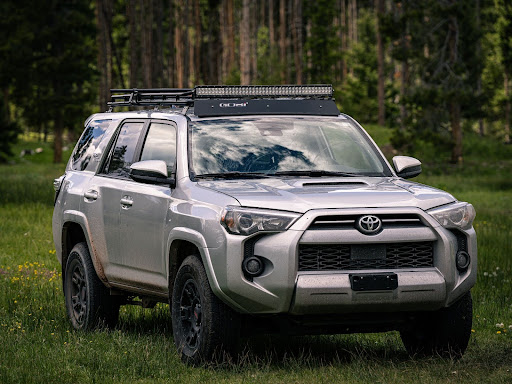
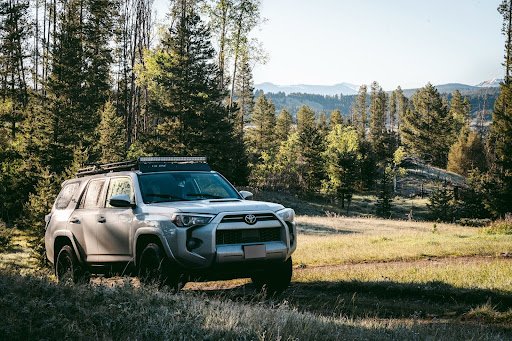
Need a strong, reliable roof rack for your e-bike or gear? GOBI Racks offers premium roof racks, ladders, and gear bags built for performance and durability. Range racks or Stealth Racks are both reliable choices. With two removable crossbars, a no-drill mounting system, and a 300-pound capacity, they’re ideal for safely carrying heavy loads like e-bikes. Upgrade your setup and ride with peace of mind. Order now!