




Rainforest camping offers a unique opportunity to immerse oneself in the beauty of nature, surrounded by lush greenery, vibrant wildlife, and the soothing sounds of flowing water. However, the tropical environment also presents specific challenges that require careful planning and preparation. To ensure a safe and enjoyable experience, it is essential to pack the right gear and supplies. With our help, you will understand the essential items needed for a successful rainforest camping trip.
Preparation Before the Trip
Before embarking on a rainforest adventure, preparation is key. This involves gathering supplies and understanding the environment and potential hazards. Here are some crucial steps to take before hitting the trails:
Research the Area
Understanding the specific rainforest you plan to visit is vital. Research the local flora and fauna, weather patterns, and any potential hazards such as insects or wildlife. Knowing what to expect can help you prepare adequately. For instance, familiarize yourself with the types of snakes or insects that inhabit the area, as well as the plants that may be toxic. Additionally, learning about the indigenous cultures and their relationship with the rainforest can enrich your experience, providing insights into the ecosystem’s delicate balance and the importance of conservation efforts.
Plan Your Itinerary
Creating a detailed itinerary is essential for safety. Include planned hiking routes, estimated travel times, and designated camping spots. Share this itinerary with someone who will not be joining you, ensuring they know your plans in case of an emergency. Consider incorporating flexible time slots for spontaneous exploration, as some of the most memorable moments can arise unexpectedly. Furthermore, be sure to account for the varying terrain and potential weather changes that could affect your journey, allowing for adjustments as needed to ensure a safe and enjoyable experience.
Check Local Regulations
Different rainforests have varying rules and regulations regarding camping. Some areas may require permits, while others might have restrictions on campfires or wildlife interactions. Always check local guidelines to ensure compliance and to protect the environment. Understanding these regulations helps you avoid fines and fosters responsible tourism. Engaging with local conservation efforts, such as participating in guided tours led by indigenous communities, can provide a deeper appreciation for the ecosystem and its preservation.
Moreover, being aware of the seasonal changes can inform your planning, as certain times of the year may be more suitable for visiting, offering better wildlife sightings or more favorable weather conditions.
Essential Gear for Rainforest Camping
When packing for a rainforest camping trip, certain gear is indispensable. This section covers the must-have items that will enhance comfort and safety during your adventure.
Quality Tent and Sleeping Gear
- Tent: Choose a waterproof, breathable tent that can withstand heavy rain and humidity. Look for one with good ventilation to prevent condensation.
- Sleeping Bag: A lightweight, quick-drying sleeping bag rated for the temperatures you expect to encounter is essential. Consider a sleeping pad for added comfort and insulation from the ground.
- Sleeping Pillow: A compact, inflatable pillow can enhance sleep quality, making your camping experience more enjoyable.
Clothing for Rainforest Conditions
Proper clothing is crucial for comfort and safety in a rainforest environment. The right attire can protect against moisture, insects, and temperature fluctuations.
- Moisture-Wicking Base Layers: These help keep sweat away from the body, maintaining comfort during hikes.
- Waterproof Jacket: A lightweight, breathable rain jacket will keep you dry during unexpected downpours.
- Sturdy Hiking Boots: Waterproof, high-ankle boots provide support and protection against muddy trails and sharp objects.
- Hat and Sunglasses: A wide-brimmed hat protects against sun exposure, while sunglasses shield the eyes from UV rays.
Navigation and Safety Equipment
In the dense and often confusing terrain of a rainforest, having the right navigation tools is vital. A reliable map and compass can guide you through the thick foliage, while a GPS device can provide real-time location tracking, ensuring you stay on course. Additionally, a whistle can be a lifesaver in emergencies, allowing you to signal for help without exhausting your voice. It’s wise to carry a first-aid kit stocked with essentials like antiseptic wipes, band-aids, and insect bite relief, as the rainforest is home to various critters that can pose a threat to your comfort and safety.
Food and Cooking Supplies
When it comes to sustenance in the rainforest, planning your meals is just as important as your gear. Lightweight, non-perishable food items such as energy bars, dried fruits, and nuts are excellent choices for quick snacks on the go. For cooking, consider a portable camping stove and lightweight cookware, which will allow you to prepare warm meals even in wet conditions. Don’t forget to pack a reusable water bottle or hydration system equipped with a filter to ensure you have access to clean drinking water, as staying hydrated is crucial during your outdoor adventures.
Cooking and Food Supplies
Food preparation in the wilderness requires careful planning. Having the right cooking gear and food supplies can make meal times enjoyable and efficient. In the heart of the rainforest, where humidity can affect food quality, being prepared with the right tools and ingredients is crucial for a successful camping experience.
Portable Cooking Equipment
Investing in reliable cooking equipment is essential for preparing meals in the rainforest. Consider the following:
- Camping Stove: A lightweight, portable stove is perfect for cooking meals. Look for one that uses propane or butane for convenience. Some models even come with integrated windshields to ensure your flame stays strong, even in breezy conditions.
- Cookware: A set of lightweight pots and pans designed for camping will make meal preparation easier. Opt for non-stick options to minimize cleanup and maximize cooking efficiency, allowing you to whip up delicious meals without the hassle.
- Utensils: Bring along a spatula, tongs, and a multi-tool for various cooking tasks. A collapsible sink can also be a great addition, providing a place to wash dishes without leaving a trace behind.
Food Storage Solutions
Keeping food fresh and safe from wildlife is a priority when camping in the rainforest. Here are some effective storage solutions:
- Cooler: A high-quality cooler can keep perishable items fresh for several days. Look for models with thick insulation and airtight seals to maximize ice retention, ensuring your food stays chilled even in the heat.
- Bear-Proof Containers: If wildlife is a concern, consider using bear-proof containers to store food securely. These containers are designed to withstand the curious paws of animals, giving you peace of mind while you enjoy your surroundings.
- Dry Food Supplies: Pack non-perishable foods such as nuts, dried fruits, and energy bars for easy snacking. Additionally, consider including freeze-dried meals that only require hot water for preparation, providing a hearty option with minimal effort.
Moreover, it’s beneficial to plan your meals ahead of time, creating a menu that utilizes similar ingredients across different dishes. This reduces waste and makes packing easier. For example, if you plan to use rice in one meal, consider incorporating it into a stir-fry or soup for another. Additionally, spices and seasonings can elevate your meals significantly, so don’t forget to pack a small selection of your favorites. A well-seasoned dish can turn a simple meal into a delightful culinary experience, even in the wilderness.
Lastly, remember that hydration is just as important as nutrition. Carrying a reliable water filtration system or purification tablets ensures you have access to clean drinking water, which is essential for cooking and staying hydrated. In the humid rainforest environment, it’s easy to overlook the importance of drinking enough water, but maintaining proper hydration will keep your energy levels up and enhance your overall camping experience.
Safety and First Aid Supplies
Safety should always be a top priority when camping in a rainforest. Having the right supplies can make a significant difference in emergencies. The lush environment, while beautiful, can pose unique challenges, from slippery trails to unpredictable weather. Being prepared with the appropriate gear enhances your safety and allows you to enjoy the natural wonders around you without undue worry.
First Aid Kit
A well-stocked first aid kit is essential for treating minor injuries and ailments. Ensure it includes:
- Adhesive bandages in various sizes
- Antiseptic wipes and ointments
- Pain relievers such as ibuprofen or acetaminophen
- Insect bite relief cream
- Any personal medications
In addition to these basics, consider adding items like gauze pads and medical tape for larger wounds, as well as a pair of tweezers for removing splinters or ticks. A small emergency blanket can be a lifesaver, providing warmth in case of sudden temperature drops. Familiarize yourself with basic first aid procedures, as knowing how to properly treat a wound or manage a sprain can be crucial in the wilderness.
Navigation Tools
Getting lost in a dense rainforest can be dangerous. Equip yourself with reliable navigation tools:
- Map and Compass: Even in the age of GPS, having a physical map and compass can be invaluable.
- GPS Device: A handheld GPS device can provide accurate location data and help with navigation.
- Whistle: A whistle can be a lifesaver in emergencies, helping rescuers locate you.
In addition to these tools, consider carrying a portable power bank to keep your GPS device charged, as well as a backup battery for your phone. If you’re venturing into particularly remote areas, a satellite phone can be a wise investment for emergency communication. Always let someone know your planned route and expected return time, and consider using trail markers or natural landmarks to help guide your way through the dense foliage.
Water and Hydration
Staying hydrated is crucial during any camping trip, especially in the humid environment of a rainforest. Proper water management can enhance your experience.
Water Filtration System
Access to clean drinking water is essential. A portable water filtration system can help ensure safe hydration:
- Water Filter Pump: A compact pump can filter water from rivers or streams, making it safe to drink.
- Water Purification Tablets: These are a lightweight backup option for treating water.
Hydration Gear
Carrying enough water is vital, but so is having the right gear to stay hydrated:
- Hydration Pack: A hydration pack allows for easy access to water while hiking.
- Reusable Water Bottles: Durable, BPA-free bottles are perfect for carrying water.
Insect Protection
Insects can be a significant nuisance in rainforest environments. Proper protection can make a camping trip much more enjoyable.
Insect Repellent
Using insect repellent is crucial for preventing bites from mosquitoes and other pests. Look for products containing DEET or natural alternatives like lemon eucalyptus oil.
Protective Clothing
Wearing the right clothing can also help deter insects:
- Long-Sleeved Shirts and Pants: Lightweight, breathable fabrics can protect the skin from bites.
- Insect-Repellent Clothing: Some clothing is treated with insect repellent, providing an additional layer of protection.
Entertainment and Comfort Items
While safety and essentials are paramount, having items for relaxation and entertainment can enhance the camping experience.
Camping Chairs and Hammocks
Comfortable seating options can make downtime more enjoyable:
- Portable Camping Chairs: Lightweight and foldable chairs can provide a comfortable place to relax.
- Hammocks: A hammock can be a perfect spot to unwind and enjoy the surroundings.
Entertainment Options
Consider bringing along items for entertainment during the evenings:
- Books or E-Readers: A good book can provide hours of enjoyment.
- Playing Cards: A simple deck of cards can be a great way to pass the time with fellow campers.
Environmental Considerations
Camping in a rainforest comes with a responsibility to protect the environment. Being mindful of your impact is crucial for preserving these beautiful ecosystems.

Leave No Trace Principles
Adhering to the Leave No Trace principles can help minimize your environmental footprint:
- Pack out all trash and waste.
- Camp at least 200 feet away from lakes and streams to protect riparian areas.
- Use established trails and campsites to minimize damage to vegetation.
Wildlife Interactions
Respect for wildlife is essential when camping in a rainforest. Here are some guidelines to follow:
- Observe animals from a distance; do not approach or feed them.
- Store food securely to avoid attracting wildlife.
- Be aware of local wildlife hazards, such as snakes or large mammals.
Conclusion
Embarking on a rainforest camping trip can be a thrilling experience filled with adventure and discovery. By preparing adequately and packing the essential items outlined in this article, campers can ensure a safe and enjoyable journey into the heart of nature. From quality gear to safety supplies and environmental considerations, every detail contributes to a memorable outdoor experience. With the right preparation, the rainforest can become a haven of relaxation and exploration.
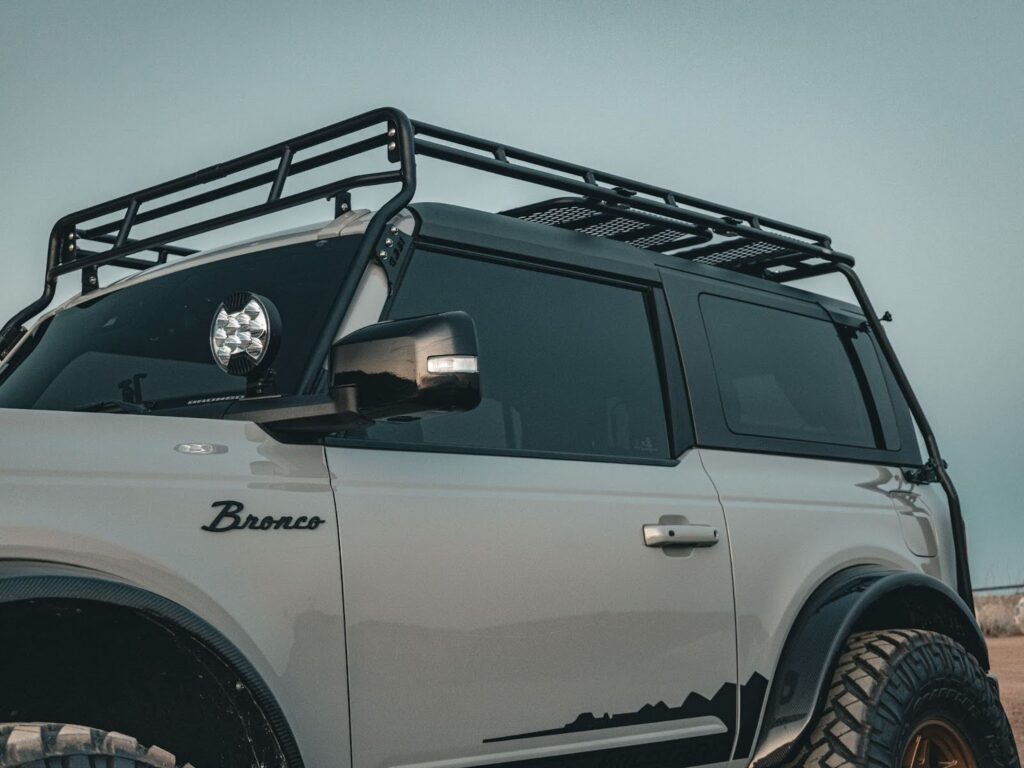
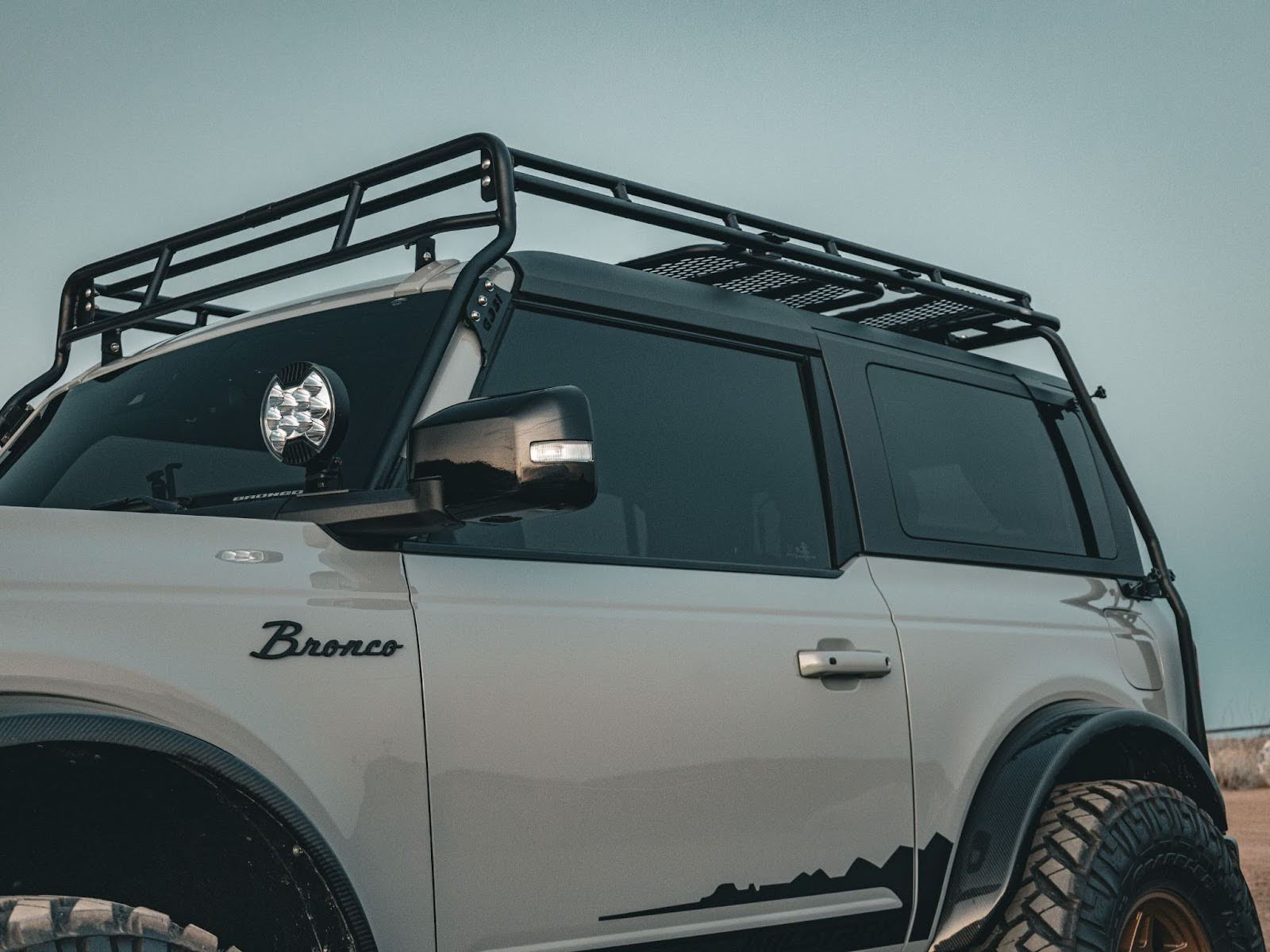
Are you interested in enhancing your car for your next rainforest trip? Check out GOBI Racks. They sell roof racks, ladders, gear bags, and other vehicle accessories to improve your car for any road trip adventure. Be sure to view the Stealth Rack, as this rack comes with two removable crossbars, has a no-drill mounting system, and can hold 300 pounds comfortably. Place your order today!