




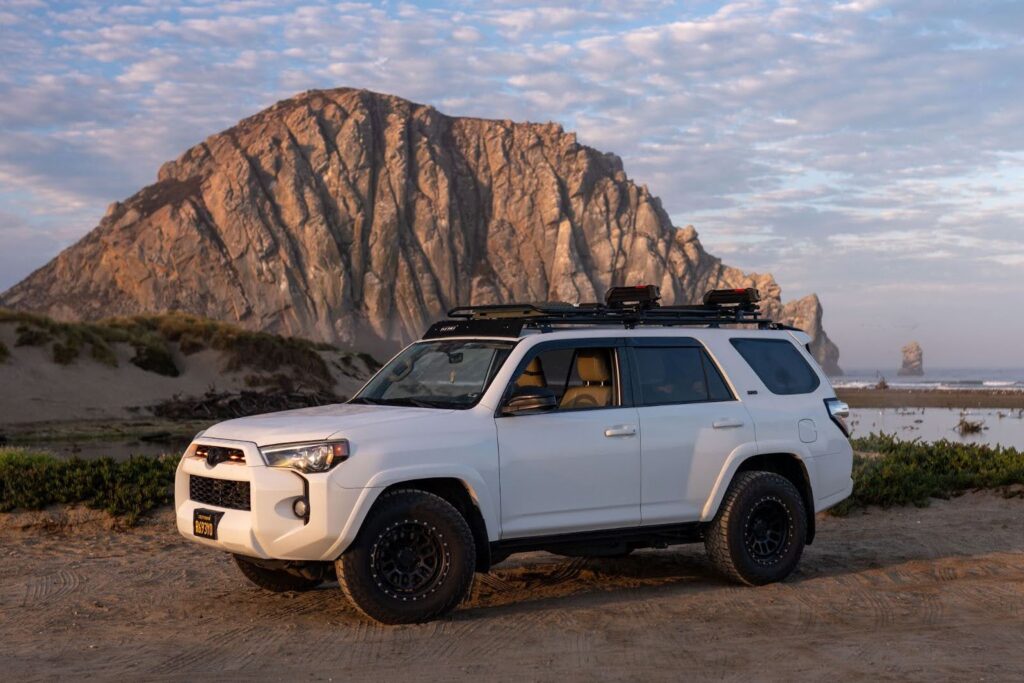
For adventure enthusiasts, kayaking offers an exhilarating way to explore nature and enjoy the great outdoors. However, transporting multiple kayaks can be a challenge, especially when it comes to finding the right roof rack system. With our help, you will have essential tips and insights for selecting and using multiple kayak roof racks, ensuring your next adventure is both enjoyable and hassle-free.
Understanding Roof Rack Types
Before diving into the specifics of transporting multiple kayaks, it’s crucial to understand the different types of roof racks available. Each type has its own advantages and disadvantages, depending on your vehicle, the number of kayaks, and your budget.
1. J-Cradles
J-cradles are a popular choice for transporting kayaks. They hold the kayak on its side, allowing for a more aerodynamic profile and reducing wind resistance. This design can help improve fuel efficiency during travel.
Additionally, J-cradles typically allow for easier loading and unloading, as they provide a stable base for the kayak. However, they may not be suitable for larger kayaks or for carrying more than two kayaks at a time. It’s also worth noting that some J-cradle models come with adjustable arms, which can accommodate different kayak widths and shapes, making them a versatile option for various kayak types.
2. Stackers
Stackers are an excellent option for transporting multiple kayaks. They allow you to stack kayaks on top of each other, maximizing the use of vertical space. This can be particularly beneficial for vehicles with limited roof space.
While stackers can accommodate several kayaks, they require careful loading and securing to prevent shifting during transit. It’s essential to use proper straps and padding to protect the kayaks from damage. Additionally, stackers often come with built-in tie-down points that help simplify the securing process, ensuring your kayaks remain stable and secure throughout your journey. This feature is especially useful for long road trips or when navigating bumpy terrain.
3. Saddle Racks
Saddle racks support the kayak’s hull and distribute weight evenly. This type of rack is ideal for longer trips, as it minimizes pressure points that could lead to deformation or damage.
While saddle racks can be more cumbersome to load compared to J-cradles or stackers, they provide excellent stability and security for your kayaks during transport. Many saddle racks also feature adjustable cradles that can be customized to fit different kayak shapes, ensuring a snug and secure fit. Furthermore, some models are designed to fold down when not in use, which can help improve the overall aerodynamics of your vehicle and reduce drag when you’re not transporting your kayaks.
Choosing the Right Roof Rack for Your Vehicle
Selecting the appropriate roof rack for your vehicle is crucial for safely transporting multiple kayaks. Factors such as vehicle type, roof size, and weight capacity must be considered.
1. Vehicle Compatibility
Before purchasing a roof rack, check the compatibility with your vehicle. Many manufacturers provide compatibility charts that detail which racks fit specific makes and models. Ensure the roof rack you choose is designed for your vehicle type, whether it’s a sedan, SUV, or truck.
Additionally, consider the roof configuration of your vehicle. Some vehicles come with factory-installed rails or crossbars, which can influence your choice of rack. If your vehicle lacks these features, you may need to opt for a more comprehensive system that includes crossbars. Understanding your vehicle’s design will help you make an informed decision and avoid unnecessary modifications.
2. Weight Capacity
Every roof rack has a weight limit, which is essential to adhere to for safety reasons. Calculate the total weight of the kayaks you plan to transport, including any additional gear. Ensure the combined weight does not exceed the rack’s capacity.
It’s also wise to consider the weight of the roof rack itself, as this will factor into the overall load your vehicle will carry. Furthermore, keep in mind that exceeding the weight limit can lead to dangerous driving conditions, such as decreased stability and increased stopping distances. It’s advisable to leave a buffer below the maximum weight limit to account for any unexpected shifts in load during transit.
3. Ease of Installation
Some roof racks are easier to install than others. Look for models that come with clear instructions and all necessary hardware. If you’re not comfortable with installation, consider seeking professional help to ensure a secure fit.
Moreover, think about how often you plan to remove and reinstall the roof rack. If you intend to use it frequently, opt for a model that allows for quick and easy installation. Some racks feature tool-free designs, making them convenient for users who may not have the right tools on hand. Additionally, consider the security features of the rack; some models come with locking mechanisms to deter theft, providing peace of mind when leaving your vehicle unattended.
Loading and Securing Multiple Kayaks
Once you have selected the right roof rack, the next step is to load and secure your kayaks properly. This is a critical process that can prevent accidents and damage during transport.
1. Preparing the Kayaks
Before loading, ensure the kayaks are clean and free of any debris. This helps prevent scratches and damage to both the kayaks and the vehicle. If possible, remove any accessories, such as paddles or fishing gear, to lighten the load.
Additionally, check the kayaks for any signs of wear or damage, such as cracks or leaks, especially if they have been used frequently. Performing a quick inspection will ensure the safety of your kayaks and enhance their longevity. If you find any issues, consider repairing them before your trip to avoid complications on the water.
2. Loading Techniques
When loading multiple kayaks, start with the heaviest kayak on the bottom and work your way up. This lowers the center of gravity and improves stability. Use a step stool or ladder if necessary to make the process easier.
For stackers, position the kayaks so that they are evenly spaced and aligned. Ensure the kayaks are facing the same direction to reduce wind resistance. It might also be helpful to use foam blocks or pool noodles between the kayaks to prevent them from scratching against each other during transit. This extra padding can significantly reduce the risk of damage and keep your kayaks looking pristine.
3. Securing the Kayaks
Use high-quality straps to secure the kayaks to the roof rack. Ratchet straps or cam straps are excellent choices, as they provide a tight hold without damaging the kayaks. Ensure the straps are tightened securely but not overly tight, which could cause deformation.
Additionally, consider using bow and stern lines to further secure the kayaks. These lines help prevent movement during transit and provide extra stability. When attaching these lines, make sure they are firmly connected to the vehicle’s frame or designated tie-down points to ensure maximum safety. It’s also wise to periodically check the straps and lines during long trips, especially if you encounter rough roads or high winds, to ensure everything remains secure and in place.
Safety Considerations
Safety should always be a top priority when transporting multiple kayaks. Taking the necessary precautions can help prevent accidents and ensure a smooth journey.
1. Regular Inspections
Before hitting the road, conduct a thorough inspection of the roof rack and kayaks. Check that all straps are secure and that the kayaks are properly positioned. Look for any signs of wear or damage on the roof rack itself. It’s also wise to inspect the kayaks for any leaks or cracks that could compromise their integrity during transport. A quick visual check can save you from potential mishaps on the road, so take your time and ensure everything is in top shape.
2. Driving Considerations
When driving with kayaks on the roof, be mindful of your speed and driving conditions. High winds or heavy rain can affect stability, so it’s best to drive at moderate speeds and avoid sudden maneuvers. Always be aware of your vehicle’s height clearance, especially when passing under bridges or through drive-thrus. Additionally, consider the weight distribution of your load; an uneven load can lead to swaying or even loss of control. If possible, practice driving with the kayaks on your roof in a safe, open area to get a feel for how they affect your vehicle’s handling.
3. Emergency Preparedness
In the event of an emergency, it’s essential to have a plan in place. Keep a first aid kit in your vehicle and ensure all passengers are aware of safety protocols. Additionally, familiarize yourself with the local laws regarding transporting kayaks, as regulations can vary by region. It’s beneficial to have a roadside assistance plan, as unexpected breakdowns can occur. Carrying a charged mobile phone and a portable charger can be a lifesaver in case you need to call for help. Moreover, consider having a basic toolkit on hand for any minor repairs that may need to be addressed during your journey.
Maintenance of Roof Racks
Proper maintenance of your roof rack is vital for its longevity and effectiveness. Regular care can prevent issues and ensure your rack remains in good condition.
1. Cleaning
After each use, clean the roof rack to remove dirt, salt, and debris. This is especially important if you have been kayaking in salt water, as salt can cause corrosion over time. Use mild soap and water, and avoid abrasive cleaners that could damage the rack’s finish. Additionally, consider using a soft brush to reach into crevices where dirt may accumulate. A thorough cleaning enhances the appearance of your roof rack and helps in identifying any early signs of wear that might need attention.
2. Inspecting for Damage
Regularly inspect your roof rack for signs of wear or damage. Look for cracks, rust, or loose hardware. Address any issues immediately to prevent further damage or safety hazards. It’s also wise to check the attachment points to ensure they are secure and functioning properly. Over time, the constant pressure and movement can loosen bolts or screws, which could compromise the safety of your load. Keeping a checklist for these inspections can help you stay organized and ensure nothing is overlooked.
3. Storage
When not in use, consider storing your roof rack in a dry, cool place. If possible, remove it from the vehicle to prevent exposure to the elements. This can help prolong its lifespan and maintain its functionality. If you choose to leave the rack on the vehicle, consider using a protective cover to shield it from UV rays and harsh weather conditions. Additionally, storing your roof rack in a designated area, such as a garage or shed, can prevent accidental damage and make it easier to access when needed. Proper storage protects the rack and keeps your vehicle looking neat and organized.
4. Lubrication
In addition to cleaning and inspecting, regular lubrication of moving parts is essential for smooth operation. Apply a silicone-based lubricant to sliding mechanisms and joints to prevent rust and ensure components move freely. This is particularly important for adjustable racks that may be frequently modified for different loads. A well-lubricated roof rack functions better and reduces wear and tear, ultimately extending its lifespan.
5. Seasonal Considerations
Seasonal changes can also impact the maintenance of your roof rack. In winter, for example, snow and ice can accumulate, adding extra weight and potentially causing damage. Make it a habit to check your roof rack more frequently during harsh weather conditions, and consider removing it if you anticipate heavy snowfall. Conversely, during the summer months, UV exposure can degrade materials, so applying a UV protectant can help maintain its integrity. Being proactive about these seasonal challenges will ensure your roof rack remains reliable year-round.
Tips for Transporting Different Kayak Types
Different types of kayaks may require specific considerations when it comes to transportation. Understanding these differences can help ensure a safe and efficient journey.

1. Recreational Kayaks
Recreational kayaks are typically shorter and lighter, making them easier to load and transport. When using a roof rack, it’s essential to secure them properly, as they can be more susceptible to wind damage. Using a J-cradle or saddle rack is often the best choice for these kayaks.
2. Touring Kayaks
Touring kayaks are longer and heavier, requiring careful loading techniques. When transporting these kayaks, it’s advisable to use stackers or saddle racks to provide adequate support. Ensure the kayaks are securely strapped down to prevent movement during transit.
3. Fishing Kayaks
Fishing kayaks often come with additional gear and accessories, which can add weight. When transporting these kayaks, consider removing any unnecessary items to lighten the load. Use a roof rack that can accommodate the extra weight and ensure all accessories are secured properly.
Exploring Alternative Transport Methods
While roof racks are a popular choice for transporting kayaks, there are alternative methods that may suit your needs better. Exploring these options can provide flexibility and convenience.
1. Trailer Systems
For those who frequently transport multiple kayaks, a trailer system can be a practical solution. Trailers can accommodate several kayaks, and they often come with built-in support systems to secure the kayaks during transport. This method can reduce wear and tear on your vehicle and make loading and unloading more manageable.
2. Hitch-Mounted Racks
Hitch-mounted racks are another alternative that can provide a stable platform for transporting kayaks. These racks attach to the vehicle’s hitch and can often carry multiple kayaks securely. They offer the advantage of easier loading and unloading, as you don’t have to lift the kayaks onto the roof.
3. Inflatable Kayaks
Inflatable kayaks are a lightweight and portable option for those who may not have the space for traditional kayaks. These kayaks can be deflated and stored compactly, making them easy to transport in the trunk of a vehicle. While they may not offer the same performance as hard-shell kayaks, they are an excellent choice for casual paddlers.
Conclusion
Transporting multiple kayaks requires careful planning and consideration. By understanding the different types of roof racks, selecting the right equipment for your vehicle, and following proper loading and securing techniques, adventure enthusiasts can ensure a safe and enjoyable experience. Whether you opt for traditional roof racks, trailers, or hitch-mounted systems, the key is to prioritize safety and efficiency. With the right preparation, every kayaking adventure can be a memorable one.
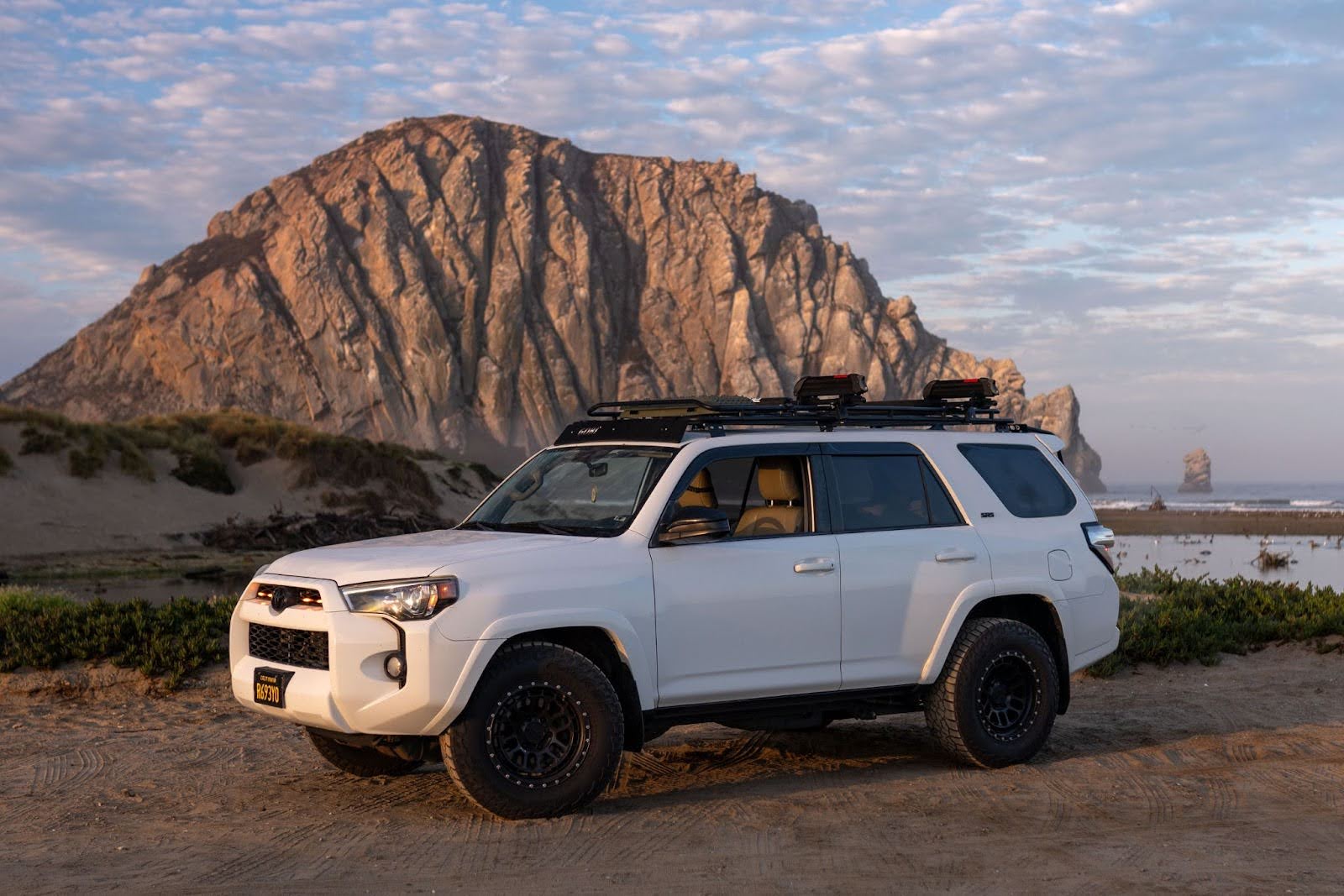
Are you looking for a reliable roof rack to transport your kayaks? Check out GOBI Racks. They sell roof racks for various car models and brands, so you can be sure there is a perfect fit every time. Remember to view the Ranger Rack, as this rack comes with two removable crossbars, has a no-drill mounting system, and can hold 300 pounds comfortably. Place your order today!